
Last updated September 24, 2026
Attic Insulation Maintenance Checklist for Torrance Homeowners
A 2019 California Energy Commission audit found that 38% of attics tested in coastal Southern California had settled or contaminated insulation that had lost more than 20% of their labeled R-value, and every one of those homeowners believed their attic was fine. In Torrance, the marine layer, coastal scrub wildlife interface, and decades of tract-home construction quirks create failure modes you won’t find in generic national checklists. This guide maps what to inspect, when to inspect it, and how to document what you find so you catch problems before your conditioned air escapes into the roof deck.
Quick Answer
Attic insulation maintenance in Torrance means inspecting twice yearly, in April after the marine-layer season and in October after peak heat, checking measured depth against your labeled R-value, sealing any new air leaks at top plates and HVAC penetrations, and documenting findings in a log kept at the attic hatch. Most Torrance homes built between 1960 and 1990 will show settling below spec and some degree of pest intrusion at the soffit-to-top-plate junction within ten years of installation.
Table of Contents
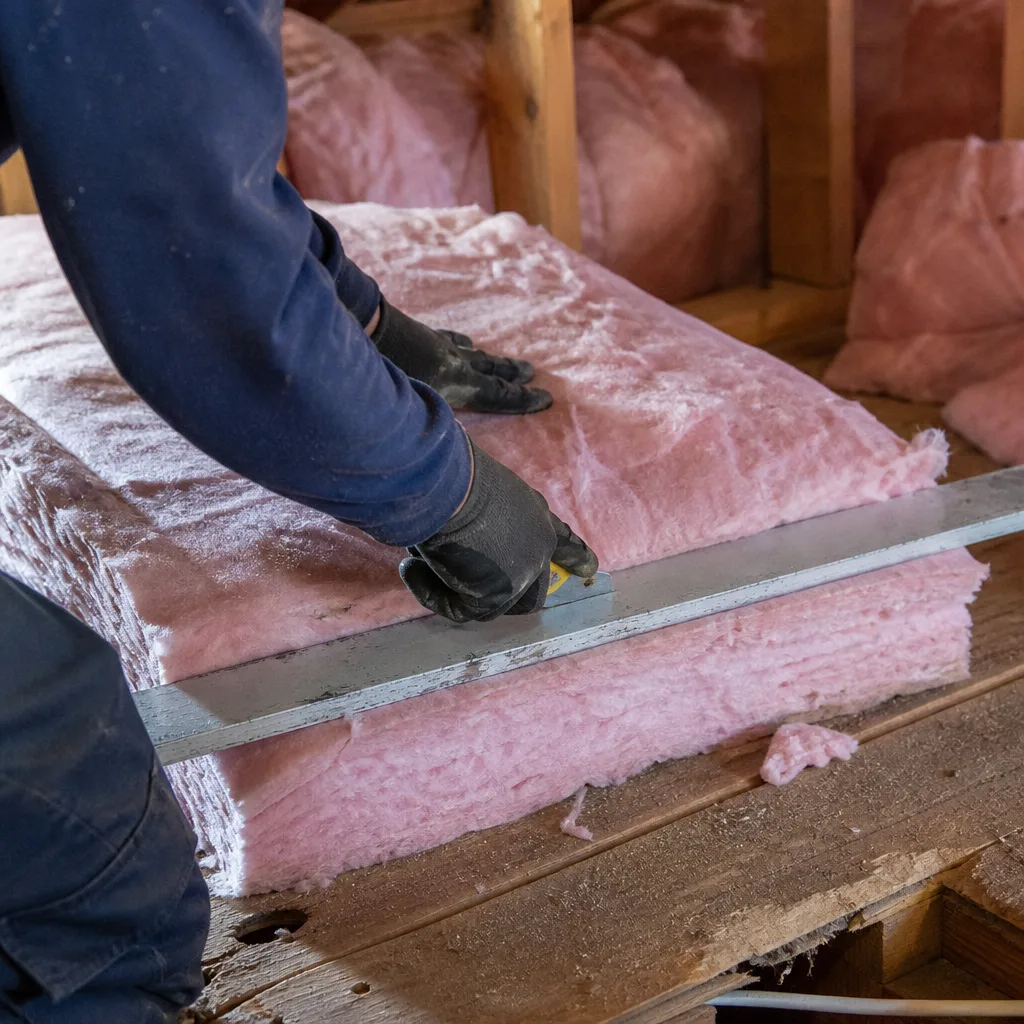
- Why Torrance Attics Need Twice-Yearly Inspections
- Spring Inspection Checklist: After the Marine Layer
- Fall Inspection Checklist: After Peak Heat
- Measuring Installed Depth and Verifying R-Value
- Identifying Pest-Entry Points in Torrance Homes
- Reading Condensation Damage: What the Stains Mean
- Building Your Attic Maintenance Log
- Common Mistakes to Avoid
- When to Call a Professional
- Frequently Asked Questions
Why Torrance Attics Need Twice-Yearly Inspections
Torrance sits in a narrow coastal band where the Pacific’s influence isn’t just moderate temperatures, it’s moisture delivered in a specific rhythm. The marine layer rolls in most nights from November through March, keeping attic sheathing damp for extended periods. Then July through September brings dry, sustained heat that drives attic temperatures above 140°F and accelerates the off-gassing and compression of fiberglass and cellulose alike. No single annual check catches both failure modes.
We’ve inspected attics in the Walteria tract, the South Torrance flatlands below Pacific Coast Highway, and the hillside homes above Anza Avenue. The pattern repeats: insulation that tested fine in a dry October inspection shows moisture staining and compressed depth by the following May. The reverse happens too, insulation that held depth through a wet spring can be thermally compromised by fall after months of heat cycling.
The building science term is hygrothermal cycling, and Torrance gets more of it than inland Los Angeles County. Your attic experiences more wet-dry and hot-cold swings in a year than a Palmdale or Riverside attic sees in two. That means materials fatigue faster, air leaks open wider as framing moves, and the small gaps that were sealed at installation become paths for conditioned air to escape.
Our recommendation, based on the 9,000+ homes we’ve sealed and insulated since 2016, is a structured inspection in April and October. April catches what the marine layer deposited. October catches what the summer heat degraded. Both are simple enough to do yourself with a flashlight, a ruler, and thirty minutes.
The payoff is measurable. A homeowner who maintains a log and catches settling early can add blown-in material at partial cost rather than facing full removal and replacement. More importantly, early detection of air leaks prevents the condensation damage that destroys rafters, rusts HVAC equipment, and invites the rodent infestations that make insulation removal mandatory.
Spring Inspection Checklist: After the Marine Layer
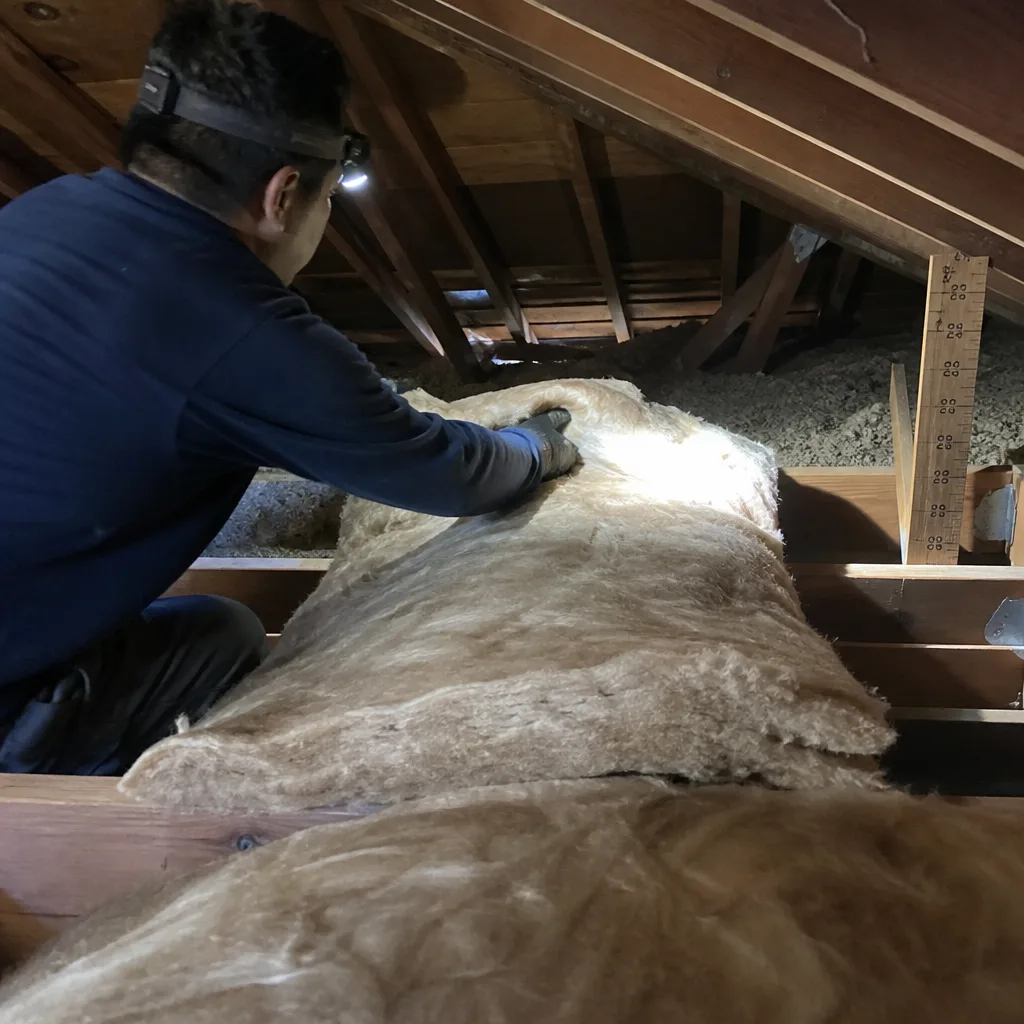
April in Torrance means the marine layer is thinning but has left its signature in attics across the city. This inspection focuses on moisture, pest activity from winter breeding, and whether your insulation recovered from compression or stayed flat.
- Check attic sheathing for new staining. Walk the attic floor or lay plywood across joists to distribute your weight. Look at the underside of roof sheathing with your flashlight at a low angle, which throws shadows on any raised grain or discoloration. New moisture staining in Torrance often appears as gray blotches on plywood, or white crystalline deposits on rafters, efflorescence from minerals left as water evaporates. Mark any new spots with chalk and photograph them for comparison.
- Inspect eave and ridge vents for blockage. Torrance’s coastal scrub produces fine debris, eucalyptus leaves from mature street trees, and pollen loads that clog vent screens. A blocked vent traps the marine-layer humidity that entered through other openings. Remove debris by hand, don’t blow it deeper into the attic with compressed air. Check that ridge vent foam baffles are still intact; we replace dozens per year in Torrance that squirrels have shredded for nesting material.
- Measure insulation depth at four corners and center. Use a yardstick or rigid ruler, not a tape measure that bends. Push vertically through the insulation until you hit drywall or the attic floor. Record each measurement. For fiberglass batts, also note whether the batts are lifted, wavy, or pressed flat. For loose-fill, check whether the material has bridged across joist bays or settled into the valleys between joists, a common pattern in Torrance where installers blew material to minimum depth without accounting for joist height.
- Examine HVAC boots and flex-duct connections. The metal collar where ductwork penetrates the ceiling is a primary condensation point in marine-air climates. Look for rust on strap hangers, water staining on the flex-duct insulation jacket, and any gaps where the boot meets drywall. In homes near Torrance Beach or the Madrona Marsh interface, we’ve seen boots corrode through in under five years from salt-air infiltration combined with condensation.
- Scan for pest evidence. Spring is when roof rats, the dominant pest in Torrance’s coastal scrub interface, have their first litters. Look for droppings, typically ½-inch capsules with blunt ends, concentrated near insulation disturbances. Check for tunneling paths, compressed trails where rodents have pushed through loose-fill. The soffit-to-top-plate junction, especially in 1960s-1980s construction, is their highway; we’ll detail this in the pest section below.
- Photograph everything and note the date. Your April entry in the maintenance log starts here.
Fall Inspection Checklist: After Peak Heat
October in Torrance follows the dry, hot months when attic temperatures peak and materials take their annual stress. This inspection focuses on thermal degradation, air-leak expansion, and whether your insulation still performs after summer’s expansion and contraction cycles.
- Re-measure depth at the same five points as April. Compare directly. Heat cycling causes fiberglass batts to slump and cellulose to compact. In our experience across Torrance, loose-fill fiberglass loses 10-15% of its installed depth in the first three summers if the attic wasn’t properly air-sealed first. A drop of more than one inch from your April measurement, or more than two inches from original installation depth, means you’ve lost meaningful R-value.
- Inspect recessed light housings. IC-rated cans, those approved for direct insulation contact, still create hot spots. Look for dark-edged insulation within six inches of each housing, a sign that air is moving past the fixture, carrying dust that deposits on the insulation surface. In Torrance’s dry summers, this darkening accelerates and can indicate a failed gasket or a housing that was never properly sealed to the drywall. Non-IC cans are worse; they require clearance boxes that are often improperly installed or missing entirely.
- Check for new daylight visible through the attic floor. Turn off your flashlight during the day and look down. Any pinprick of light is an air leak path. Common locations in Torrance’s tract homes: top plates where interior walls meet exterior walls, plumbing vent stacks, electrical wiring penetrations, and the gaps around chimney chases. New light in October that wasn’t there in April means framing or sealant has shifted in the heat.
- Evaluate ductwork condition after thermal stress. Flex-duct inner liners crack from repeated expansion and contraction. Look for sags where support straps have failed, kinks that restrict airflow, and any metallic tape that has peeled. The metal tape used in the 1990s and 2000s degrades in attic heat; modern acrylic adhesive tapes hold better but still need inspection. In Torrance, where many homes run air conditioning heavily through September, duct leaks in October mean you’ve been cooling your attic all summer.
- Assess insulation distribution after any summer work. If electricians, HVAC technicians, or pest control operators accessed your attic between inspections, they likely disturbed insulation. Look for thin spots, compacted paths, and material pushed aside and not replaced. We’ve found attics in the Old Torrance and Hollywood Riviera areas where multiple service visits over years created a maze of bare drywall with insulation piled against the eaves, effectively useless.
- Update your log and photograph the fall condition. This completes your annual cycle.
Measuring Installed Depth and Verifying R-Value
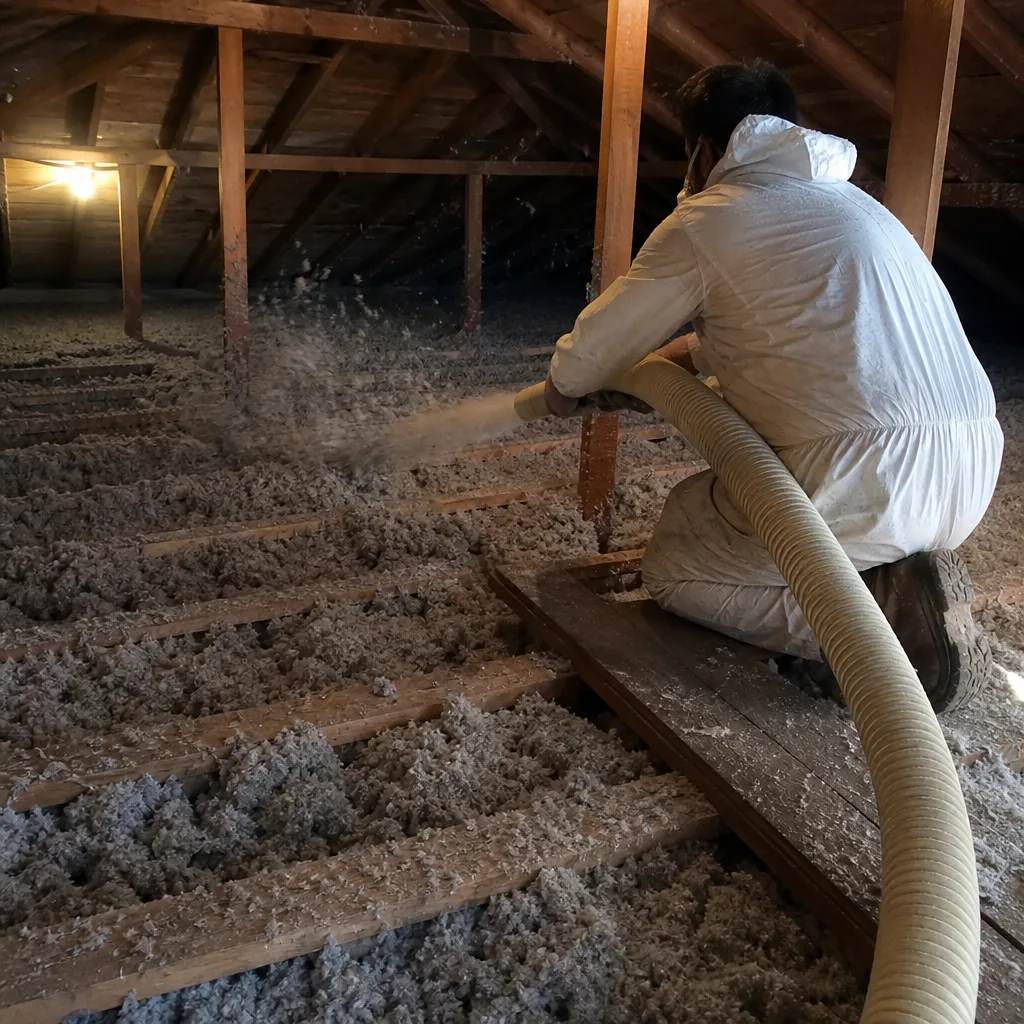
Most Torrance homeowners don’t know their attic’s labeled R-value, and fewer still know whether the installed material still achieves it. Here’s how to check without calling anyone.
First, identify your insulation type and its labeled R-value per inch. Fiberglass batts typically carry R-3.1 to R-3.7 per inch. Loose-fill fiberglass runs R-2.5 to R-3.0 per inch. Cellulose, including products like GreenFiber, delivers R-3.2 to R-3.8 per inch. Spray foam varies by density; open-cell runs about R-3.6 per inch, closed-cell about R-6.0. These figures are printed on product packaging and published by manufacturers like Owens Corning and Johns Manville.
Next, find your target total R-value. For Torrance, located in California Climate Zone 6, Title 24 currently requires R-38 minimum in attics for new construction and major renovations. Many homes built before 2005 were originally insulated to R-19 or R-30. If you’re maintaining existing insulation, your goal is to hold at least the original installed value, and ideally to reach R-38 if you’re adding material.
The measurement itself is simple but specific. Use a rigid ruler or yardstick, not a flexible tape. Measure at five points: each corner of the attic and the center. For loose-fill, push straight down until you feel resistance from the attic floor or drywall. For batts, measure to the top of the material, not the bottom of any facing. Record each measurement to the nearest quarter-inch.
Now compare to the NAIMA depth chart, published by the North American Insulation Manufacturers Association, which correlates installed depth to R-value for each product type. If your loose-fill fiberglass was blown to R-38 at 14 inches, and you now measure 11 inches, you’ve lost roughly R-8 of performance. That gap matters in Torrance’s climate, where summer cooling loads are significant and winter heating runs longer than most coastal Southern California cities due to the marine layer’s chill.
Photograph your ruler at each measurement point, with the depth clearly visible. This documentation becomes evidence if you later hire a contractor to add material, and it’s valuable at resale when buyers’ inspectors question insulation condition.
One Torrance-specific note: homes in the hillside areas above Anza and Calle Mayor often have irregular attic geometries with kneewalls and dormers. Depth varies dramatically in these spaces. Measure at the flat ceiling areas and note where slopes begin; the NAIMA chart applies to flat attic floors, not angled surfaces where insulation may slide or compress against framing.
Identifying Pest-Entry Points in Torrance Homes
Torrance’s location between the Pacific and the Palos Verdes Hills puts most residential neighborhoods in direct contact with coastal scrub habitat. Roof rats, the dominant attic pest, don’t need much space to enter, and the construction methods common in Torrance’s 1960s-1980s building boom created perfect corridors.
The soffit-to-top-plate junction is the critical checkpoint. In tract homes throughout Walteria, South Torrance, and the central flatlands, builders often ran the exterior wall top plate directly to the soffit without continuous blocking. The resulting gap, sometimes just ½ inch but often wider where framing has settled, lets rats move from exterior soffit vents into the attic space. From there they tunnel through insulation, compressing it, contaminating it with urine and feces, and creating the compressed trails that are visible from across the attic.
Here’s what to look for:
- Compressed insulation paths: Roof rats establish runways, typically along joists or against vertical framing. The insulation looks groomed, pressed to half its normal depth in a narrow band. Follow these paths; they lead to entry points.
- Droppings concentrated near edges: Rat droppings in Torrance attics cluster near entry points and along runways, not randomly distributed. Fresh droppings are dark and moist; old ones gray and crumbly. If you find fresh droppings in April, breeding activity is active.
- Chewed wires or ductwork: Rodents gnaw constantly to wear down incisors. Check flex-duct inner liners for punctures, which appear as ragged-edged holes rather than the clean cuts of mechanical damage. Exposed wiring with insulation stripped back is a fire hazard and indicates established infestation.
- Nesting material in eaves: Lift the insulation at eave edges carefully. Rats often nest in the insulation itself, creating bowl-shaped depressions lined with shredded material. In Torrance, we’ve found nests built from palm fiber, eucalyptus bark, and shredded Owens Corning fiberglass alike.
- Daylight at the soffit-to-top-plate junction: From inside the attic, look along the exterior wall where the top plate meets the roof framing. Any visible gap is a potential entry. In some Walteria tract homes, we’ve found gaps running entire wall lengths, originally covered by insulation that has since settled or been disturbed.
Sealing these entry points requires metal flashing or hardware cloth, not spray foam or caulk, which rats chew through. The sealing must happen before any insulation work; blowing new material over unsealed entry points simply buries the problem for later discovery. This is why our crews at Topside Attic Insulation Torrance complete air sealing and pest exclusion before adding any insulation material.
Reading Condensation Damage: What the Stains Mean
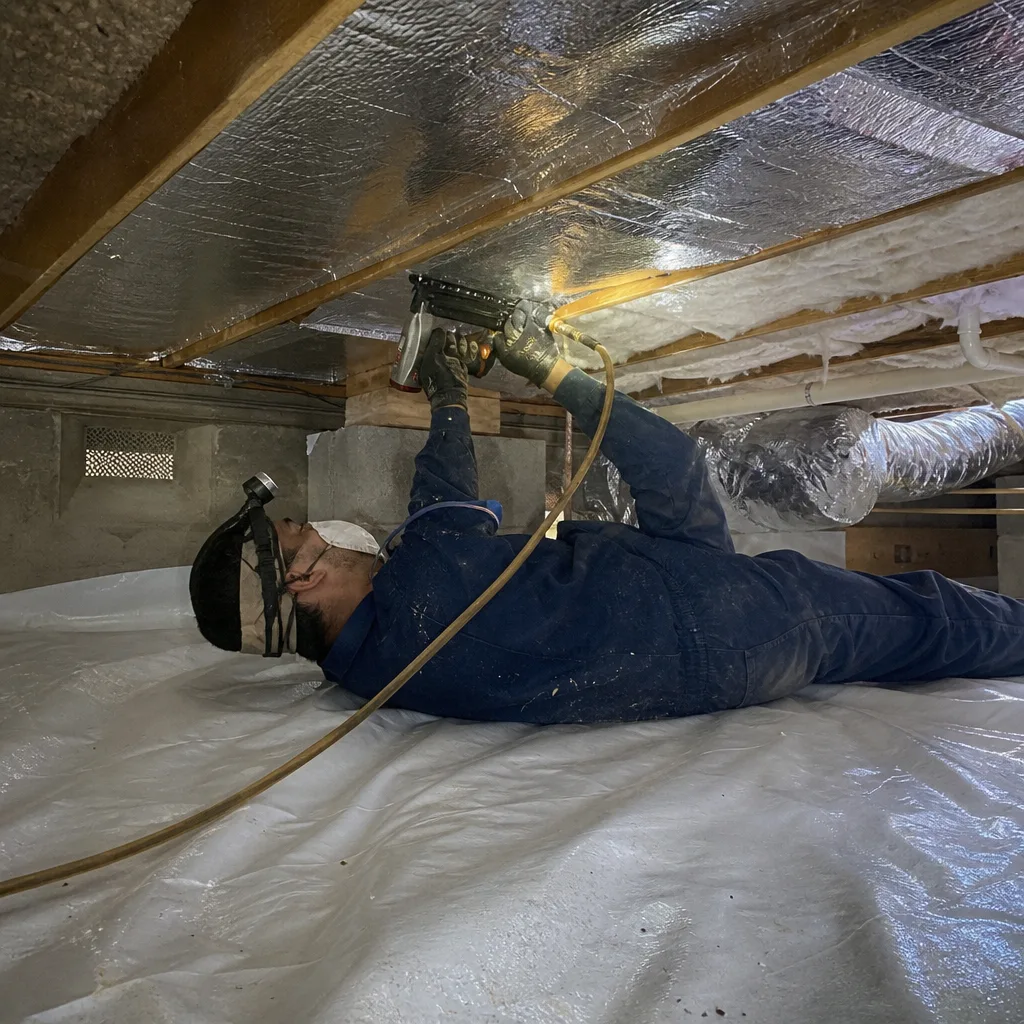
Torrance’s marine layer delivers more than fog. It delivers moisture that finds every air leak in your attic floor and condenses on cold surfaces. The stains left behind tell you where the leak is and how severe it’s become.
Rust staining on HVAC strap hangers: Metal strap hangers support flex-duct from rafters or trusses. When warm, moist attic air contacts the cold metal during marine-layer nights, condensation forms and runs down the strap. The rust streaks on the strap itself and on insulation below indicate a persistent leak path, typically at the duct boot or a nearby top plate. In Torrance homes near the beach, salt air accelerates this corrosion; we’ve replaced hangers that failed structurally from rust in under four years.
Dark-edged insulation around recessed lights: The dark ring forms where conditioned air leaks past the fixture housing, carrying dust and lint that filters out at the insulation surface. The darkness is a deposit, not moisture damage itself, but it marks exactly where air is moving. In IC-rated housings, the darkening often means the gasket between housing and drywall has failed. In non-IC housings, it means the required clearance box is leaking or missing. Either way, you’re losing conditioned air and creating a path for moisture.
Efflorescence near eave vents: White or gray crystalline deposits on rafters or sheathing near eave vents indicate moisture moving through the wood and leaving mineral salts behind. In Torrance, this pattern typically appears on north-facing eaves where marine-layer air lingers longest. It means your ventilation is inadequate for the moisture load, or that air is entering through the vent and condensing on cold sheathing rather than flowing through properly.
Black spotting on sheathing: Small, scattered black dots on plywood or OSB sheathing are often mold colonies. They don’t necessarily mean catastrophic moisture, but they mean conditions are right for growth. In Torrance’s climate, north-facing roof planes and areas above bathrooms with vent fans that terminate in the attic, still common in pre-1990 construction, are the usual locations. Mold on sheathing is a signal to check bathroom vent routing and increase ventilation before the colonies expand.
Each of these signs traces back to an air leak. The conditioned air you paid to heat or cool is escaping through a gap, and the moisture it carries is depositing where it meets a cold surface. Fixing the insulation without sealing the leak is temporary; the staining will return. This is the core of our sealed-first approach, air sealing at top plates, can lights, and penetrations is completed before any insulation is added, so the moisture source is eliminated.
Building Your Attic Maintenance Log
A maintenance log turns your inspections into a documented record that matters at resale, supports warranty claims, and lets you spot trends before they become failures. Keep it simple, keep it at the attic hatch, and keep it current.
We recommend a printed sheet in a sheet protector, taped inside the attic hatch or on the access frame. A waterproof notebook works too. The format:
| Date | Depth (5 points) | Pest Evidence | Moisture/Stains | HVAC Duct Notes | Action Taken |
|---|---|---|---|---|---|
| 4/15/2025 | 12, 11.5, 12, 11, 11.75 | None | New gray spot, NE corner sheathing | Rust on hanger above master bath | Photographed, marked with chalk |
| 10/12/2025 | 11.5, 11, 11.5, 10.5, 11.25 | Droppings, soffit junction west wall | Gray spot unchanged | Rust progressed; boot gap visible | Scheduled sealing and insulation add |
The depth measurements are the core metric. A steady decline of more than one inch between inspections means settling or compression. A sudden drop at one point means disturbance, pest activity, or a service visit that wasn’t followed by restoration.
Pest evidence should be specific: location, quantity estimate, fresh or old. “Droppings, ~20, fresh, west soffit junction” is useful. “Saw some rat stuff” is not.
Moisture and stain notes should reference your previous markings. “Gray spot NE corner, unchanged since April” tells you the moisture source was seasonal, not ongoing. “New white efflorescence, ridge vent” tells you ventilation needs attention.
HVAC duct notes track the condition of your most expensive attic equipment. Rust progression, tape failure, or new gaps are all actionable before they become duct replacement.
For Torrance homeowners, this log has specific value. When you sell, California’s Residential Energy Disclosure requires information on insulation and HVAC condition. A five-year maintenance log with depth measurements and photographs demonstrates due diligence and can preempt buyer inspection objections. We’ve had clients in the Southwood and West Torrance areas use their logs to justify asking prices and avoid credits at closing.
The log also supports our 365-Day Done Right Promise. If we perform work and you document a subsequent issue in your log, the dated record establishes timeline and scope for any warranty claim. Under Haven Standard: Have it in writing, your log is part of that written record.
Common Mistakes to Avoid
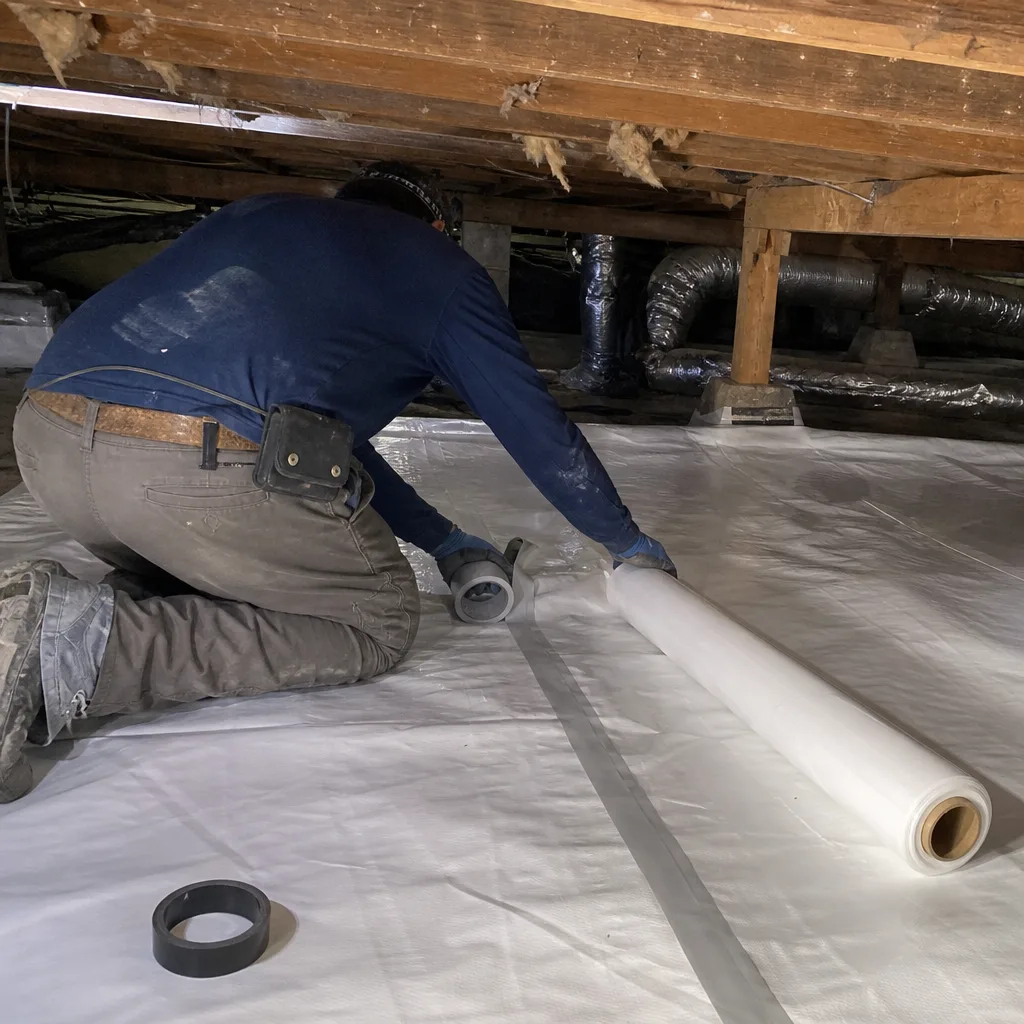
- Adding insulation over unsealed air leaks. This is the most common error we correct in Torrance. Homeowners or contractors blow new material over gaps at top plates and can lights, burying the problem. The insulation performs poorly because air still moves through it, and moisture still condenses on cold surfaces. Seal first, then insulate. Always.
- Using a tape measure instead of a rigid ruler. A flexible tape bends at the insulation surface, giving a false depth reading that overstates your R-value. Use a yardstick or rigid ruler, push straight down to the attic floor, and read the depth at the material surface.
- Ignoring the soffit-to-top-plate junction. In Torrance’s 1960s-1980s tracts, this gap is nearly universal and nearly always unsealed. It’s the primary pest highway and a major air leak. Checking it requires looking along the exterior wall top plate from inside the attic, a step many homeowners skip because it’s awkward to access.
- Inspecting only in daylight with the flashlight off. You need both conditions. Daylight with flashlight off reveals air leaks as pinpricks of light. Flashlight on reveals moisture staining, pest evidence, and insulation condition. Do both, every time.
- Assuming original installation depth equals current R-value. Insulation settles. Fiberglass batts slump. Cellulose compacts. Loose-fill bridges over joists and settles into valleys. Measure what you have, don’t assume what was installed.
- Neglecting to photograph. Memory is unreliable, and “it looked fine last year” won’t help at resale or in a warranty discussion. Photograph your ruler at each measurement point, any stains or damage, and the overall attic condition. Date every image.
- Waiting for energy bills to spike before inspecting. By the time your bills show a problem, insulation has been compromised for months or years. The 38% failure rate from the CEC audit wasn’t visible on utility bills until it was severe. Inspect on schedule, not on symptoms.
When to Call a Professional
Some conditions exceed homeowner maintenance and need trained assessment. Call a professional if you find: active pest infestation with fresh droppings and tunneling; moisture staining that has progressed to sheathing softening or mold growth beyond small spots; insulation depth more than two inches below labeled specification; any electrical wiring with damaged insulation; or HVAC ductwork with separated joints or corroded boots. These involve safety hazards, specialized equipment, or building-code compliance that DIY doesn’t address.
Topside Attic Insulation Torrance offers free estimates in Torrance. We’ll inspect your attic, measure with calibrated tools, perform a blower-door test on applicable jobs, a pressurization reading that shows, in one number, how much air your building envelope is losing, and provide a written price before any work starts. Call (424) 704-9866 to schedule.
Frequently Asked Questions
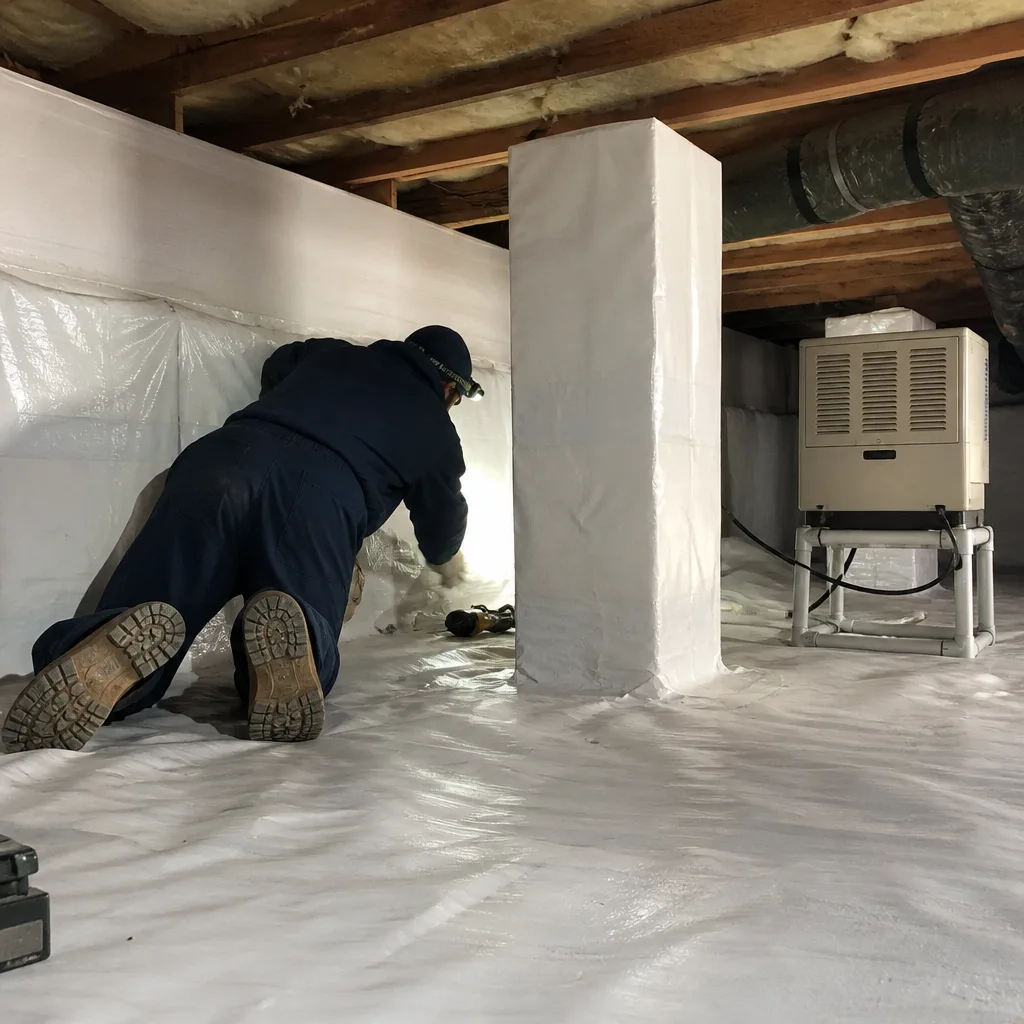
Twice yearly: once in April after the marine-layer season ends, and once in October after peak summer heat. Torrance’s hygrothermal cycling, wet winters and hot, dry summers, creates two distinct failure modes that a single annual inspection will miss. Call (424) 704-9866 if your spring or fall inspection reveals depth loss, moisture, or pest activity.
Current California Title 24 standards require R-38 minimum for attic insulation in new construction and major renovations in Climate Zone 6, which includes Torrance. Many existing homes were built to R-19 or R-30. If you’re maintaining existing insulation, hold at least the original installed value; if you’re adding material, target R-38. We can measure your current performance and specify the exact depth needed with your product type.
Turn off your flashlight during daylight and look at the attic floor from inside. Any visible pinprick of light is an air leak path. Also check for dark-edged insulation around recessed lights, rust on HVAC strap hangers, and efflorescence on rafters. These are all signatures of conditioned air escaping through gaps. A blower-door test quantifies the total leakage in CFM50, cubic feet per minute at 50 Pascals of pressure, and identifies which leaks matter most.
Sometimes, but only after inspection. If existing insulation is dry, uncontaminated, and the attic floor is properly air-sealed, adding blown-in fiberglass or cellulose over the top is standard practice. If there’s pest contamination, moisture damage, or significant settling with compaction, removal and replacement is the correct approach. We assess each attic individually and document our recommendation with photographs before quoting any work.
Most attic insulation jobs in a Torrance home of 1,200 to 2,000 square feet run between $1,800 and $4,200, depending on current insulation condition, accessibility, and whether air sealing is needed first. Homes requiring full removal and replacement due to contamination or moisture damage typically range higher. We provide a written price before any work starts, always, with no obligation. Call (424) 704-9866 for an exact quote on your specific attic.
Properly installed and maintained fiberglass or cellulose insulation should perform for 20 to 30 years, but Torrance’s climate accelerates degradation. Marine-layer moisture causes settling and, in unsealed attics, can lead to mold that requires removal. Summer heat cycling causes compression and, in some cases, binder breakdown in fiberglass. The key variable is air sealing. Insulation in a properly sealed attic, with controlled ventilation, lasts significantly longer than insulation in a leaky attic where moisture and air movement stress the material continuously.
The Bottom Line
Attic insulation maintenance in Torrance isn’t a single annual task, it’s a twice-yearly practice keyed to the city’s specific climate rhythm. Inspect in April for moisture and pest activity after the marine layer, and in October for thermal degradation after peak heat. Measure depth with a rigid ruler, photograph everything, and keep a dated log at the attic hatch. Watch for the failure modes this city produces: pest entry at the soffit-to-top-plate junction, condensation on HVAC boots from marine air, and settling that hides in the valleys between joists. Seal air leaks before adding insulation. Document your work. The homeowners who catch problems early avoid the full removals and replacements that come from years of undetected damage. For additional help, explore our more guides & resources.
Written by Wes Okafor, Owner at Topside Attic Insulation Torrance, serving Torrance since 2016.