
Last updated September 24, 2026
The Complete Guide to Insulation in Torrance
The average Torrance attic hits 130°F in August and drops to 58°F on a January night. That 72-degree swing isn’t just uncomfortable; it’s expensive. Most homeowners we meet in the South Bay assume insulation is about thickness, about stacking R-value until the utility bill shrinks. What they learn after we run a blower-door test - a pressurization reading that shows, in one number, how much conditioned air their building envelope is losing - is that unsealed air pathways can negate even the thickest fiberglass batt. In this guide, you’ll learn why Torrance’s coastal marine layer demands a different approach than inland California specs, how to read a blower-door report, what documentation to demand at job completion, and why material selection here isn’t the same as in Riverside or San Bernardino. For more guides & resources on South Bay home performance, see our blog.
Quick Answer
Insulation in Torrance works best when air sealing precedes any material installation, when vapor retarder placement accounts for marine-layer humidity averaging 75-80% RH at night, and when the finished job includes a pre- and post-blower-door report proving the envelope was tightened, not just padded. Most Torrance homes built between 1950 and 1990 need both: sealing at top plates, can lights, and duct penetrations, plus insulation matched to the specific microclimate of their ZIP code.
Table of Contents
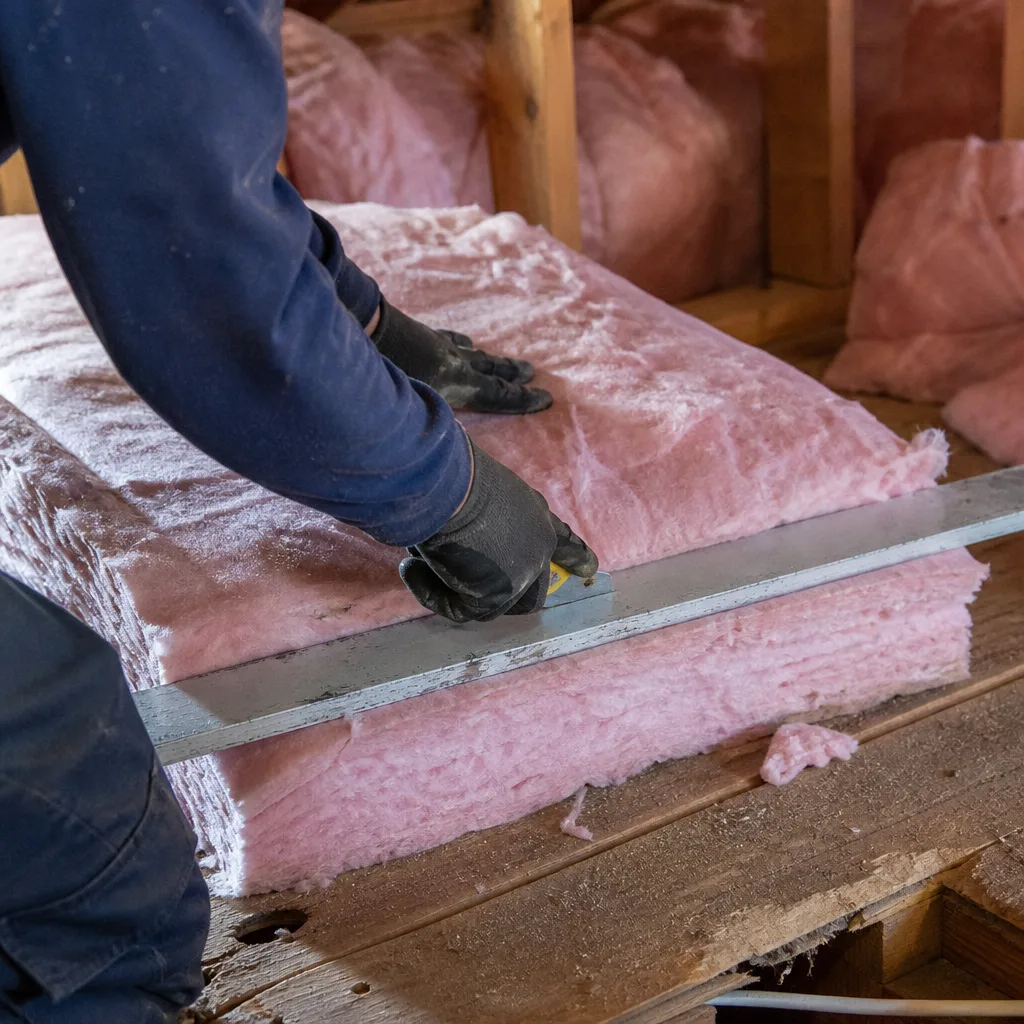
- Why Torrance’s Coastal Climate Changes the Insulation Equation
- Air Sealing First, Insulation Second: The Sequence That Actually Works
- Torrance Material Selection: Blown Cellulose, Spray Foam, and Mineral Wool
- Title 24 Compliance vs. Actual Performance: What the Code Doesn’t Tell You
- Vapor Retarders in South Bay Wall Assemblies: Where They Belong
- What Documentation to Hold When the Crew Leaves
- What Insulation Costs in Torrance: Real Price Ranges
- Common Mistakes to Avoid
- When to Call a Professional
- Frequently Asked Questions
- The Bottom Line
Why Torrance’s Coastal Climate Changes the Insulation Equation
Torrance sits in a narrow coastal band where the marine layer rolls in most nights between May and October, pushing relative humidity to 75-80% even when daytime temperatures stay mild. This isn’t the dry heat of the Inland Empire or the Central Valley. Moisture moves differently here, and insulation that performs adequately in drier climates can fail silently in Torrance.
The South Bay’s temperature swings create a pumping action. Your attic heats to 130°F on an August afternoon, then cools rapidly after sunset when the marine layer pushes inland. That thermal contraction pulls humid outside air through every gap in the ceiling plane. Without air sealing, you’re not just losing conditioned air; you’re importing moisture into the attic space. We’ve opened attics in the Old Torrance neighborhood where fiberglass batts were visibly darkened from years of this cycle, the moisture trapped against the drywall by a vapor retarder installed on the wrong side of the assembly.
Salt-air exposure adds another variable in coastal ZIP codes like 90505 and parts of 90503. Metal components in older recessed light housings corrode faster here. Ductwork in vented attics degrades at the seams. Any insulation strategy that doesn’t account for this environment is borrowing trouble.
The key distinction for Torrance homeowners: conductive heat gain, which R-value addresses, versus convective heat gain, which only air sealing stops. A wall or attic with high R-value but unsealed penetrations behaves like a windbreaker with the zipper stuck open. The R-value measures the fabric; the air leakage measures the zipper. In Torrance’s climate, both matter, but the sequence matters more.
Neighborhoods like Hollywood Riviera and the hills above Palos Verdes Boulevard see slightly different patterns than the flats near Crenshaw Boulevard. Elevation changes wind exposure. Proximity to the beach changes salt load and humidity persistence. A competent assessment accounts for these microclimates, not just the city name on the permit.
Air Sealing First, Insulation Second: The Sequence That Actually Works
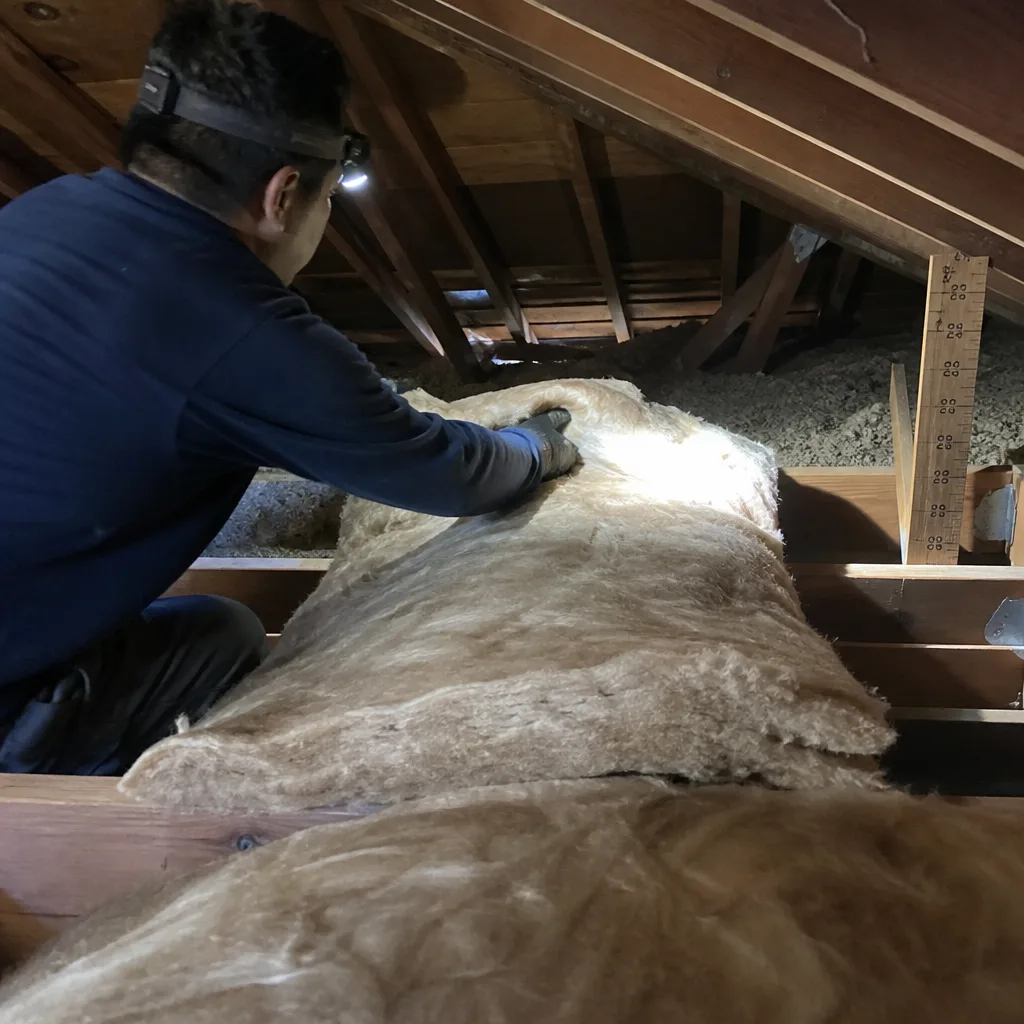
We won’t blow insulation over an unsealed attic floor. That’s not a preference; it’s a protocol. In Torrance, where the marine layer provides a nightly moisture charge, burying air leaks under new material traps humidity pathways and creates conditions for mold growth that won’t become visible for two or three years.
Here’s what air sealing actually addresses in a typical Torrance home:
- Top plates - the horizontal framing member where interior walls meet the ceiling. In homes built before 1990, these are rarely sealed and can account for 15-20% of total attic air leakage.
- Recessed can lights - especially non-IC-rated fixtures from the 1970s and 1980s, which create both a thermal bypass and a fire hazard when covered with insulation.
- Duct penetrations - supply and return boots that pass through the ceiling plane, often with gaps of 1/4 inch or more around the metal.
- Plumbing and electrical penetrations - every pipe and wire that crosses the envelope is a potential air pathway.
- Chimney chases and framing gaps - balloon framing and dropped soffits create hidden channels for stack-effect airflow.
The blower-door test quantifies what sealing achieves. A typical Torrance home from the 1960s or 1970s might read 4,200 CFM50 before work begins. After comprehensive air sealing - before any new insulation goes in - that number often drops to 2,800-3,200 CFM50. The insulation then addresses conductive loss through the reduced but still-present thermal envelope. Reversing the sequence, insulating first and sealing later, means the insulation gets disturbed, compressed, or contaminated during the sealing work.
Under Haven Standard Clause 1, every job begins with a written price that includes both phases: air sealing and insulation installation, with the sequencing explicit. No work starts without this document. The homeowner knows what they’re paying for and in what order. For a deeper look at budgeting, see our Insulation Cost Breakdown: The Torrance Homeowner’s Reference for 2026.
Torrance Material Selection: Blown Cellulose, Spray Foam, and Mineral Wool
Material selection in Torrance isn’t about picking the highest R-value per inch. It’s about matching the material’s moisture behavior, fire resistance, and air-sealing contribution to the specific conditions of the South Bay.
Blown Cellulose
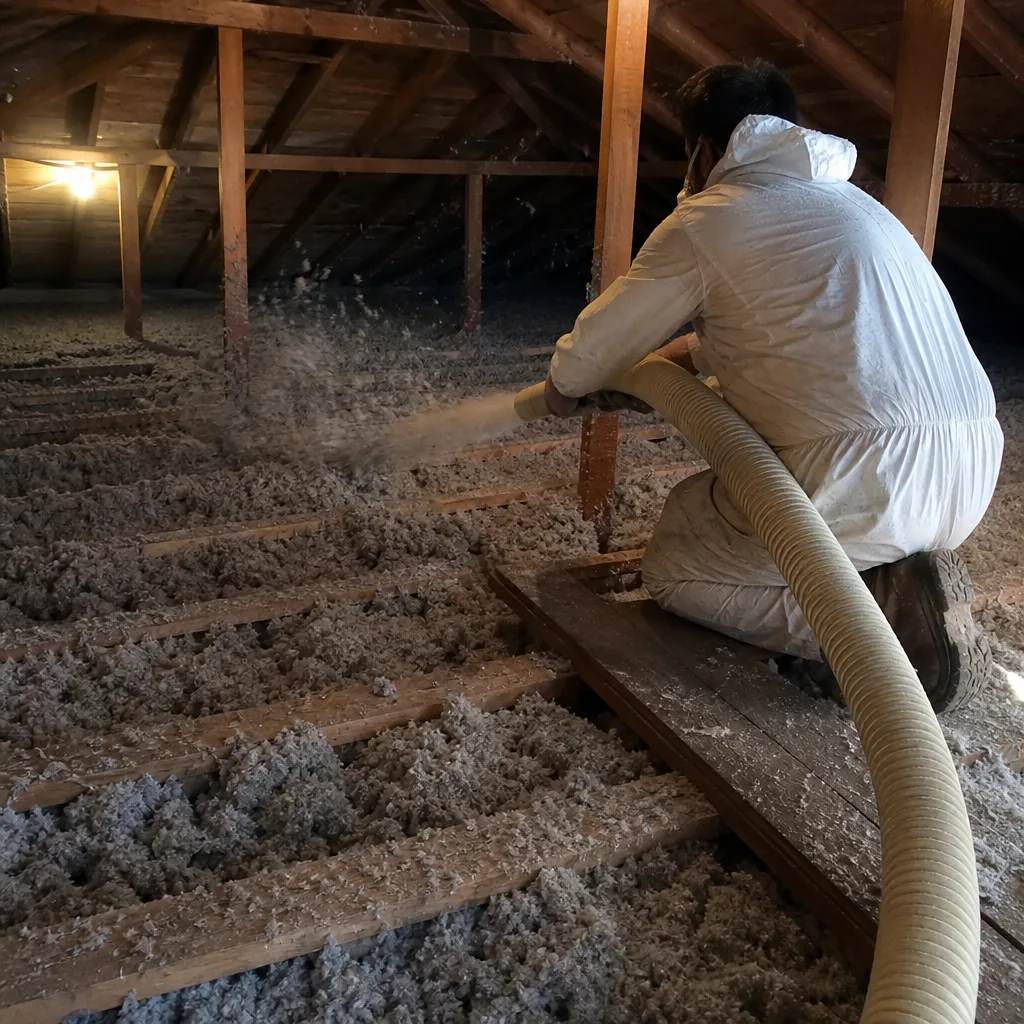
Cellulose, treated with borate for fire and pest resistance, performs well in Torrance’s climate when the attic is properly sealed first. It has a moderate R-value of about 3.2-3.8 per inch, but its real advantage is density: at proper depth, it restricts air movement better than loose fiberglass. Brands like GreenFiber manufacture cellulose with consistent borate treatment. In Torrance, we specify cellulose for vented attics where the homeowner wants a cost-effective solution and where the air sealing work has already tightened the envelope significantly. The material handles moderate humidity cycles well, though it should never be installed against an unsealed ceiling plane in this climate.
Open-Cell Spray Foam
Open-cell spray foam, with R-values around 3.5-3.7 per inch, is vapor-permeable. This matters in Torrance. When humid marine air reaches the back of a foam layer, it can diffuse through open-cell material rather than condensing against an impermeable barrier. Products from Icynene and Demilec fall in this category. We use open-cell in cathedral ceilings and conditioned attics where some vapor permeability is desirable and where the assembly is designed to dry toward the interior. It’s not the right choice for every application, but in specific Torrance assemblies - especially where the roof deck itself needs insulation in a retrofit - it solves problems that batts cannot.
Closed-Cell Spray Foam
Closed-cell foam, at R-6 to R-7 per inch, is vapor-impermeable. This creates risk in Torrance if misapplied. In a vented attic, closed-cell against the roof deck traps moisture and can cause sheathing decay. In walls, it can create an impermeable barrier on the wrong side of the assembly. We use it selectively: crawl space rim joists, for instance, where ground moisture and exterior humidity converge. The key is knowing where vapor needs to move and where it needs to stop.
Rigid Mineral Wool
Mineral wool boards, such as those from Owens Corning, offer R-4 per inch, fire resistance to 2,150°F, and dimensional stability in humid conditions. In Torrance, we specify mineral wool for specific applications: exterior insulation beneath siding in retrofit projects, or as a thermal break in basement and crawl space applications where fire rating is required. Its hydrophobic properties - it doesn’t absorb water - make it suitable for areas with intermittent moisture exposure.
Material Selection Summary
| Material | Best Torrance Application | Key Consideration |
|---|---|---|
| Blown cellulose | Vented attics, sealed first | Requires air sealing prerequisite; cost-effective |
| Open-cell spray foam | Cathedral ceilings, conditioned attics | Vapor-permeable; allows drying |
| Closed-cell spray foam | Crawl space rim joists, select walls | Vapor-impermeable; use with care in humid climate |
| Rigid mineral wool | Exterior retrofits, fire-rated assemblies | Hydrophobic; stable in humidity |
No material is universally correct. The right choice depends on the specific assembly, the moisture drive direction, and whether the attic or wall is vented, conditioned, or hybrid.
Title 24 Compliance vs. Actual Performance: What the Code Doesn’t Tell You
California’s Title 24 Building Energy Efficiency Standards set minimum R-values for insulation in new construction and major alterations. In Torrance’s climate zone, attic insulation must meet specific thresholds. But compliance and performance are different measurements.
Title 24 specifies R-value installed. It does not, in most residential applications, mandate air sealing verification. A home can pass Title 24 compliance with R-38 batts laid over an unsealed attic floor and still leak conditioned air at rates that make the R-value largely ornamental. We’ve tested homes in Torrance that met code on paper but showed blower-door readings above 5,000 CFM50 - meaning they were exchanging their entire indoor air volume with outside air every few minutes under pressure.
What actual performance looks like in Torrance:
- Pre-work blower-door test - establishes baseline CFM50 and identifies leakage points with infrared imaging during the depressurization.
- Air sealing completion - top plates, penetrations, can lights, duct boots, and framing gaps sealed with appropriate materials (caulk, foam, rigid blocking).
- Mid-process blower-door test - verifies sealing effectiveness before insulation covers the work.
- Insulation installation to specified depth - with depth markers and photo documentation.
- Post-work blower-door test - documents the final envelope tightness.
A typical Torrance attic job might move from 4,200 CFM50 to 2,100 CFM50 - a 50% reduction in air leakage. The Title 24 CF2R compliance certificate shows R-value compliance. The blower-door report shows actual performance change. Both documents matter, but only one proves the envelope was tightened.
Under Haven Standard, we provide both. The written scope specifies the target blower-door reduction. The finished job includes the before-and-after readings. Homeowners in neighborhoods like Walteria and Southwood Riviera who’ve received this documentation tell us it’s the first time they’ve seen proof of what they paid for.
Vapor Retarders in South Bay Wall Assemblies: Where They Belong
Vapor retarder placement is the most commonly botched detail we see in Torrance retrofits. The old rule - “put the vapor barrier on the warm side” - was written for heating-dominated climates. Torrance is mixed: heating in winter, cooling in summer, with humid marine air available year-round.
In a South Bay wall assembly, the vapor retarder belongs based on the specific assembly type and the direction of seasonal moisture drive:
- Vented attics with ceiling insulation - no interior vapor retarder needed if the attic is properly vented and the ceiling plane is air-sealed. The ventilation handles moisture, and an interior poly sheet traps humidity from interior sources.
- Cathedral ceilings with insulation at the roofline - vapor-permeable assembly preferred, with careful attention to airtightness. Interior vapor retarder paint or smart membrane, not polyethylene.
- Exterior walls with cavity insulation - kraft-faced batts or vapor-retarder paint on the interior, with continuous exterior air barrier. Never polyethylene in a mixed-humidity climate zone.
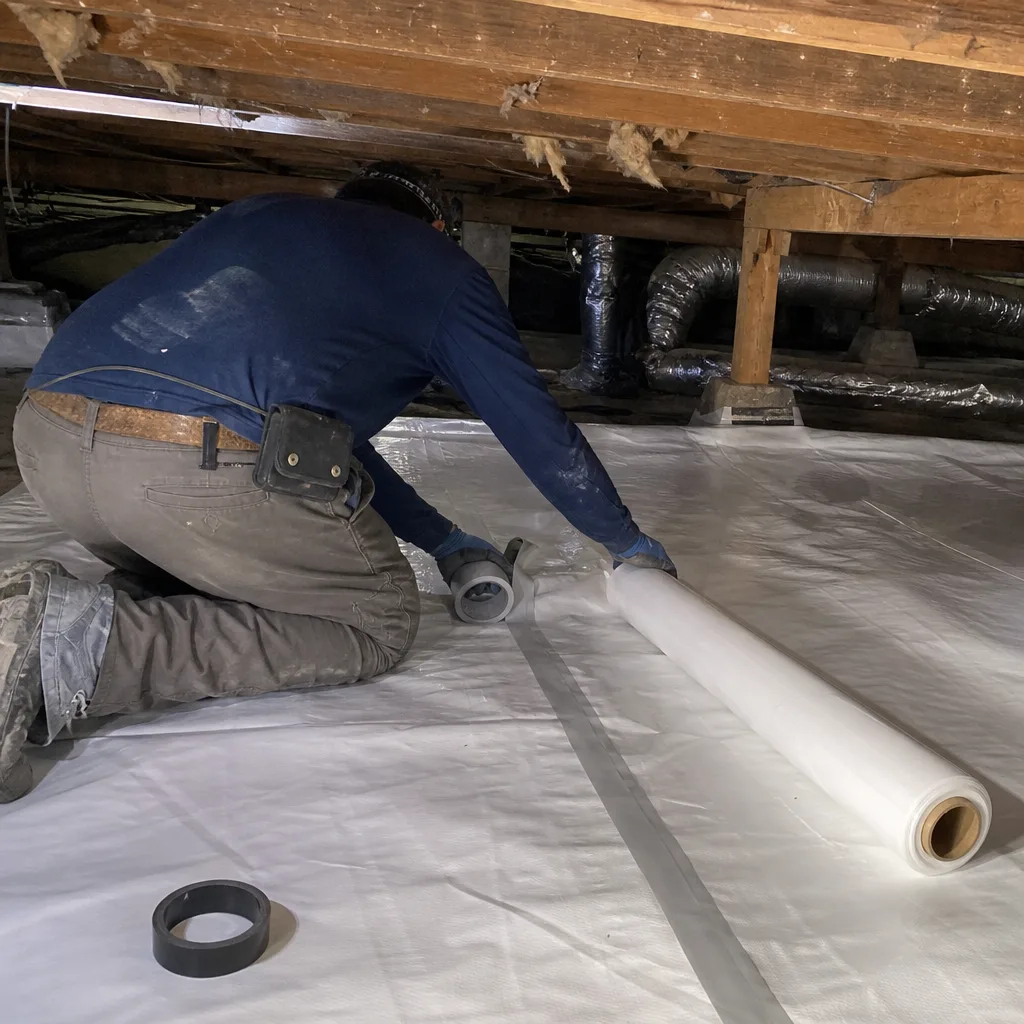
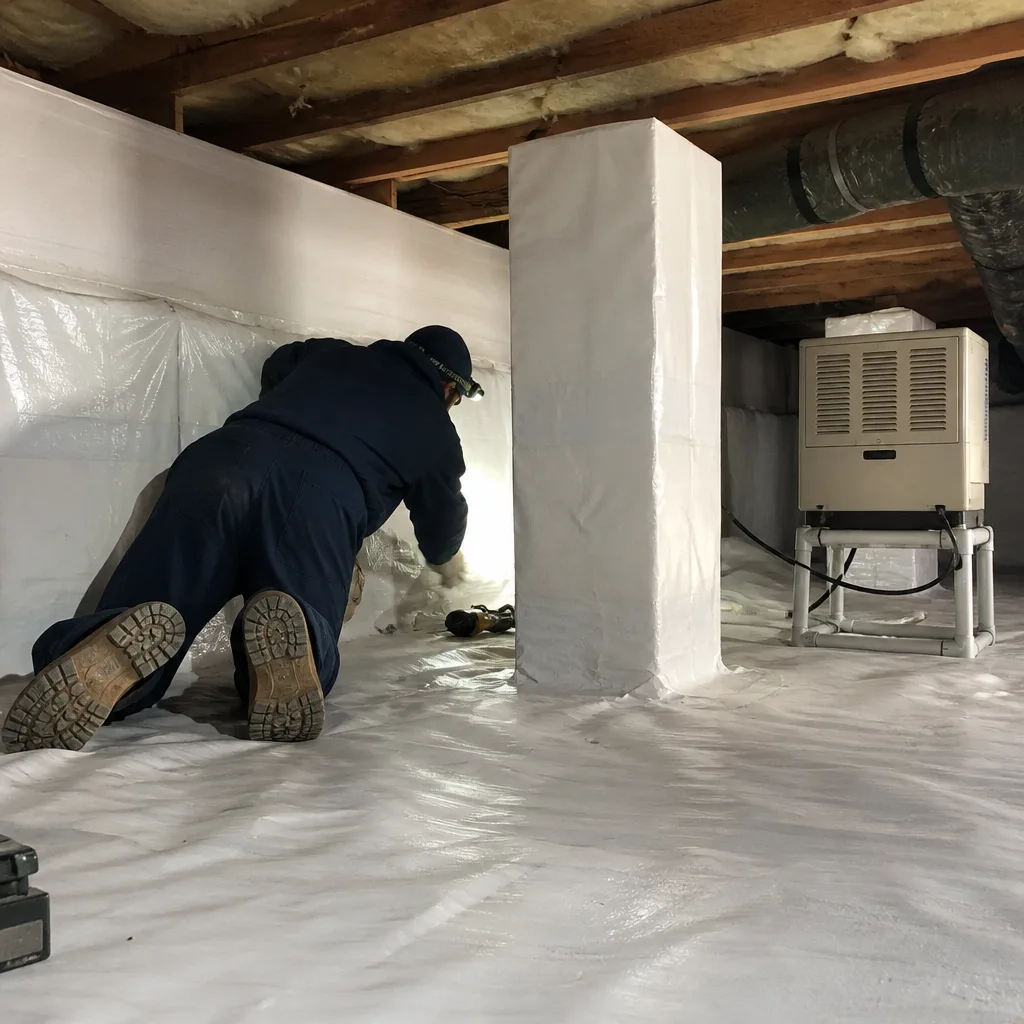
- Crawl spaces with encapsulation - vapor barrier on the ground, sealed to walls, with no interior wall vapor retarder in the crawl space itself. Crawl space encapsulation in Torrance requires this specific sequence to manage soil moisture and marine humidity together.
The critical error: installing polyethylene sheeting on the interior of a Torrance wall, then air-sealing imperfectly. Humidity from the interior migrates into the cavity, hits the cool poly in summer, and condenses. The cavity becomes a moisture trap. We’ve removed saturated fiberglass from walls in the Madison Park area where this exact assembly failed within five years of “energy upgrade” work.
Smart vapor retarders, which become more permeable at high humidity, solve this problem in theory. In practice, their performance depends on precise installation and airtightness that most crews don’t verify. We prefer assemblies that don’t rely on vapor retarders as the primary moisture control, using instead: airtightness, controlled ventilation, and materials that tolerate some moisture cycling.
What Documentation to Hold When the Crew Leaves
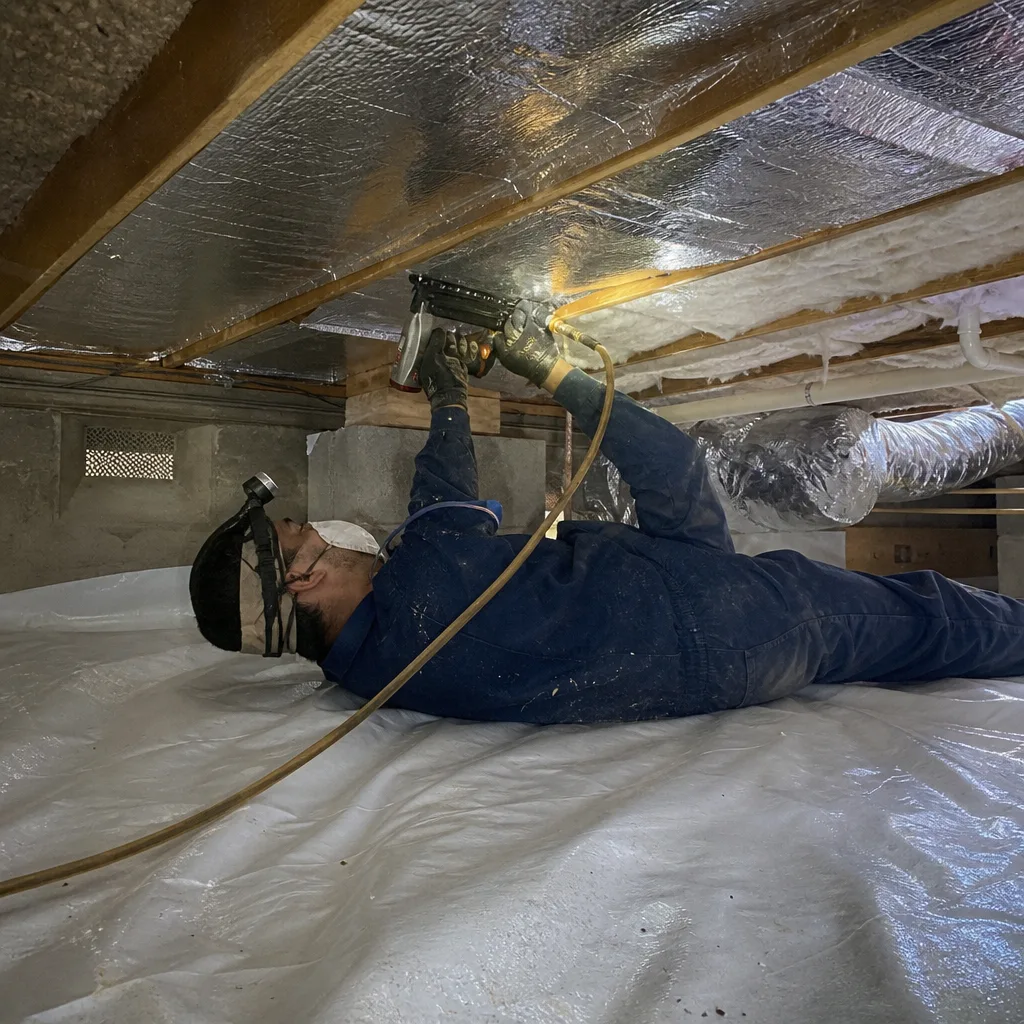
A homeowner should never finish an insulation project with only a receipt. In Torrance, where permit compliance, moisture risk, and resale documentation all matter, the paperwork is part of the product.
Here’s what we deliver on every job, under Haven Standard:
- Written scope and written price - signed before work begins. This is Haven Standard Clause 1: flat price, written scope, written warranty before anyone lifts a tool.
- Pre- and post-blower-door report - on applicable jobs, the CFM50 readings with date, time, and technician signature. This is the proof of air-sealing performance.
- Installed-depth photo log - photos of depth markers in multiple attic locations, time-stamped, showing the material and its thickness. Verifies that what was specified was installed.
- Title 24 CF2R compliance certificate - required for permitted work in California, this documents that the installed insulation meets code R-value for the climate zone.
- Documented Photo Record - included on every job, not available on request. Photos of access points, conditions found, work completed, and any anomalies or recommendations.
- Written warranty and 365-Day Done Right Promise - if it’s not done right, we make it right. The promise is in writing, not implied.
These documents protect the homeowner in three ways: permit compliance for future sale, verification that the work was performed as specified, and a baseline for any future energy audit or upgrade. We’ve had Torrance homeowners use their blower-door report from our work to qualify for subsequent rebate programs that required documented envelope tightening.
Contractors who won’t provide this documentation, or who treat it as available “on request” rather than standard deliverable, are telling you something about their process. Ask before you hire. Our How to Hire a Insulation Contractor in Torrance: A Step-by-Step Guide covers the questions that reveal who’s thorough and who isn’t.
What Insulation Costs in Torrance: Real Price Ranges
We publish ranges because Haven Standard Clause 1 requires a written price before any work starts. These figures reflect what we’ve written on proposals for Torrance homes in the past 24 months. Every home differs; these are starting points for planning, not quotes.
| Service | Typical Torrance Range | What Drives Price |
|---|---|---|
| Attic air sealing only (no insulation) | $1,800 - $3,400 | Attic square footage, accessibility, number of penetrations |
| Attic insulation removal and replacement | $3,200 - $6,500 | Existing material condition, contamination, access difficulty |
| Blown cellulose attic insulation (air sealing included) | $2,400 - $4,800 | Attic size, target R-value, current insulation depth |
| Open-cell spray foam, cathedral ceiling | $5,500 - $11,000 | Board feet, thickness, access complexity |
| Crawl space encapsulation with vapor barrier | $4,000 - $8,500 | Crawl space size, existing conditions, foundation type |
| Whole-home energy audit with blower-door test | $450 - $750 | Home size, number of HVAC zones, report detail level |
Homes in the Hillside area of Torrance, with complex rooflines and limited attic access, trend toward the higher end of these ranges. Single-story ranch homes in the original Torrance grid, with straightforward attic hatches and open plans, typically fall in the lower half.
We offer a Free Second Opinion on any written estimate. Bring us a competing quote and we’ll read it with you, line by line, and explain where the scope differs from what we would specify. No obligation.
For specific pricing on your home, call (424) 704-9866. Estimates are free, and the written price arrives before any work is discussed for scheduling.
Common Mistakes to Avoid
- Installing insulation over an unsealed attic floor. This buries air leaks, traps moisture from the marine layer, and guarantees you’ll be removing the material within a decade. We’ve done this removal work in Torrance; it’s more expensive than doing the sealing first.
- Specifying R-value without verifying installed depth. A bag of insulation promises R-38 at 12 inches, but compression, uneven application, and settling can reduce actual performance by 30% or more. Demand depth markers and photos.
- Using the wrong vapor retarder for the assembly. Interior polyethylene in a mixed-humidity climate creates condensation cavities. Know your wall or ceiling type before specifying the retarder.
- Ignoring the crawl space. In Torrance, ground moisture and marine humidity meet at the crawl space. Insulating the floor above without encapsulating below leaves a moisture source that degrades the new material from underneath.
- Trusting Title 24 minimums as performance targets. Compliance is the floor. Actual comfort and bill reduction come from beating the code on airtightness, not just meeting it on R-value.
- Hiring based on price per square foot alone. A low price with no air sealing, no blower-door verification, and no documentation is not a bargain. It’s a future expense, delayed.
- Neglecting to get the CF2R certificate for permitted work. Without this, future buyers or auditors have no proof the work met code. The certificate costs nothing extra when the work is done right; its absence creates problems later.
When to Call a Professional
Call when your upstairs rooms stay hot into the night despite running the AC, when you find fiberglass darkened or compressed in the attic, when your energy bills spike without rate increases, or when you’re considering any insulation work in a home built before 1995. These symptoms indicate envelope failure that DIY patching won’t fix.
Specifically in Torrance, call when you notice moisture staining on ceiling drywall, musty odors after marine layer mornings, or temperature differences of more than 8 degrees between rooms on the same floor. These are signs of air leakage pathways and missing or degraded insulation that require diagnostic work - a blower-door test and infrared scan - to locate accurately.
Topside Attic Insulation Torrance offers free estimates in Torrance. We’ll run the diagnostics, provide a written scope and price, and explain what documentation you’ll receive if you move forward. Call (424) 704-9866 to schedule.
Frequently Asked Questions
Most attic insulation jobs in Torrance run between $2,400 and $4,800 for blown cellulose with air sealing included, or $3,200 to $6,500 if removal of existing material is needed. The exact price depends on attic square footage, accessibility, and the condition of what’s currently installed. Call (424) 704-9866 for a written estimate specific to your home - estimates are free.
Repair is rarely cost-effective if the existing insulation is more than 20 years old, has been disturbed by rodents, or shows moisture staining. Patching new material onto degraded old insulation creates thermal bridges and traps contaminants. In most Torrance homes we assess, full removal and replacement with proper air sealing delivers better performance per dollar spent. We offer a Free Second Opinion on any written estimate if you want to compare approaches.
We don’t start work the same day as the estimate. Under Haven Standard, every job requires a written price and signed scope before scheduling. This protects both parties and ensures the crew arrives with correct materials and time allocation. Most Torrance jobs schedule within 3-7 business days of estimate approval. Call (424) 704-9866 to book an estimate.
Humidity persistence usually indicates air leakage, not insufficient cooling. When humid marine air enters through unsealed attic and wall pathways faster than the AC can dehumidify, the system runs longer without achieving comfort. A blower-door test locates these pathways. We’ve seen Torrance homes drop from 65% indoor RH to 50% after air sealing alone, before any insulation was added.
Attic insulation slows conductive heat transfer - the R-value resists heat moving through solid materials. A radiant barrier reflects radiant heat from the roof deck, reducing the attic’s peak temperature. In Torrance, where summer attic temperatures reach 130°F, a radiant barrier can reduce cooling load by 5-10% when properly installed, but it does not replace insulation. We specify radiant barrier in specific applications: homes with dark shingle roofs, limited attic ventilation, or where the homeowner wants to reduce peak attic temperature before adding insulation. Attic insulation in Torrance addresses different heat flow mechanisms and both may be appropriate.
Demand three documents: installed-depth photos with time stamps, a blower-door report showing before-and-after air leakage, and the Title 24 CF2R compliance certificate if the work was permitted. Without these, you have no verification. Under Haven Standard, we deliver all three on every applicable job. If your previous contractor provided only a receipt, the installation quality is unverified.
The Bottom Line
Insulation in Torrance fails when treated as a commodity product - R-value purchased by the bag and blown to an assumed depth. It succeeds when the coastal climate is the design constraint: marine-layer humidity managed through proper vapor retarder placement, thermal swings addressed through air sealing before insulation, and performance proven through blower-door documentation. The materials matter, but the sequence matters more. The code provides a floor, not a target. And the documentation you hold at job completion is what separates a permanent upgrade from a temporary patch.
We’ve sealed and insulated over 9,000 homes since 2016. Every one started with a written price and ended with a documented record. In Torrance, where the marine layer doesn’t negotiate, that discipline is what makes the difference between insulation that performs and insulation that merely complies.
Call (424) 704-9866 for a free estimate. A live person answers 24/7. You’ll receive a written scope and price before any work is scheduled, and if you have a competing quote, we’ll review it with you at no charge.
Written by Wes Okafor, Owner at Topside Attic Insulation Torrance, serving Torrance since 2016.