
How Much Does Radiant Barrier Installation Cost in Torrance?
Radiant barrier installation in Torrance, CA typically costs between $1,400 and $3,200 for a standard single-story home with an attic between 1,000 and 2,000 square feet. Most Torrance homeowners land somewhere around $1,800 to $2,400 once attic access, existing insulation depth, and local labor rates are factored in. That range assumes a foil-faced radiant barrier stapled to the underside of the roof rafters – the installation method that performs best in Southern California’s climate.
Radiant Barrier Installation Cost Breakdown (2026)
Our Radiant Barrier Installation services in Torrance break into a handful of line items. The table below reflects what Envelope Insulation Co. actually quotes in the South Bay market – not national averages pulled from a database somewhere.
| Line Item | Typical Range (Torrance, 2026) | Notes |
|---|---|---|
| Radiant barrier material (foil sheet) | $0.15 – $0.35 per sq ft | Double-sided perforated foil is standard for vented attics |
| Labor – standard rafter-staple installation | $0.60 – $1.20 per sq ft | Tight attics with low pitch add to labor time |
| Attic access preparation (if needed) | $75 – $250 | Widening hatch, temporary lighting, debris clearing |
| Attic air sealing (top plates, can lights, penetrations) | $350 – $900 | Completed before any barrier or insulation goes in – see note below |
| Old insulation removal (if required for access) | $0.80 – $1.50 per sq ft | Not always needed; assessed during the written-price walkthrough |
| Whole-job total – 1,000 sq ft attic | $1,400 – $1,900 | Typical Torrance bungalow or 1950s ranch |
| Whole-job total – 1,500 sq ft attic | $1,800 – $2,600 | Common in Old Torrance and Walteria neighborhoods |
| Whole-job total – 2,000+ sq ft attic | $2,400 – $3,200+ | Larger homes in Hollywood Riviera, Southwood |
A note on that air-sealing line: at Envelope Insulation Co., air sealing of top plates, can lights, and penetrations is completed before any radiant barrier or insulation is installed. That’s not an upsell – it’s the only sequence that actually works. A radiant barrier on top of an unsealed attic floor is like weather-stripping a door that’s still open an inch. We won’t skip that step, and the written scope you receive before anyone starts will spell out exactly which line items are included.
Prices above do not include a permit fee. Torrance follows the Los Angeles County building code, and radiant barrier work generally does not require a permit unless it’s bundled with structural modifications. We’ll flag it in writing if your specific job is an exception.
What Affects Radiant Barrier Installation Pricing in Torrance
Six factors move the number up or down more than anything else in the South Bay market:
- Attic square footage and roof pitch. A steeper pitch – common in the Spanish-style homes around Torrance’s Anza Avenue corridor – means slower, more physically demanding work. Shallow 4:12 pitches typical in 1960s tracts move faster. The bid reflects actual crawlable area, not just the home’s footprint.
- Attic temperature at time of year. Torrance sits in a marine-influenced climate, but attic temperatures in July and August routinely hit 140-150°F by mid-morning. Jobs booked in peak summer often require shorter crew shifts and more setup time, which can add modestly to labor cost. Spring and fall scheduling tends to run a bit tighter on time.
- Existing insulation depth and condition. If the attic floor has fewer than R-19 of existing insulation (the older 1970s homes in North Torrance frequently show up with R-11 or less), adding insulation after the barrier is a separate line item worth quoting at the same time. Doing both in one visit typically saves $150-$300 compared to two separate trips.
- HVAC equipment and ductwork in the attic. About 60% of the Torrance homes we see have air handler units or duct runs in the attic space. Working around them – and sealing duct connections while we’re up there – adds time. It also adds value: ducts in a conditioned or partially shielded attic lose significantly less energy than ducts exposed to 145°F air.
- Attic access quality. A 22×30-inch hatch is workable. A 14×14-inch square cut in a closet shelf in a 1958 home in South Torrance is not – not safely, anyway. Widening access before the job adds to cost but shows up on the written scope, not as a surprise on the invoice.
- Foil type and permeability. Vented attics (the majority in Torrance) require perforated foil so moisture can still move. Unvented or hybrid-vented attics in some of the newer Southwood or Hollywood Riviera builds may call for a different specification. Material cost is a smaller driver than labor, but choosing the wrong product type costs money to fix later.
Why Torrance Homes Benefit from Radiant Barriers More Than Inland Markets
This is worth spending a paragraph on, because it’s not obvious.
Torrance’s marine climate keeps outdoor air temperatures mild – the city rarely hits 90°F at ground level even in August. But the roof deck still absorbs solar radiation all day. An attic in El Camino Village or West Torrance can sit at 140°F by noon on a clear July day even when it’s 74°F outside. That heat radiates downward into the living space, which forces the air conditioner to work harder to maintain 72°F inside.
A properly installed radiant barrier – specifically the foil-faces-the-airspace configuration – reflects up to 95% of that radiant heat before it reaches the attic floor. The result is an attic that might read 110°F instead of 145°F on the same afternoon. That 35-degree delta translates directly into shorter AC run times and lower electricity bills on a Southern California Edison rate structure.
Inland markets like Riverside or San Bernardino get more raw heat days, but they also get more cooling overnight. Torrance’s attic holds heat longer into the evening because the marine layer keeps ground temperatures mild – meaning the attic doesn’t flush out as quickly once the sun sets. Radiant barriers address exactly that pattern.
We’ve documented this on jobs in the Seaside Ranchos neighborhood specifically: before-and-after attic temperature readings taken at the same time of day showed consistent drops of 28-40°F at rafter level post-installation. Those numbers are in the job record every homeowner receives when we’re done.
Radiant Barrier vs. Added Attic Insulation: Which Comes First?
The honest answer is: both, in order. But if budget requires staging the work, here’s how to think about it.
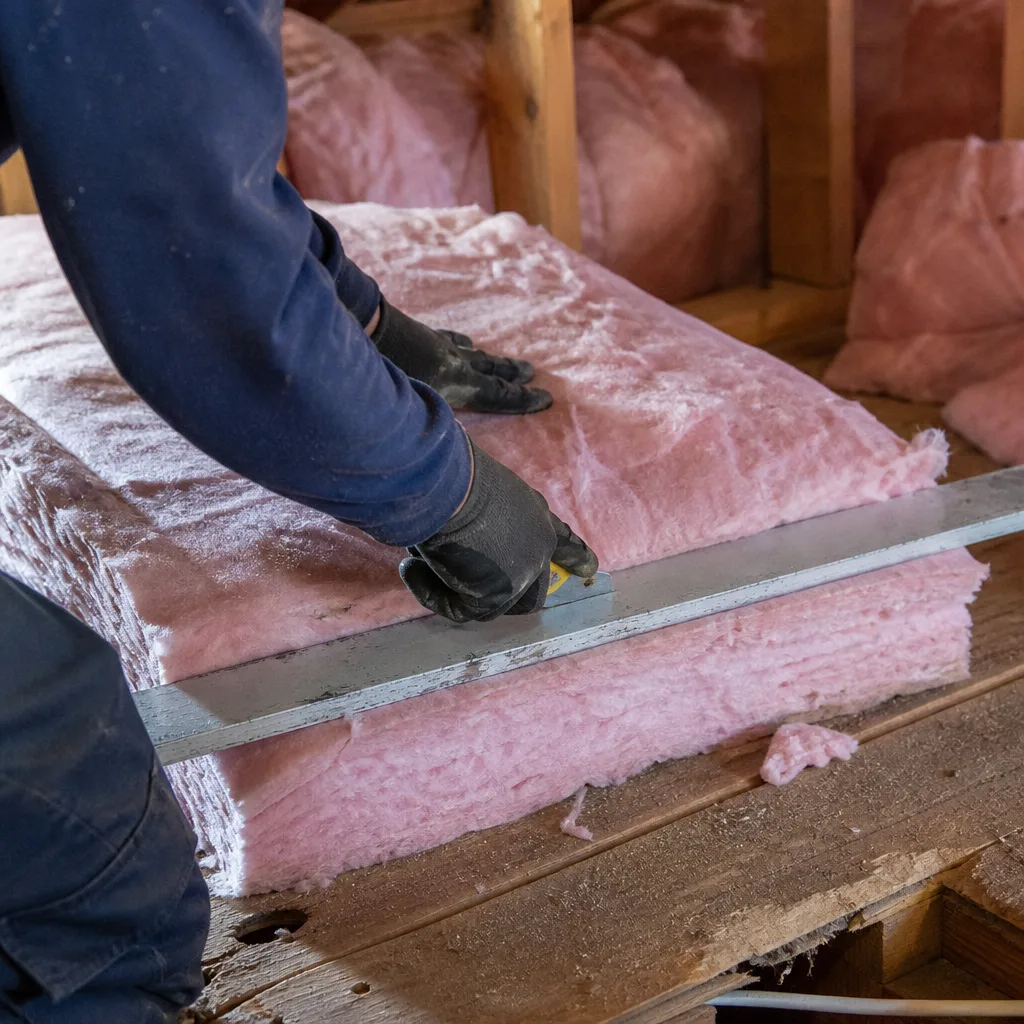
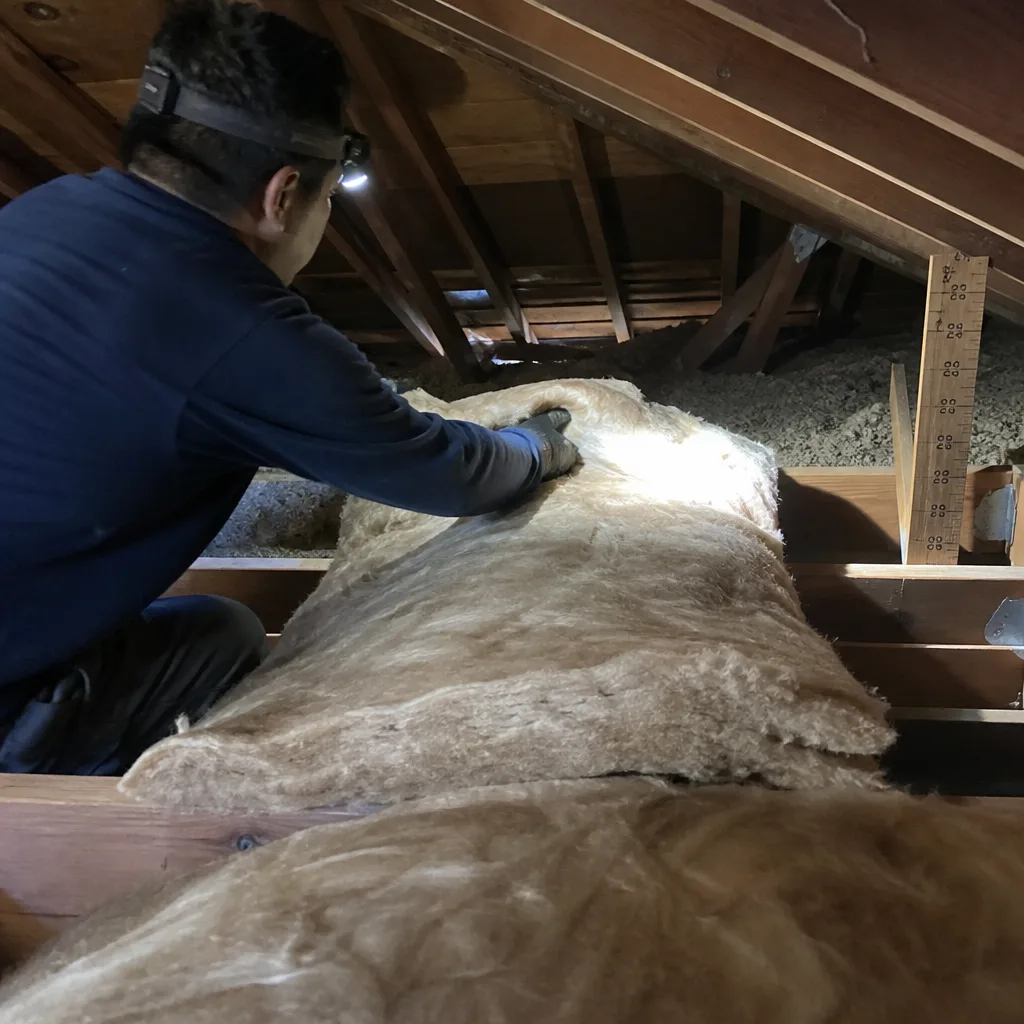
Added insulation (blown-in fiberglass or cellulose on the attic floor) reduces conductive heat transfer – the heat that moves through solid material. A radiant barrier reduces radiant heat transfer – the heat that moves through the air as infrared energy. They work on different physical mechanisms, which is why the combination outperforms either one alone.
In Torrance specifically, homes built before 1978 frequently have R-11 or less on the attic floor – well below California Title 24’s current R-38 minimum for attic insulation in Climate Zone 7. If a home is that underinsulated, adding insulation to reach R-30 or R-38 typically delivers a larger first-year energy return than a radiant barrier alone. If the insulation is already at R-30 or better, a radiant barrier closes the remaining gap efficiently.
The most cost-effective sequence – and the one Envelope Insulation Co. uses when a homeowner wants to address both in stages – is: air seal the attic floor first, then add insulation to code minimum, then install the radiant barrier. That order compounds the performance gain from each step. A written scope for a staged project lays out which phase covers what, so there’s no guesswork about what was included.
For more on the full attic improvement process, our Radiant Barrier Installation in Torrance service page covers installation method specifics in detail.
How to Save on Radiant Barrier Installation in Torrance
There are legitimate ways to bring the cost down, and there are ways that look like savings on the front end and cost more later. Here’s the actual list:
- Bundle the work. If your attic also needs insulation added, rodent proofing, or duct sealing, getting all of it quoted and done in one visit typically saves $200-$400 compared to scheduling separate jobs. Crew mobilization accounts for a real share of every invoice, and one trip covers it once.
- Schedule in spring or fall. Peak summer demand in the South Bay drives labor availability tighter. Jobs booked in March, April, October, or November tend to move faster through the schedule and occasionally land better on price – not because we discount arbitrarily, but because crew time is less constrained.
- Check for utility rebates before you book. Southern California Edison and the Los Angeles Department of Water and Power both offer rebate programs for qualifying insulation and radiant barrier work. Eligibility depends on your current insulation levels and the specific products installed. Ask us to include rebate documentation in the written scope – we pull the paperwork as part of the job record.
- Get a second opinion on any written estimate you already have. If you have a quote from another contractor, bring it in. We’ll read it with you – line by line – at no charge. Under Haven Standard, that’s called a Free Second Opinion on Any Written Estimate. We do it because misread scopes are common, and a homeowner who understands exactly what they’re buying makes a better decision regardless of which contractor they choose.
- Don’t pay to skip air sealing. Some contractors will quote radiant barrier installation without air sealing because it’s cheaper upfront and easier to sell. The problem is that air movement through unsealed penetrations defeats a significant portion of the barrier’s radiant benefit. Paying less to skip it means paying again later – either to retrofit the sealing or to keep covering higher utility bills. The written scope from Envelope Insulation Co. will always include both, in sequence, because the physics don’t work any other way.
To get a written price for your specific Torrance home – attic square footage, access situation, and existing insulation depth accounted for – call (424) 704-9866. A live person picks up, gets the basic details, and we schedule the on-site assessment. The written price you receive before any work starts is flat: no “estimates subject to change” language.
What the Job Looks Like, Start to Finish
A lot of homeowners ask what they’re actually agreeing to before they sign anything. Here’s the sequence for a standard Torrance radiant barrier job under Haven Standard:
- Written price before anything starts. We assess the attic – access, pitch, square footage, existing insulation, HVAC location – and hand you a flat written price with a written scope and written warranty. No work begins without your signature on that document. Haven Standard Clause 1, no exceptions.
- Air sealing of top plates, can lights, and penetrations. This happens first, before the radiant barrier goes up. Two-part foam is applied at every gap in the attic floor plane. This step takes 45 minutes to two hours depending on the number of penetrations.
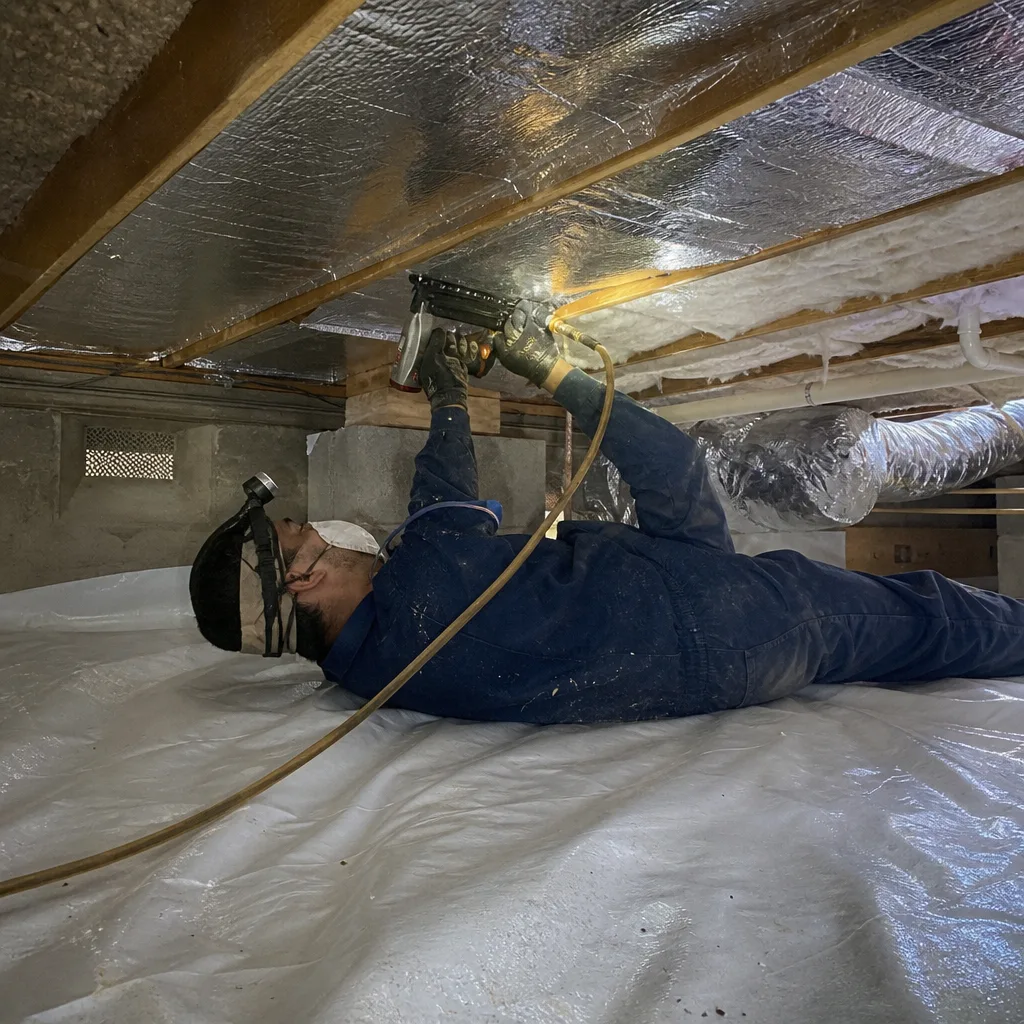
- Radiant barrier installation. Perforated double-sided foil is cut and stapled to the underside of the roof rafters, working from the peak toward the eaves and leaving the required 1-inch air gap at the bottom for moisture management. On a 1,500-square-foot attic with reasonable access, a two-person crew typically completes this in three to five hours.
- Documented photo record. Before the crew leaves, photos are taken at every phase – pre-install attic condition, air-sealing locations, and completed barrier coverage. You receive the full record when the job closes. Not available on request: included on every visit.
- Blower-door reading (on applicable jobs). When air sealing is a significant part of the scope, we run a blower-door test – a pressurization reading that shows, in one number, how much conditioned air the building envelope was losing – before and after. The before-and-after numbers go into your job record so you can see exactly what changed. We publish those numbers because they’re evidence of the work, not just a description of it.
The 365-Day Done Right Promise covers the completed work: if anything isn’t right within a year of completion, we make it right. That’s in writing before the job starts, not offered as a courtesy after the fact.
Neighborhoods in Torrance We Service Regularly
Torrance’s housing stock is more varied than it looks from the outside. The 1950s and 1960s tracts in North Torrance and El Camino Village run to low-pitch roofs, small hatch access, and original insulation that’s often compressed to R-8 or less after 60 years. The Spanish-style and larger custom homes in Hollywood Riviera and Southwood tend to have steeper pitches and better original access but more complex rafter geometry. Old Torrance bungalows – particularly along the blocks near Sartori and Post Avenue – frequently have no attic access at all until one is cut.
We work across all of these neighborhoods regularly. The written scope for a Walteria home and a Hollywood Riviera home will look different because the attics are different – and the price reflects what’s actually there, not a one-size average.
Envelope Insulation Co. serves the full South Bay from the same base – including Redondo Beach, Hermosa Beach, Manhattan Beach, Lawndale, Gardena, and Carson. If your home is just outside Torrance city limits, call and ask; the service area is drawn around drive time, not zip codes.
Materials We Use for Radiant Barrier Installation
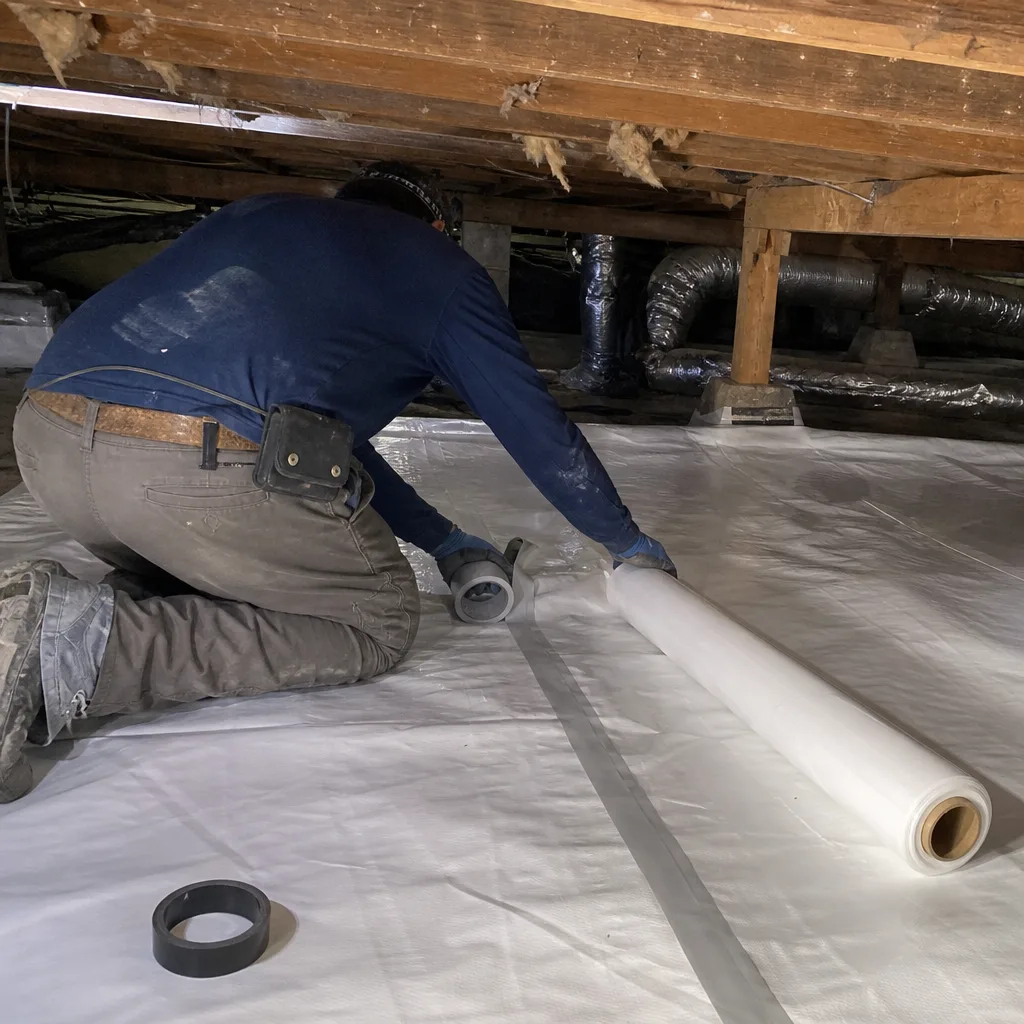
Envelope Insulation Co. sources materials from Owens Corning, Johns Manville, Knauf, Rockwool, CertainTeed, Icynene, Demilec, and GreenFiber, depending on what the job calls for. There’s no proprietary product requirement – we use what performs best for the specific attic configuration, not what carries the highest margin. For radiant barriers specifically, the specification (perforated vs. solid, single-sided vs. double-sided, foil weight) is written into the scope before the job starts so you know exactly what’s going in before we arrive.
If a competing estimate specifies a different product, bring it in. We’ll compare specifications line by line – that’s what the Free Second Opinion is for.
FAQs – Radiant Barrier Installation Cost in Torrance
How much does radiant barrier installation cost in Torrance, CA?
Most Torrance homes fall between $1,400 and $3,200 for a complete radiant barrier installation, with the midpoint around $1,800 to $2,400 for a 1,200 to 1,600 square foot attic. The low end reflects straightforward access and a simple rafter layout; the high end reflects tight attics, HVAC equipment in the way, or a larger home in Southwood or Hollywood Riviera. That range includes air sealing of top plates and penetrations before the barrier goes in – because we won’t install one without it. Call (424) 704-9866 and we’ll give you a written price based on your actual attic, not a range.
Is a radiant barrier worth it in Torrance’s mild climate?
Yes – and the reason is specific to how Torrance’s marine climate interacts with roof-deck heat load. Even on a day when outdoor air temperature stays at 75°F, an unshielded attic in Torrance can reach 140-150°F by early afternoon because the roof deck absorbs solar radiation all day. That radiant heat transfers downward into the living space and extends air conditioner run time on Southern California Edison’s rate structure. On jobs in Seaside Ranchos and West Torrance, we’ve documented consistent post-installation attic temperature drops of 28-40°F at rafter level. Whether that translates to enough annual savings to justify the install cost depends on your current electricity use and your AC’s efficiency rating – both of which we can assess as part of the written-price walkthrough.
How long does radiant barrier installation take in a typical Torrance home?
A 1,200 to 1,500 square foot attic with reasonable access typically takes one full day for a two-person crew – roughly four to six hours of active installation time plus air sealing. Attics with low clearance, complex rafter geometry, or significant HVAC equipment can run into a second half-day. The written scope estimates the crew hours before anyone starts, so you know what the timeline looks like before you commit.
Does radiant barrier installation in Torrance require a permit?
In most cases, no. Torrance follows the Los Angeles County building code, and foil radiant barrier installation on existing rafters does not typically trigger a permit requirement unless it’s paired with structural modifications or combined with a re-roofing project. If your specific job is an exception – for instance, if the scope includes cutting new attic access or significant electrical work around junction boxes – we’ll flag it in writing before the job starts, and the permit cost will be a separate line item, not folded into the flat price without notice.
Can I install a radiant barrier myself to save money?
The material is available at building supply stores, and some homeowners do install foil barriers themselves. The two issues that consistently create problems in DIY installations are: stapling the foil so it contacts the rafter without leaving an airspace (which eliminates most of the reflective benefit), and skipping the air sealing step because it requires two-part foam and some experience identifying every penetration in the attic floor plane. If the foil touches the rafter face instead of facing the airspace, or if air is still moving through unsealed top plates, the installation won’t perform as expected. If you’ve already done a DIY install and want it assessed, we can do a written evaluation as part of a free estimate visit.
What’s included in Envelope Insulation Co.’s radiant barrier quote?
The written price covers: on-site attic assessment, air sealing of top plates, can lights, and penetrations before any barrier is installed, perforated foil radiant barrier stapled to the underside of the rafters with the required airspace maintained, a documented photo record of every phase, and a written warranty. On jobs where air sealing is a significant part of the scope, before-and-after blower-door readings – a pressurization measurement that shows how much conditioned air the building envelope was losing – are included in the job record. The 365-Day Done Right Promise applies to all completed work. Call (424) 704-9866 to schedule the assessment; the written price is delivered before any work starts.
Key Takeaways
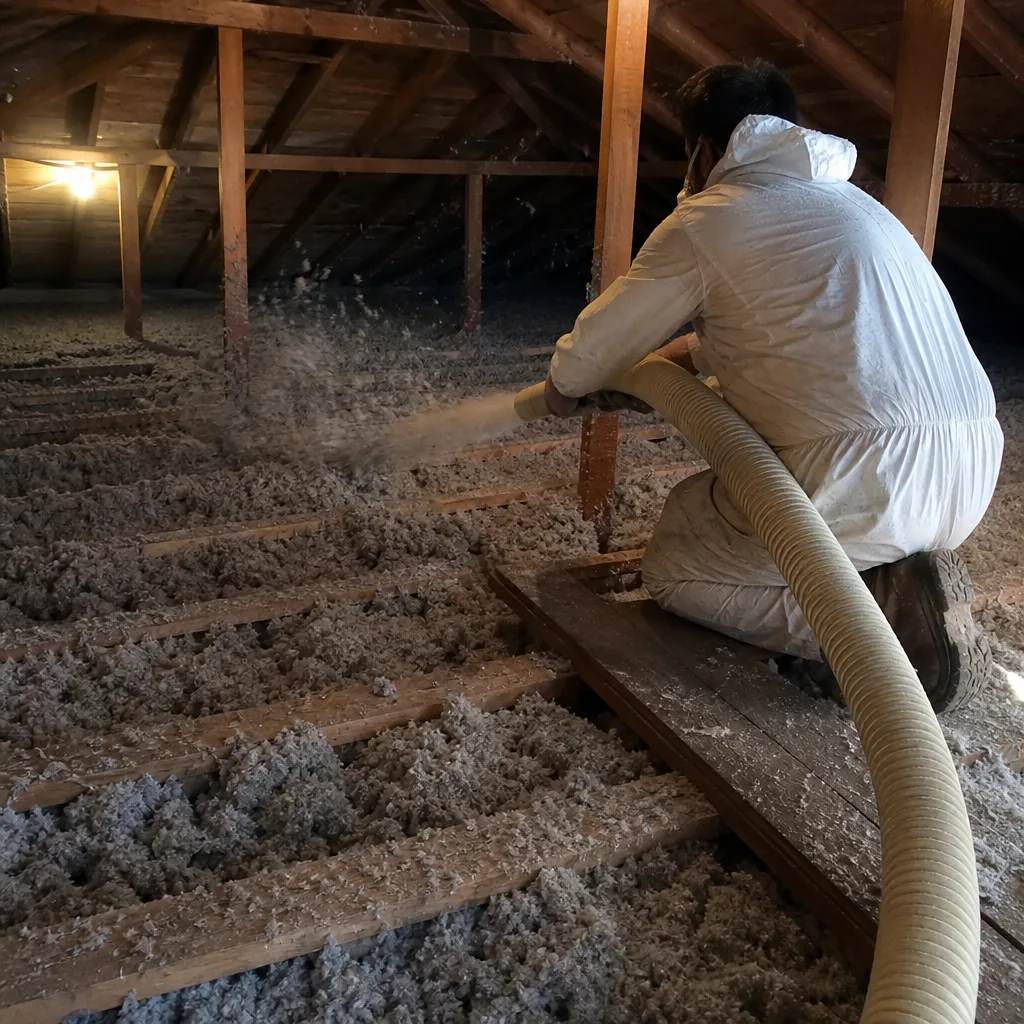
- Radiant barrier installation in Torrance runs $1,400 to $3,200 for most homes, with a midpoint around $1,800 to $2,400.
- Attic square footage, access quality, roof pitch, and HVAC equipment location are the four biggest cost drivers in the South Bay market.
- Torrance’s solar-heat-load-to-mild-outdoor-air ratio makes radiant barriers particularly effective – attics can hit 145°F on days when it’s 74°F outside.
- Air sealing always comes before the barrier – not as an add-on, but as a hard prerequisite. The physics don’t work in the other direction.
- Every Envelope Insulation Co. job starts with a written flat price and closes with a documented photo record. The 365-Day Done Right Promise covers all completed work.
- Southern California Edison and LADWP rebate programs may apply – ask us to document eligibility as part of the written scope.
- A Free Second Opinion on any written estimate from another contractor is available at no charge. Bring the quote; we’ll read it with you.
Envelope Insulation Co. has been independently owned and operated under The Haven Standard since 2016, with written prices and documented photo records on every job across more than 9,000 homes sealed and insulated in the South Bay. Wes Okafor leads the team and has reviewed the pricing methodology reflected on this page against actual Torrance-market job records.
If you want a flat written price for your Torrance home – no “call for a quote” runaround, no number that changes when the crew arrives – call (424) 704-9866. A live person answers. We’ll schedule the on-site assessment, deliver a written price before anyone starts, and you’ll have a documented record of every phase when we leave. That’s the standard on every job, not a feature we offer on select ones.
You can also learn more about what we do across the full building envelope on our home page, or go deeper on installation method specifics for the South Bay on our Radiant Barrier Installation in Torrance service page.
Written by Wes Okafor, Owner at Envelope Insulation Co. (operating as Topside Attic Insulation Torrance), serving Torrance since 2016. Pricing reflects the Torrance market as of 2026. Topside Attic Insulation Torrance offers free estimates – call (424) 704-9866.
What Our Customers Say
"They air-sealed the attic floor before insulating and showed me the blower-door number before and after. The upstairs is finally the same temperature as downstairs."
- Marisol D."Fixed price, clean work, and they hauled the old material away as agreed."
- Todd M."Two other companies quoted to blow more insulation on top of what was there. These were the only ones who said the existing material had to come out first, and explained why."
- Clifford E.