
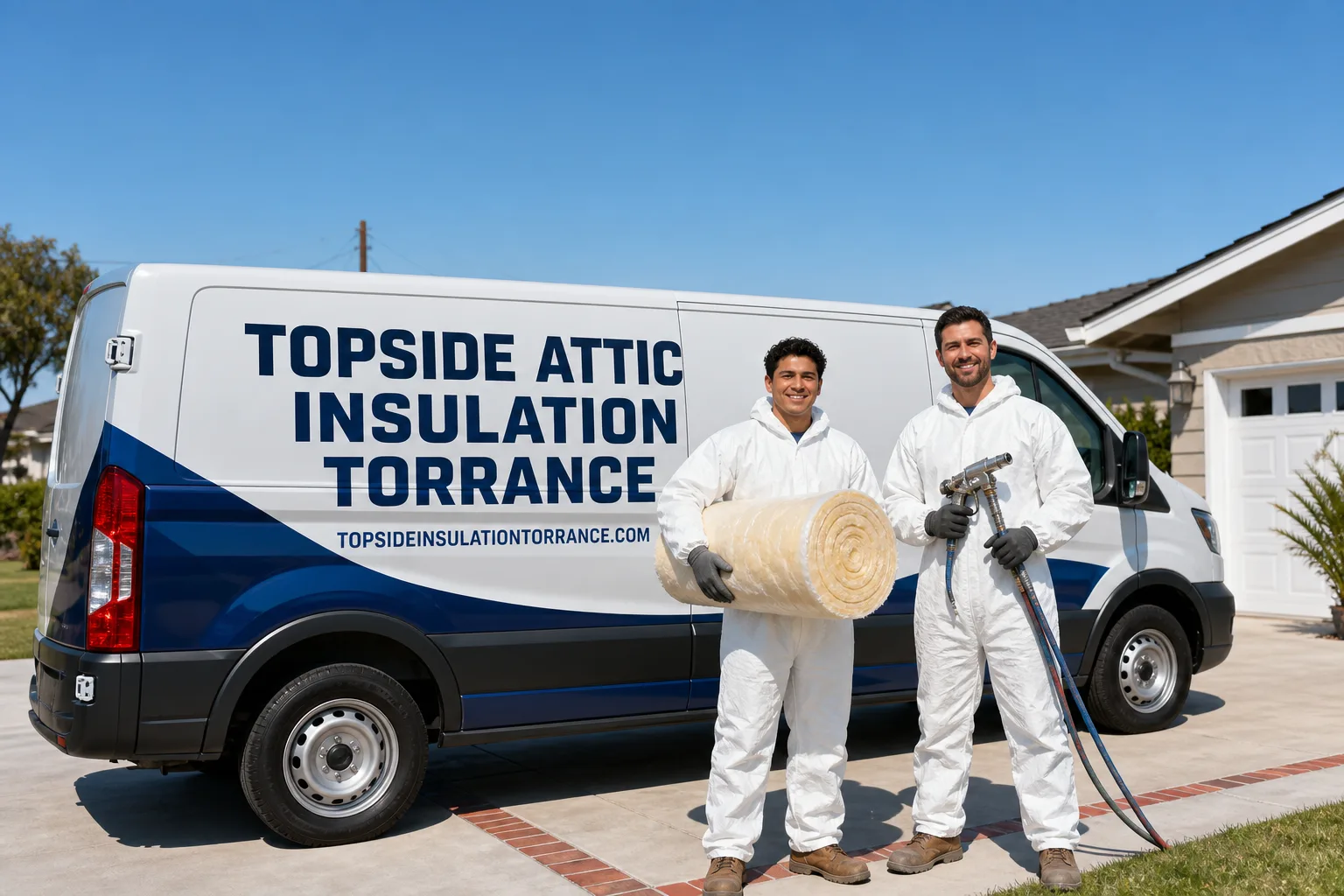
How Much Does a Home Energy Audit Cost in Torrance?
A Home Energy Audit in Torrance, CA typically costs between $250 and $650 for a standard blower-door assessment with a written report, though larger homes or audits paired with infrared thermography can run $700 to $950. Most Torrance homeowners booking a standalone diagnostic audit land in the $300 to $500 range. If your audit is bundled with air sealing or insulation work through Envelope Insulation Co., the audit fee is often credited toward the project cost – and the written price comes before anyone touches a tool, per Haven Standard Clause 1.
Home Energy Audit Cost Breakdown (2026)
Torrance sits in a coastal-influenced climate zone – IECC Zone 3C – where summer cooling loads and marine-layer humidity combine to make attic air leakage more expensive than homeowners expect. The table below reflects real pricing for Torrance homes as of 2026, based on the types of audits we perform across El Camino Village, Walteria, Hollywood Riviera, and Old Torrance neighborhoods.
| Audit Type | Typical Torrance Price Range | What You Get |
|---|---|---|
| Walk-through visual inspection only | $150 – $250 | Checklist report, no pressurization testing |
| Blower-door test + written report | $300 – $500 | CFM50 reading before/after, prioritized leak list, documented photo record |
| Blower-door + infrared thermography (IR scan) | $500 – $750 | Above plus thermal images showing moisture and air-leak patterns behind drywall |
| Whole-house diagnostic (blower-door + IR + duct leakage test) | $700 – $950 | Full envelope and HVAC distribution assessment, written action plan by priority |
| Audit bundled with air sealing + insulation project | Audit fee often credited | Before-and-after blower-door numbers published on the job record |
| HERS rating (required for new construction permits) | $400 – $800 | Official HERS score for permit compliance – separate from a diagnostic audit |
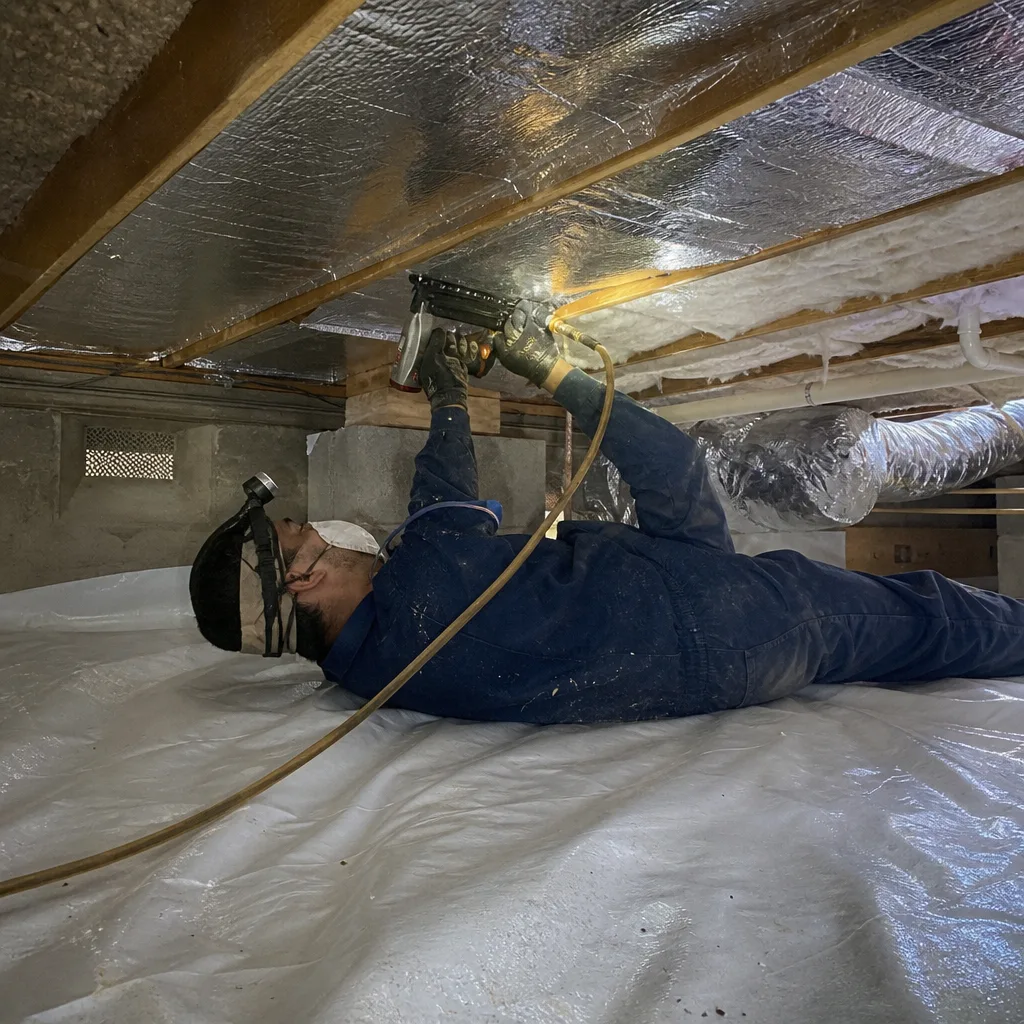
A few things push cost toward the top of those ranges. Homes over 2,200 square feet take longer to pressurize and depressurize, and identifying every leak path on a larger footprint takes more technician time. Post-1980 Torrance tract homes with recessed can lights in the ceiling – a fixture that was essentially never air-sealed at the factory – tend to require more thorough blower-door analysis because the leakage is distributed across dozens of penetrations rather than concentrated in a single gap. Homes with unconditioned crawl spaces under the floor, which are still common in the older streets east of Crenshaw Boulevard, add a third inspection zone that increases audit duration. On the lower end, a 1,100-square-foot condo or small single-family home with accessible attic access and no crawl space can be assessed accurately in 90 minutes.
What you should walk away with, regardless of price tier: a CFM50 number (the blower-door reading that tells you, in one figure, how much conditioned air your building envelope loses under test pressure), a ranked list of air-sealing priorities, and a written scope if remediation is recommended. At Envelope Insulation Co., every audit visit closes with a documented photo record – the same standard that applies to insulation and air-sealing jobs under The Haven Standard.
What Affects Home Energy Audit Pricing in Torrance
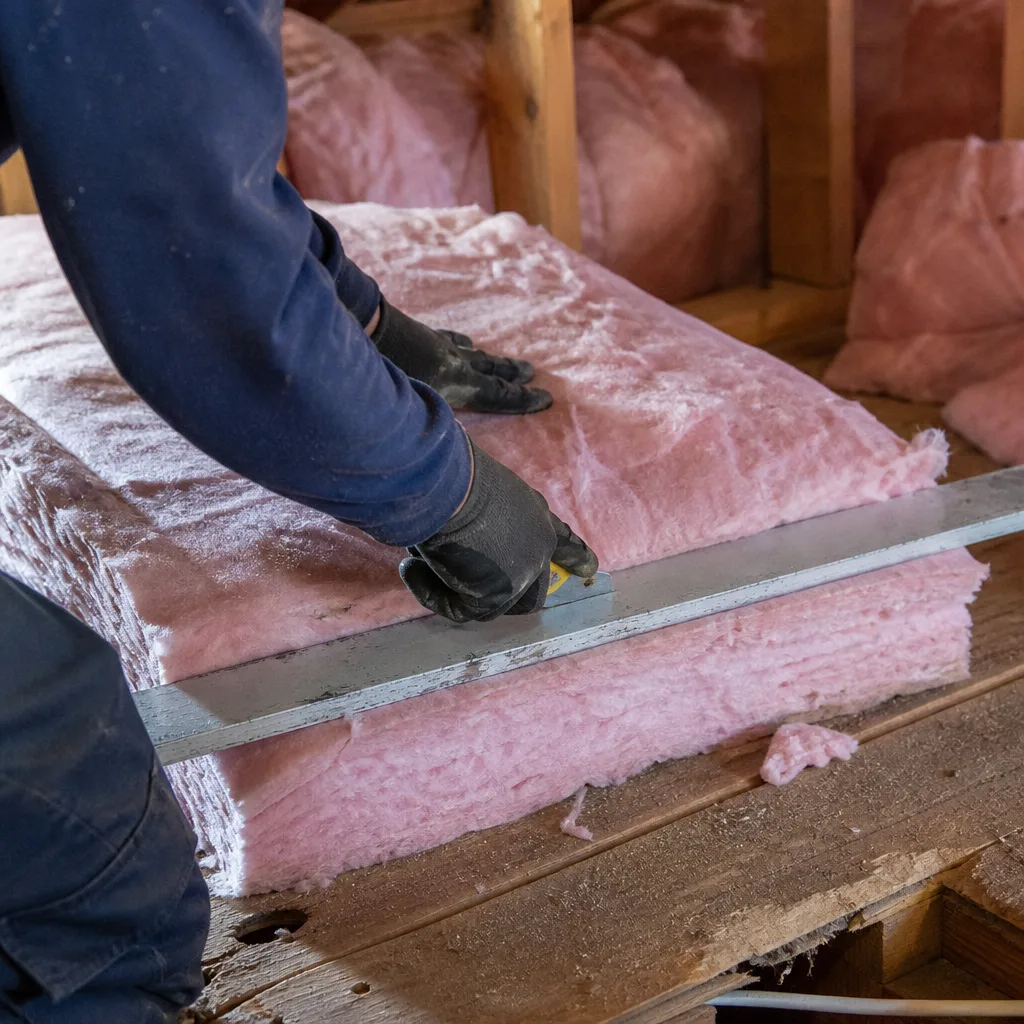
- Home size and ceiling height: Blower-door tests are calibrated by building volume, not just floor area. A Torrance ranch with vaulted ceilings in the living room holds more air than its square footage suggests, which means longer pressurization cycles and a longer inspection window. Most auditors price by square footage as a proxy, with homes over 2,500 square feet typically entering a higher tier.
- Number of stories: Two-story homes in neighborhoods like Walteria or the Seaside Ranchos section of Torrance have an additional floor-ceiling assembly between conditioned floors, and the auditor needs to assess air movement between levels – particularly around interior walls and stairwell penetrations. Add roughly $75 to $150 to a single-story baseline for most two-story homes.
- Attic type and accessibility: A pull-down ladder leading to a clear, walkable attic with good headroom is the easy case. Many Torrance homes built in the 1950s and 1960s have low-slope roofs with 18 to 24 inches of clearance, which slows the inspection considerably. Limited access or no dedicated attic access can add time and cost.
- Whether a duct leakage test is included: Torrance homes with central HVAC (most do, given cooling demand) benefit from knowing how much conditioned air leaks out of the duct system before it reaches the register. A duct blaster test is a separate pressurization procedure and adds $150 to $250 to audit cost when included. It’s worth it if your HVAC system is more than 10 years old or if rooms at the far end of the duct run feel noticeably warmer in August.
- Infrared camera use: Thermal imaging – pointing an infrared camera at walls, ceilings, and floors while the blower door runs – reveals cold air infiltration patterns that a visual inspection misses entirely. It’s especially useful in Torrance homes that have been re-drywalled or renovated without a visual record of what’s behind the walls. IR adds $150 to $250 on average.
- Local rebate program eligibility: Southern California Edison and SoCalGas both offer rebate programs tied to energy audits and qualifying upgrades. An audit conducted by a qualifying contractor and documented correctly can open access to rebates that partially offset both the audit and the remediation work. Not every audit provider generates the documentation format those programs require, so ask upfront.
- Time of year and scheduling: Torrance doesn’t have the dramatic seasonal demand swings that drive audit pricing in inland California markets. Marine influence keeps temperatures moderate enough that audit demand is fairly consistent year-round, which means you’re unlikely to get a meaningful price break by waiting until February. That said, if you can schedule midweek, some providers charge less than weekend or Saturday rates.
What a Home Energy Audit Actually Covers in Torrance
The word “audit” gets used loosely, so it’s worth being specific about what a thorough one includes – and what the documentation looks like when the technician leaves your home.
Blower-Door Pressurization Test
The auditor mounts a calibrated fan in an exterior doorframe, depressurizes the house to a standard 50 pascals below outside pressure, and records CFM50 – cubic feet per minute of air flowing through the fan, which equals cubic feet per minute leaking through gaps in your building envelope. A well-sealed Torrance home of 1,500 square feet might read 900 to 1,200 CFM50. An unsealed home of the same size with open top plates, unblocked can lights, and a leaky attic hatch often reads 2,800 to 4,000 CFM50. That difference in one number tells you more about your home’s actual energy performance than an estimated R-value ever could.
On jobs where Envelope Insulation Co. seals and insulates after the audit, we run the blower door before and after – and publish both numbers on the job record. The homeowner can see the before: 3,400 CFM50; after: 1,650 CFM50. That is the performance change they paid for, expressed in a single verifiable figure.
Insulation Assessment
The auditor checks existing insulation depth and type against California’s Title 24 minimums for Climate Zone 10 – which covers most of Torrance. Attic insulation requirements for this zone are R-38 minimum. A visual inspection with a depth probe will reveal whether existing insulation meets that threshold, whether it has been compressed by foot traffic or rodent activity (both common in Torrance attics near the El Camino corridor), and whether prior insulation removal left gaps that are now uncovered.
This matters locally because Torrance’s mild climate can mask underperformance. A home might feel comfortable in May while losing significant conditioned air through a poorly insulated attic – you notice it in July when the HVAC runs longer than it should, or in your December SCE bill when the marine layer keeps nights colder than the forecast suggests.
Combustion Appliance Zone (CAZ) Testing
If your Torrance home has a gas water heater, furnace, or any combustion appliance in an attached garage or utility closet, a thorough audit includes CAZ testing – a depressurization check that identifies whether the blower-door test conditions could cause those appliances to backdraft exhaust gases into living space. This is a safety step, not an upsell. Any audit that skips it on a gas-appliance home is an incomplete audit.
Duct System Visual and Pressure Assessment
Torrance homes built between 1955 and 1980 frequently have duct systems that were never pressure-tested – and many have duct leakage rates of 25 to 35 percent, meaning one dollar in four spent on cooling never reaches a room. The audit should include a visual inspection of accessible ductwork for disconnected sections, mastic failures, and flex duct that has collapsed or kinked. A duct blaster test adds a measured number to that visual finding.
Written Report and Priority Ranking
At the end of the visit, you should receive a written report that names specific locations where air leakage was found, ranks them by estimated impact, and states what remediation would look like. Under the Haven Standard, that report is accompanied by a documented photo record. If you’re proceeding with work, the written price for that work is delivered before anyone lifts a tool – Haven Standard Clause 1, no exceptions.
How to Save on a Home Energy Audit in Torrance
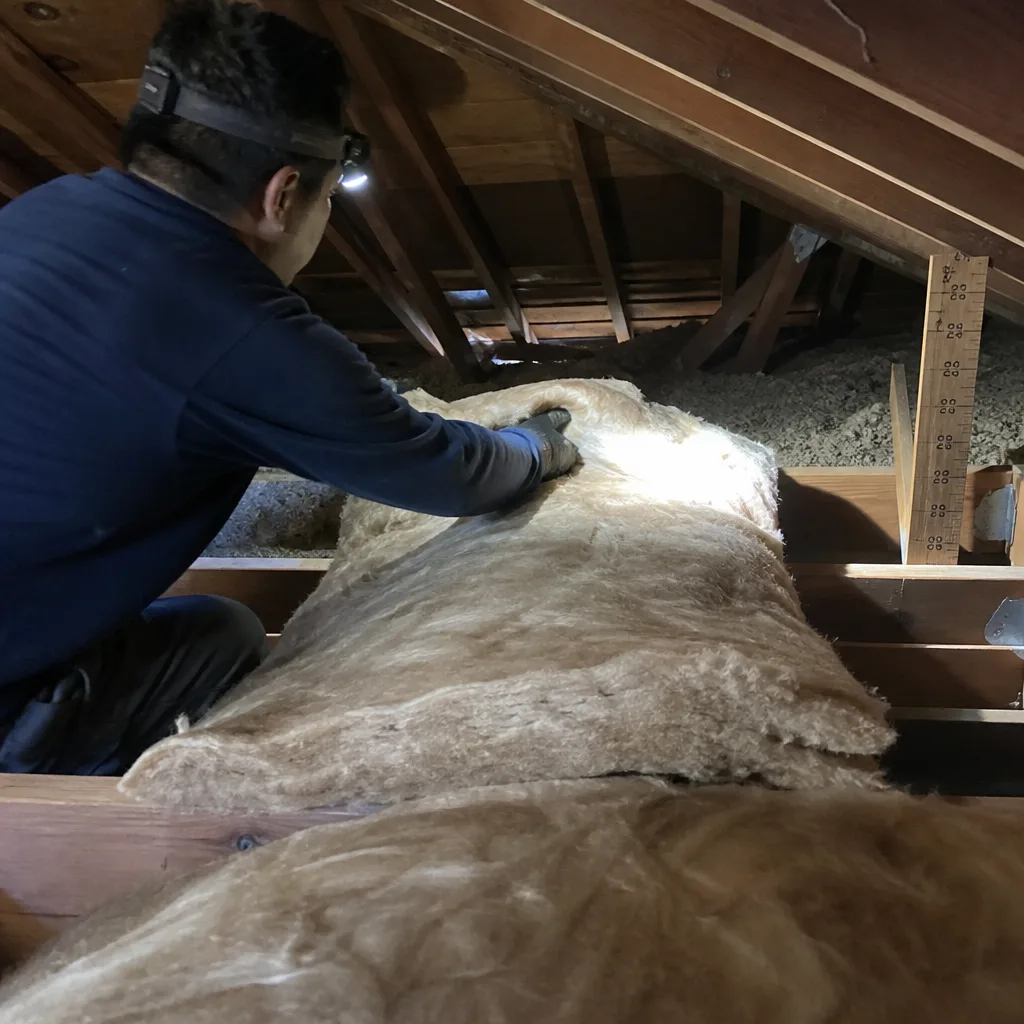
There are a few legitimate ways to reduce net audit cost without sacrificing the quality of the diagnostic.
Stack the Audit with a Project Quote
If you already suspect your attic insulation is underperforming or you’ve been quoted on air sealing, ask whether the audit fee can be credited toward the project. At Envelope Insulation Co., when an audit leads directly to a scope of work, the audit cost is frequently rolled into the project estimate rather than billed separately. The written price for the combined scope is still delivered before work starts – the credit doesn’t change that.
Apply for Southern California Edison and SoCalGas Rebates
Both utilities offer rebates for qualifying energy upgrades identified through a qualifying energy audit. As of 2026, SoCalGas’s Energy Savings Assistance Program covers certain insulation and air-sealing upgrades for income-qualifying households with no out-of-pocket cost – the audit is part of that process. SCE’s Home Energy Efficiency Rebate program provides direct rebates for insulation upgrades meeting their specifications. Your audit provider needs to generate documentation in the format those programs require; if they don’t, you won’t be able to use it for a rebate application.
Use California’s IRA-Linked Tax Credits
The federal Inflation Reduction Act created a 30 percent tax credit (up to $150) for a qualifying home energy audit – specifically an audit that produces a written report identifying the most significant opportunities to reduce energy use. That credit won’t cover the full audit cost, but it offsets a meaningful portion. Save your written report and ask your tax preparer about Form 5695.
Ask About a Free Second Opinion
If you’ve already received a written estimate from another provider – whether it’s for the audit itself or for remediation work identified in a prior audit – Envelope Insulation Co. will read that estimate with you at no charge. Bring the written quote. We’ll tell you whether the scope matches what the home actually needs and whether the pricing reflects the Torrance market. That’s not a sales call; it’s a documented review.
Book a Weekday Appointment
Torrance audit demand doesn’t spike sharply in summer the way it does in San Bernardino or the Inland Empire – our coastal climate keeps demand steadier. But weekday scheduling is still the path most likely to give you same-week availability and, with some providers, slightly better rates than Saturday appointments. To check current availability, call (424) 704-9866 – a live person answers, no voicemail loop.
Do You Actually Need an Energy Audit, or Just an Insulation Check?
This is a question worth addressing directly, because some Torrance homeowners spend $300 to $500 on an audit when a targeted insulation assessment would have answered their specific question for less – and some skip the audit entirely, get insulation blown in, and later discover the R-value gain was partially negated by unsealed air leaks the installer never addressed.
The distinction matters. A blower-door-based energy audit is the right tool when: you don’t know where your home is losing energy; your utility bills are high relative to comparable homes; you’re planning multiple upgrades and want to prioritize them; or you need documentation for a rebate program or building permit. A Home Energy Audit in Torrance from a provider who runs the blower door and delivers a written report gives you a ranked, evidence-based action list.
If your question is simply “do I have enough attic insulation,” a visual attic assessment with a depth probe answers that question without a full audit fee. If your question is “why is my upstairs so much hotter than my downstairs in August,” the blower door and an IR scan together will tell you whether the problem is air leakage, duct leakage, or insufficient attic insulation – because all three can produce identical symptoms from inside the house.
Envelope Insulation Co.’s position on this is straightforward: air sealing is a hard prerequisite, not an upsell. We won’t blow insulation over an unsealed attic floor, because doing so locks air leaks behind new insulation where they continue to perform heat and energy transfer without any visible evidence. The sequence matters: seal first, then insulate – in that order.
What Happens After the Audit: Typical Remediation Costs in Torrance
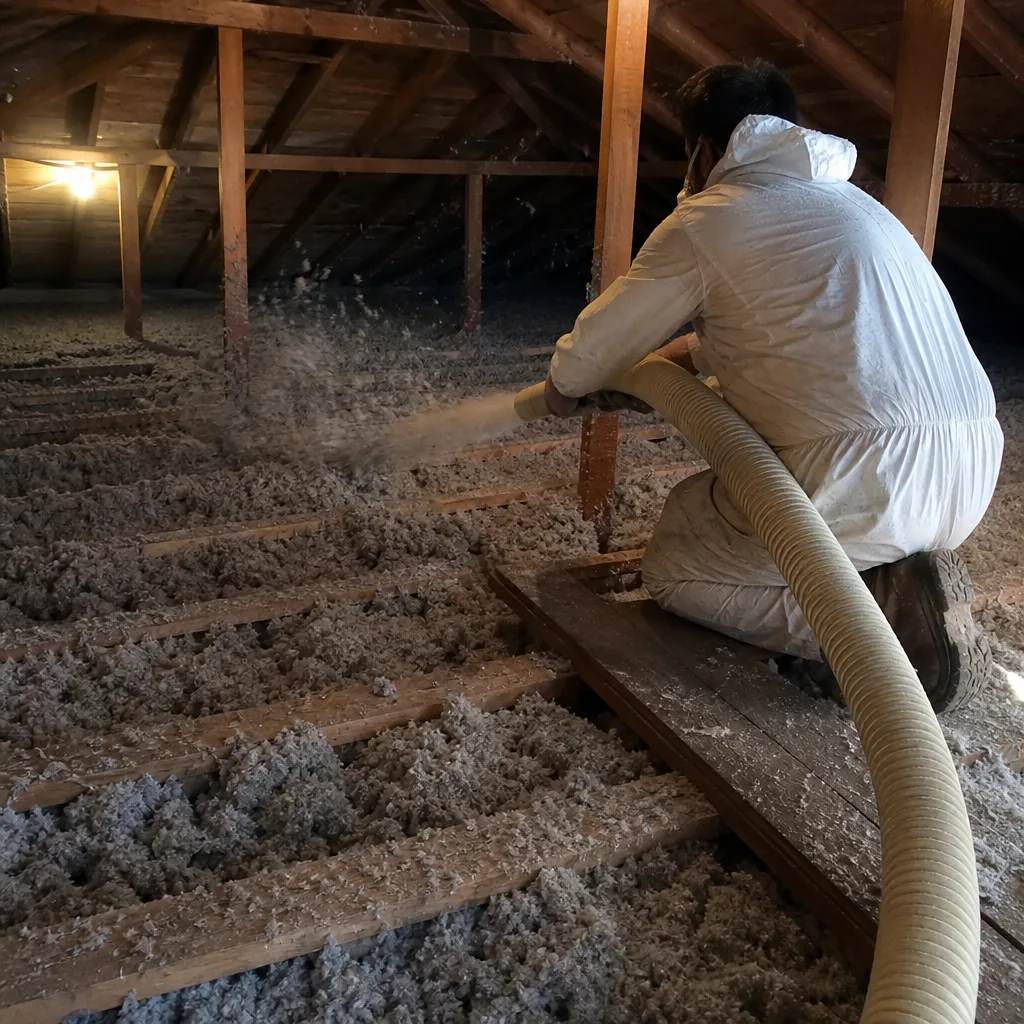
An audit is only useful if it leads to action. Here are ballpark costs for the remediation work most commonly identified in Torrance home energy audits, to help you budget the full picture before you book the diagnostic.
- Attic air sealing (top plates, can lights, penetrations): $600 – $1,400 for a typical Torrance home, depending on accessibility and the number of penetrations. This is completed before any insulation is added – always.
- Attic insulation (blown-in fiberglass or cellulose to R-38): $1,200 – $2,800 for most Torrance homes, depending on existing depth and square footage. Materials sourced from Owens Corning, Johns Manville, Knauf, and GreenFiber depending on scope and conditions.
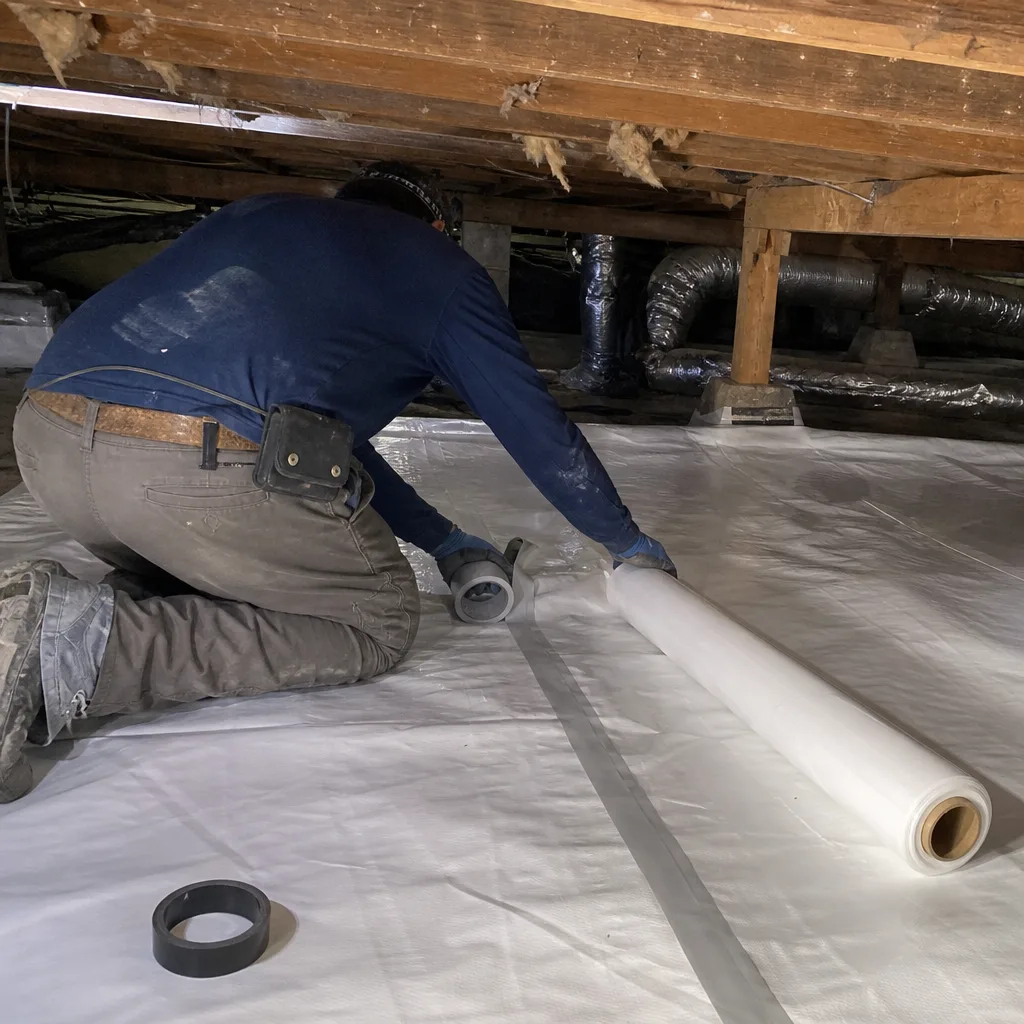
- Crawl space encapsulation and vapor barrier: $2,500 – $5,500 for homes with unconditioned crawl spaces in older Torrance neighborhoods east of Hawthorne Boulevard, where ground moisture is a year-round factor given marine influence.
- Duct sealing (mastic or aeroseal): $800 – $2,000 depending on duct length and access. Homes with ducts in the attic (common in Torrance) face higher costs because attic temperatures in summer can accelerate duct failure.
- Radiant barrier installation: $900 – $1,800 for foil radiant barrier applied to attic rafters. Particularly effective in Torrance homes with west-facing roofs that absorb late-afternoon heat.
- Spray foam at rim joists or specific penetrations: $400 – $900 for targeted application. Icynene and Demilec closed-cell products are used where vapor control is a priority in addition to air sealing.
Every one of those figures comes with a written price before work starts and a documented photo record when the crew leaves. The 365-Day Done Right Promise applies to all completed work – if it’s not done right, we make it right, in writing.
Torrance-Specific Conditions That Change Audit Findings
A generic energy audit guide written for inland California or the national market won’t tell you what the auditor is actually likely to find in a Torrance home. A few local factors genuinely change the diagnostic picture.
Marine Humidity and Vapor Drive
Torrance sits three to five miles from the coast. On most days from May through September, marine air pushes onshore by mid-afternoon. That means exterior humidity is elevated at exactly the time attics are at peak temperature, creating a vapor pressure gradient that drives moisture into building assemblies through any gap the blower door finds as an air leak. In Hollywood Riviera and Southwood, where homes sit closer to the Palos Verdes grade and catch prevailing southwest wind directly, this effect is more pronounced. An audit that identifies air leakage in a Torrance home is also identifying potential moisture intrusion pathways – not just energy loss.
1950s and 1960s Tract Construction
A large share of Torrance’s housing stock was built between 1952 and 1968 – post-war tract development in what were then open parcels between Hawthorne and the Torrance industrial corridor. Those homes were built before any air-sealing code requirement and frequently before continuous insulation was standard. Top plates – the horizontal framing members at the top of interior walls where the wall cavity opens into the attic – were almost never sealed. A blower-door test on a 1960s Torrance home will frequently identify top-plate leakage as the single largest source of air exchange, often accounting for 40 to 60 percent of total infiltration.
Can Lights Added in Renovation
Remodeling activity in Torrance’s more affluent neighborhoods – particularly the Riviera and the streets north of Sepulveda near the Torrance Country Club – has introduced a large number of recessed can lights into homes that originally had none. Pre-2010 can lights installed in an attic floor are essentially holes punched through the building envelope. Each fixture is a direct conduit between the conditioned interior and the unconditioned attic. An audit on a renovated Torrance home should specifically count and pressure-test those fixtures.
Title 24 and HERS Requirements
California’s Title 24 energy code applies to permitted work in Torrance just as it does statewide. If you’re pulling a permit for an addition, HVAC replacement, or re-roof, your project may trigger HERS (Home Energy Rating System) verification requirements – a separate process from a diagnostic audit, but one that begins with similar blower-door methodology. The City of Torrance Building Division at 3031 Torrance Boulevard processes those permits; if your contractor tells you HERS verification isn’t required for a project that involves envelope changes, that’s worth confirming directly with the building department before work starts.
FAQs – Home Energy Audit Cost in Torrance
How much does a basic home energy audit cost in Torrance, CA?
A blower-door test with a written report in Torrance costs $300 to $500 for most single-family homes under 2,000 square feet. A walk-through visual inspection without pressurization testing runs $150 to $250 but misses the air leakage data that makes an audit actionable. For an exact written price before any work starts, call (424) 704-9866 – free estimates, no obligation.
Is a home energy audit worth it in Torrance?
For most Torrance homeowners, yes – particularly those in pre-1980 homes. A $350 to $500 audit that identifies $1,800 worth of air-sealing work that reduces annual cooling and heating costs by $400 to $700 pays back in under two years. The audit also generates the documentation required to claim federal tax credits and utility rebates that reduce the net cost of remediation work. Without the audit, you’re guessing at priority; with it, you have a ranked list based on measured leakage, not estimated R-values.
Does the audit price include the cost of repairs?
No. Audit pricing and remediation pricing are separate line items. The audit identifies what needs to be addressed and ranks it by impact; remediation work – air sealing, insulation, duct sealing – is priced separately in a written scope before any work starts. At Envelope Insulation Co., when the audit leads directly to a project, the audit fee is often credited toward that project cost. Either way, Haven Standard Clause 1 applies: written price before anyone lifts a tool.
Can I get a home energy audit for free in Torrance?
Possibly, depending on income and utility enrollment. SoCalGas’s Energy Savings Assistance Program provides free energy assessments and qualifying upgrades – including insulation and air sealing – for income-eligible Torrance households. Southern California Edison’s similar program covers electric-efficiency measures. Eligibility is based on household income relative to the federal poverty level; SCE and SoCalGas both have online eligibility tools. Outside of those programs, a professionally conducted blower-door audit is not free – but a written estimate for one is. Call (424) 704-9866 to find out what a full audit would cost for your specific home before committing.
How long does a home energy audit take in Torrance?
A blower-door test with a full inspection typically takes 2 to 3.5 hours for a Torrance single-family home under 2,000 square feet. Add 45 to 60 minutes if an IR scan is included and another 30 to 45 minutes for a duct blaster test. Larger homes or homes with crawl spaces take closer to 4 hours. Plan to be present – the auditor will walk the home with you and point out what they’re finding in real time, which is more useful than reading the report later without context.
What’s the difference between a home energy audit and a HERS rating in Torrance?
A diagnostic home energy audit is an assessment you commission to understand your home’s current performance and identify improvements. A HERS rating is a formal score produced by a certified HERS Rater, required by California Title 24 for specific permitted projects, and submitted to the state as part of code compliance documentation. They use some of the same equipment – blower doors, duct blasters – but serve different purposes. An audit result doesn’t substitute for a HERS rating when one is required by your permit; a HERS rating doesn’t substitute for a diagnostic audit when you want a ranked remediation plan. In Torrance, HERS verification is processed through the City of Torrance Building Division as part of the permit record.
Key Takeaways
- Most Torrance home energy audits cost $300 to $500 for a blower-door test with a written report. Full diagnostic packages with IR and duct testing run $700 to $950.
- Pre-1980 Torrance homes almost always have open top plates, unsealed can lights, and no air-sealing history – the blower door will find measurable leakage in virtually every case.
- Marine humidity in Torrance means air leaks identified in an audit are also potential moisture pathways – the stakes are higher than in a drier inland market.
- Federal tax credits (30%, up to $150) and SCE/SoCalGas rebate programs can offset audit and remediation costs. The audit documentation is required to claim them.
- Seal first, then insulate – in that order. Adding insulation over unsealed top plates and can lights locks the leaks in place.
- Before-and-after blower-door numbers on every applicable job: the homeowner can verify the air-sealing result in a single figure, not an estimated percentage improvement.
- Written price before any work starts, always – Haven Standard Clause 1. No exceptions at Envelope Insulation Co., operating in Torrance since 2016.
Get a Written Estimate for a Home Energy Audit in Torrance
Wes Okafor and the team at Envelope Insulation Co. have been sealing and insulating Torrance homes under The Haven Standard since 2016 – more than 9,000 homes documented, every one with a written price before work started and a photo record when the crew left. If you want to know what a full blower-door audit would cost for your specific address, call (424) 704-9866. A live person answers – no voicemail, no callback window. You’ll get a written estimate before any work begins, a free second opinion if you’ve already received a competing quote, and if you proceed, before-and-after blower-door numbers published on your job record so you can see what you paid for.
Estimates are free. The price is written. The work doesn’t start until you’ve seen both.
Written by Wes Okafor, Owner at Envelope Insulation Co. (operating as Topside Attic Insulation Torrance), serving Torrance, CA since 2016. Pricing reflects the Torrance market as of 2026. Topside Attic Insulation Torrance offers free estimates – call (424) 704-9866.
What Our Customers Say
"They photographed rodent damage in the old insulation that we had no idea about, and priced the exclusion work separately so we could decide."
- Harriet N."They air-sealed the attic floor before insulating and showed me the blower-door number before and after. The upstairs is finally the same temperature as downstairs."
- Marisol D."Fixed price, clean work, and they hauled the old material away as agreed."
- Todd M.