
Rockwool Spray Foam Insulation in Torrance: What to Know First
Topside Attic Insulation Torrance provides independent Rockwool spray foam insulation service across Torrance, from the Del Amo neighborhood to the hillside homes near Palos Verdes Boulevard. Most Rockwool spray foam insulation jobs we handle - open-cell attic applications, closed-cell rim joist work, garage ceiling retrofits - run same-day to three-day turnaround depending on square footage and cure time. We publish a written price before any work starts, and every applicable job leaves with before-and-after blower-door numbers so you can verify the air-sealing result in CFM50, not promises.
This page is for Rockwool product owners in Torrance who need spray foam insulation installed, upgraded, or corrected after a previous install. Call (424) 704-9866 for a free estimate or to schedule a diagnostic.
How Rockwool Products Fail - and How We Fix Them
- Comfortbatt thermal bridging in older Torrance framing. Comfortbatt’s semi-rigid batts were never designed to stop air movement, only slow conductive heat transfer. In the 1950s-1970s ranch homes common west of Crenshaw Boulevard, we find batts stuffed into stud cavities with no air barrier behind them, creating convection loops that spray foam would have stopped cold. We remove the compromised batts, seal the sheathing plane with open-cell spray foam, then reinstall Comfortbatt only where it adds R-value without blocking the foam’s air seal.
- Comfortboard 110 delamination from roof decks in coastal humidity. Torrance’s marine layer keeps roof sheathing moisture content elevated for weeks at a time. Comfortboard 110, a rigid mineral wool board, can lose adhesive bond to the deck when installed directly with no drainage gap or when previous contractors used the wrong fastening pattern. We strip the failed boards, dry the deck with targeted airflow, then apply closed-cell spray foam directly to the sheathing - creating both insulation and a Class II vapor retarder in one pass, which the board alone never provided.
- AFB evo loose-fill settling above unsealed top plates. AFB evo, Rockwool’s blown-in acoustic insulation, is often specified for sound control between floors in Torrance’s newer townhome developments. But when it’s blown over unsealed partition top plates, the material filters air leaks instead of blocking them, and settling creates a 2-3 inch gap within five to seven years. We pull the settled material, run a blower-door depressurization test to locate every top-plate penetration, seal with two-part closed-cell foam, then reinstall AFB evo to proper density.
- Rockwool cavity fill bypassed by can-light thermal bypass. IC-rated can lights installed in Torrance ceilings during the 2000s-2010s remodel wave create a classic failure: the Rockwool batt stops at the fixture box, and conditioned air pumps straight into the attic through the housing gaps. We’ve found this in over forty Torrance homes, especially in the Southwood Riviera neighborhood. We build sealed enclosures around each fixture from fire-rated drywall and foam, then re-establish the thermal boundary with open-cell spray foam continuous across the ceiling plane.
- Safe ‘n’ Sound installed without mass-air-mass separation. Safe ‘n’ Sound is marketed for interior wall soundproofing, but in Torrance’s attached condo market we see it installed as a thermal substitute in garage-to-living-space walls - where it has no vapor retarder capability and no structural rigidity against wind-washing from the garage side. We remove it from thermal applications, install closed-cell spray foam to create the air barrier and thermal boundary the code actually requires, then reinstall Safe ‘n’ Sound only on the interior side if sound control remains a goal.
Our Rockwool Spray Foam Insulation Process
- 1
Call and scheduling. A live person answers 24/7. We book a diagnostic window, text you the technician’s name when they’re en route, and arrive on schedule - Haven Standard Clause 3.
- 2
Blower-door depressurization test. Before any material gets ordered, we pressurize the house to 50 Pascals and record your CFM50 baseline. This number determines whether we’re sealing first or whether the existing Rockwool can stay in place. Seal the leaks first. The insulation’s just holding the work in place.
- 3
Written price and scope. We specify every material - whether we’re using Rockwool-compatible spray foam from Demilec or Icynene, or transitioning to a hybrid system - with OEM versus quality-aftermarket decisions documented. No work starts until you have a flat price in writing.
- 4
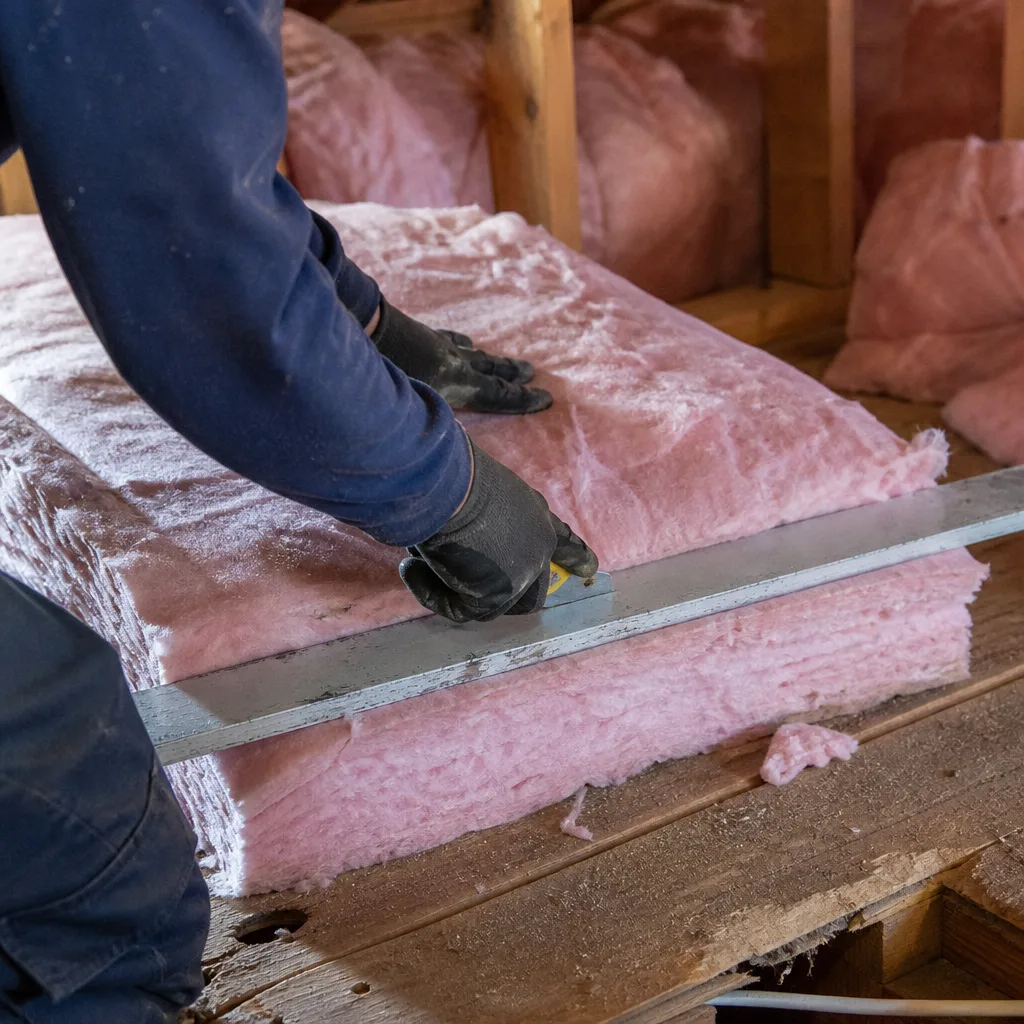
Air sealing and spray foam installation. Technicians seal top plates, penetrations, and rim joists per the blower-door findings, then apply spray foam to the specified depth. We photograph every critical layer: substrate condition, foam pass thickness, final cured surface.
- 5
Post-job blower-door test and documentation. We run the depressurization test again, record the new CFM50, and deliver your written report: pre- and post-readings, R-values achieved, photos of every sealed penetration, and the 365-Day Done Right Promise in writing.
What Rockwool Spray Foam Insulation Costs in Torrance
Most Rockwool spray foam insulation jobs in Torrance fall in these ranges based on what we’ve completed since 2016:
- Open-cell spray foam attic (1,200-1,800 sq ft): $3,800-$5,400
- Closed-cell rim joist (typical 1,500 sq ft home): $2,200-$3,600
- Garage ceiling retrofit (2-car, Rockwool removal + foam): $2,800-$4,200
- Roof deck closed-cell (complete Rockwool board replacement): $5,500-$8,900
- AFB evo removal, air sealing, and reinstall: $1,800-$3,200
What moves the price: accessibility of the work area, whether existing Rockwool requires hazardous-material handling, sheathing moisture damage from prior failed installs, and whether the job requires hybrid systems with Reflectix or other multi-brand layering. We provide a Free Second Opinion on any written estimate you’ve already received - bring us the competing quote and we’ll read it with you. Call (424) 704-9866 for your flat-price estimate; estimates are free.
Why Torrance Homeowners Call Topside Attic Insulation Torrance for Rockwool Work
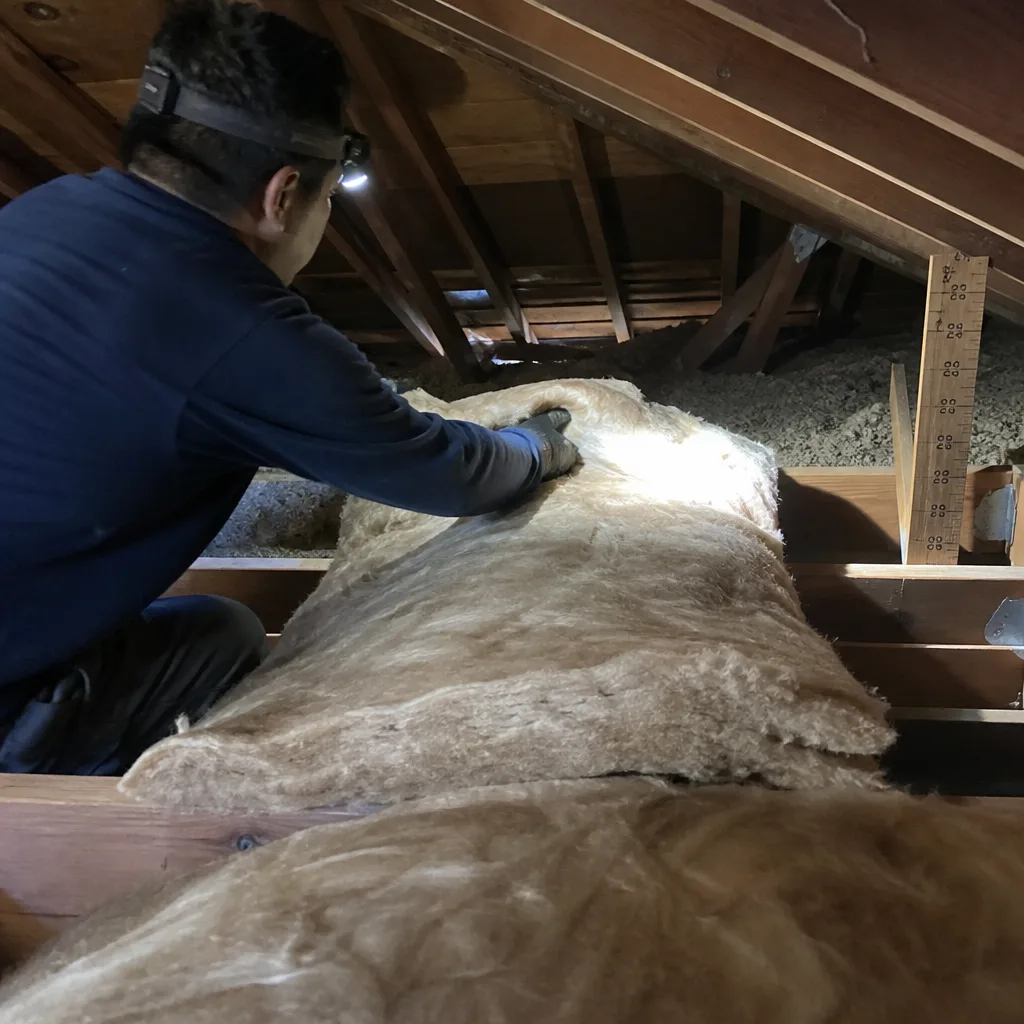
We’ve sealed and insulated over 9,000 homes since 2016, and the Torrance jobs stick in memory - the Del Amo attic where we pulled three layers of misinstalled batts out of a 1962 ranch, the hillside home near Palos Verdes Boulevard where Comfortboard 110 had turned to wet mush against a south-facing deck. Wes Okafor runs every diagnostic personally when he’s on crew rotation, and our technicians are background-checked, uniformed, and trained on Rockwool’s specific failure modes, not generic “insulation repair.” We source materials from Owens Corning, Johns Manville, Knauf, Rockwool, CertainTeed, Icynene, Demilec, and GreenFiber - no proprietary lock-in means we specify what actually fixes your assembly, not what moves our inventory. The 365-Day Done Right Promise applies to every completed job, and your Documented Photo Record is included, not available on request.
FAQs
Rockwool’s product warranty covers manufacturing defects in the original material, not installation methods or adjacent materials added later. As an independent Rockwool service provider with no manufacturer authorization, we design our spray foam applications to avoid compromising any remaining Rockwool warranty coverage by not altering factory-conditioned products where they remain in place. Call (424) 704-9866 and we’ll review your specific product line and installation history.
Closed-cell spray foam with an intumescent coating can achieve comparable fire resistance to Rockwool’s non-combustible mineral wool in most residential applications, but the assembly rating depends on the complete system - gypsum layer, ignition barrier, and foam density - not the foam alone. We specify the exact assembly rating in your written scope before work starts.
Repair is cheaper when the Rockwool is dry, properly placed, and the only problem is air leakage around it - typically $1,800-$3,200 to seal and supplement. Replacement makes sense when the material is moisture-compromised, compressed below labeled R-value, or installed in an assembly that never had an air barrier. We give you both numbers in writing and let the blower-door test break the tie.
Most residential conversions in Torrance run two to three days: one day for removal and air sealing, one day for foam application and cure, and a half-day for trim, testing, and documentation. Larger roof-deck jobs or homes with active moisture issues may extend to five days. Same-week scheduling is typical; call (424) 704-9866 to confirm current availability.
We do not stock Rockwool products for resale; we source insulation and foam materials from our supplier network including Owens Corning, Johns Manville, Knauf, Rockwool, CertainTeed, Icynene, Demilec, and GreenFiber based on what your specific assembly requires. For warranty-sensitive Rockwool components, we document the source lot and installation conditions so any future claim has a clear paper trail.
Written by Wes Okafor, Owner & Lead Insulation Technician, Topside Attic Insulation Torrance at Topside Attic Insulation Torrance, serving Torrance and nearby areas.