
Reflectix Insulation in Redondo Beach, CA | Topside Attic Insulation Torrance
Reflectix radiant barrier service in Redondo Beach typically runs $1,800-$3,400 for a complete attic retrofit, with most jobs completed in a single day. The critical difference here is marine-layer moisture management: without a vented air gap and proper vapor strategy, Reflectix foil stapled to roof decking in Redondo Beach traps humidity against sheathing and corrodes within seasons. We install Reflectix as one component of a moisture-managed assembly, never as a standalone fix. Call (424) 704-9866 for a free estimate with written pricing before any work starts.
Why Redondo Beach Residents Choose Us for Reflectix Service
We’ve worked with Reflectix products across the South Bay since 2016, and we’ve learned where the foil actually earns its keep and where it becomes a liability. In Redondo Beach specifically, that means understanding the difference between a radiant barrier that reflects afternoon solar gain and one that turns into a vapor trap against damp roof decking.
Wes Okafor, our owner and lead technician, trained in building systems technology at Olive-Harvey College in Chicago before spending nearly two decades on insulation and air-sealing jobs across Southern California. He grew up on the South Side, where winters made clear that a poorly sealed envelope isn’t a comfort problem - it’s a physics problem. That background shows up in how we sequence work here: blower-door depressurization test first, then air sealing of top plates and penetrations, then insulation - including Reflectix radiant barrier where the assembly calls for it. “Seal the leaks first. The insulation’s just holding the work in place.”
We stock genuine Reflectix rolls and foil tapes locally because the perforated versus non-perforated choice changes how the product handles vapor in coastal assemblies. Off-brand bubble foil with thinner aluminum facing corrodes faster in Redondo Beach’s salt air. Every job closes with a Documented Photo Record and, on applicable work, before-and-after blower-door readings in CFM50 so you can verify the air-sealing result yourself.
Common Reflectix Insulation Problems We Solve in Redondo Beach
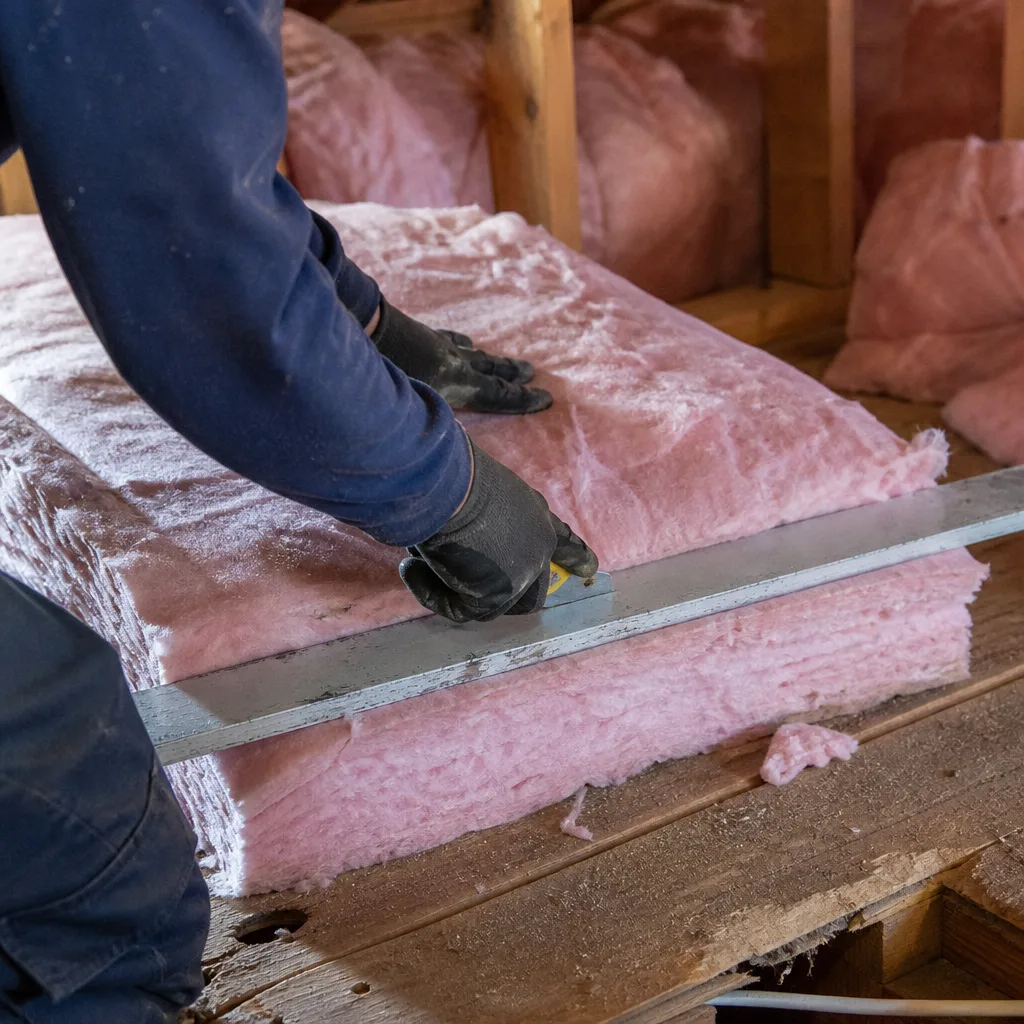
- Foil-to-deck contact with no air gap: Reflectix radiant barrier rolls stapled directly against roof decking in South Redondo and Hollywood Riviera homes lose their reflective performance through conduction and trap marine-layer moisture against sheathing. We see this on homes near the Esplanade where previous installers treated radiant barrier like wallpaper.
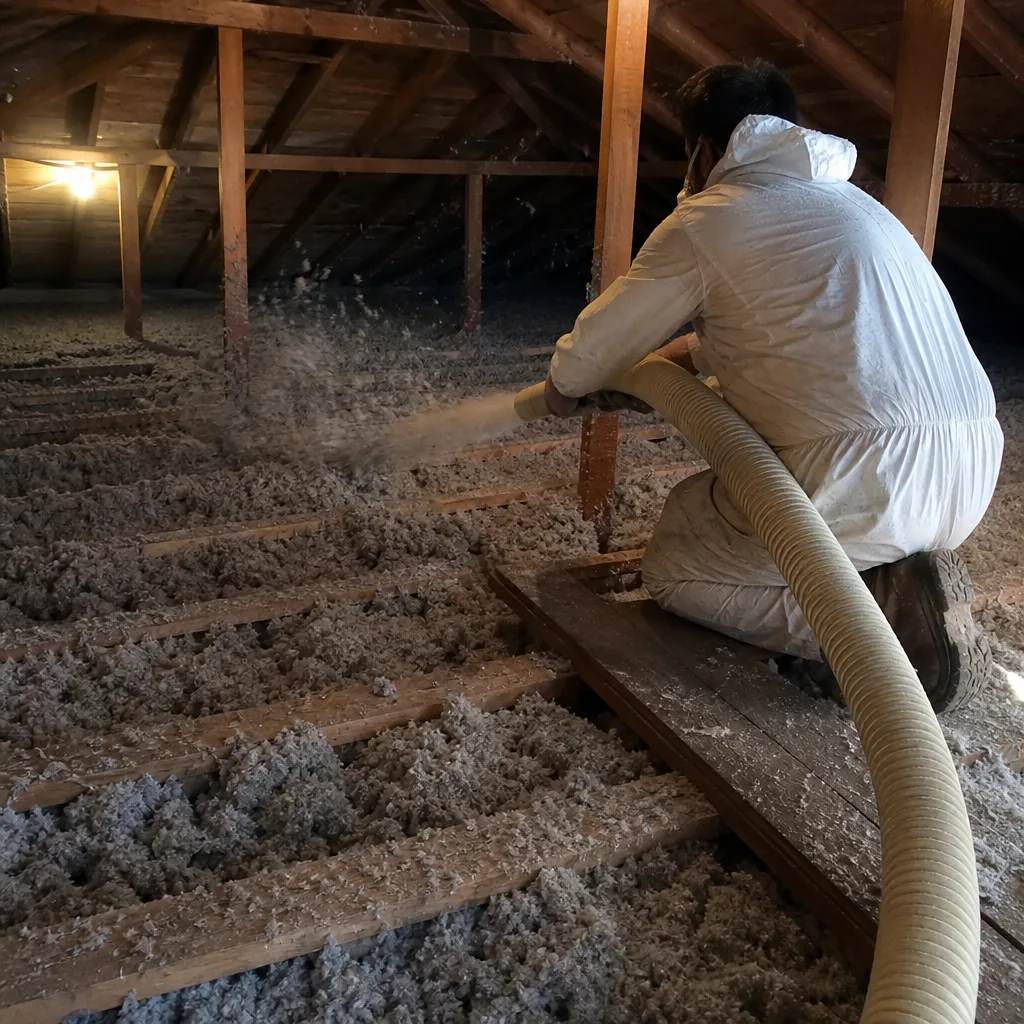
- Bubble-pack substituting for real R-value: In 1950s-1970s North Redondo tract houses, Reflectix bubble foil was sometimes installed as the only attic insulation. It reflects radiant heat but does nothing for conductive and convective losses - the actual problem in those minimally insulated attics. We pair Reflectix with blown-in cellulose or spray foam where the thermal math demands it.
- Salt-air corrosion and delamination: The reflective aluminum surface on Reflectix products pits and separates along roof-deck staples in oceanfront homes near King Harbor. What started as a shiny radiant barrier becomes a dull, non-reflective sheet within a few seasons. We use heavier-gauge genuine Reflectix facing and proper fastening methods to slow this degradation.
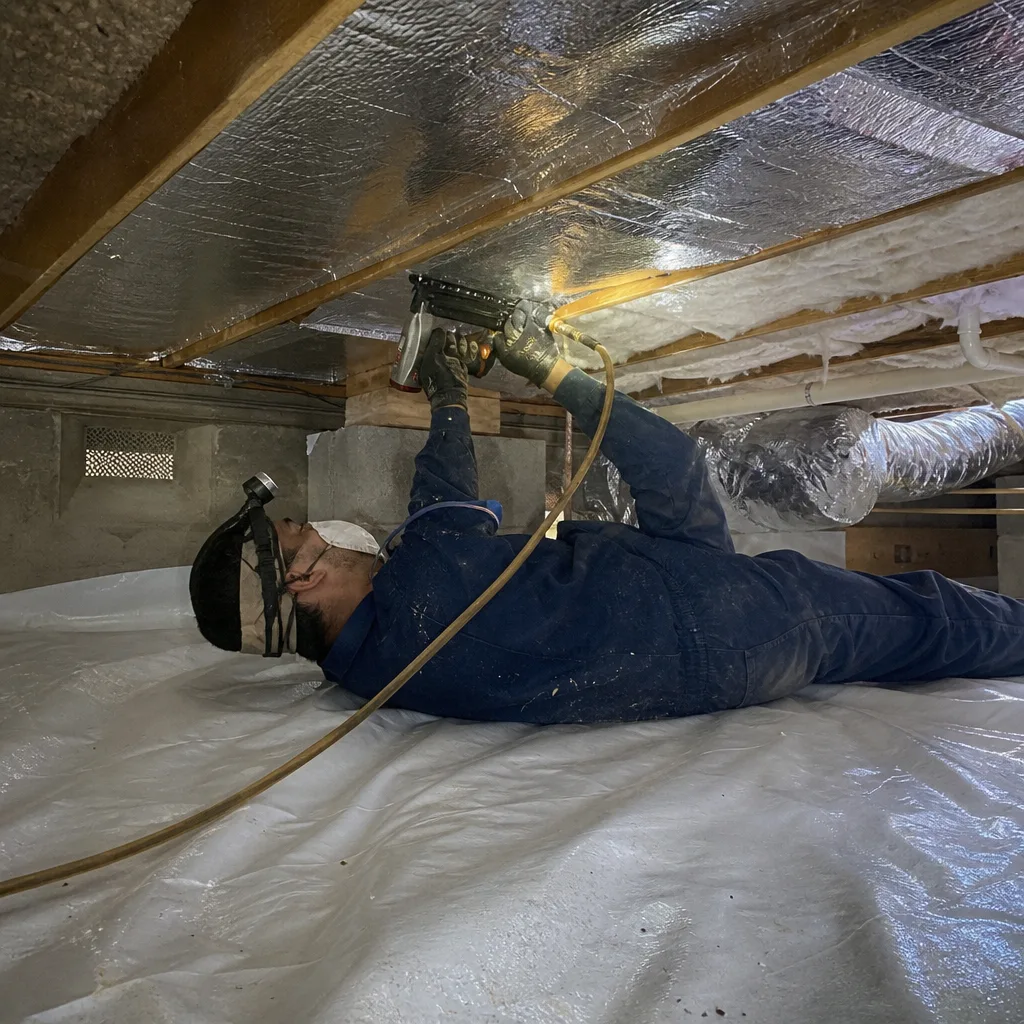
- Vapor-trapping wall and floor assemblies: In Hollywood Riviera hillside homes, Reflectix foil faced toward the interior of crawlspace floor cavities seals humidity inside the assembly. Cold framing condenses moisture year-round, producing the persistently cold floors that brought the homeowner to call us in the first place.
- Non-perforated foil in unvented cavities: Standard Reflectix without perforation installed in enclosed Redondo Beach wall or roof assemblies creates a vapor barrier where one wasn’t designed. California Title 24 now forces insulation retrofits in this stock, but the coastal humidity means vapor strategy - not just R-value - controls whether the job succeeds.
Reflectix Service in Redondo Beach: What Local Conditions Mean for Your Equipment
Redondo Beach’s persistent marine layer and year-round ocean humidity create an insulation paradox that shapes every Reflectix decision we make here. Homes were built with minimal insulation because mild coastal temperatures made it seem unnecessary, but retrofitting with standard fiberglass batts in this moisture-laden, salt-air environment risks mold and material degradation without rigorous vapor management. That makes closed-cell spray foam or carefully vapor-open solutions the coastal-job standard in a way that simply doesn’t apply a few miles inland in Torrance or Hawthorne.
For Reflectix specifically, this paradox plays out on the roof deck. Redondo Beach’s marine layer keeps sheathing cool and damp most mornings, so a Reflectix radiant barrier stapled to the underside of roof decking here can trap that moisture against the wood. In South Redondo and the Hollywood Riviera hillside, we build in a vented air gap and baffle path before any foil goes up. The alternative - what we find on too many existing jobs - is delaminating foil, stained sheathing, and a homeowner wondering why their “energy upgrade” produced mold concerns.
This coastal-specific radiant barrier strategy is what generic Reflectix pages and generic Redondo Beach insulation pages both miss. We’re not authorized by Reflectix. We’re an independent contractor that has learned, through repeated jobs in this specific environment, where the product belongs and where it doesn’t.
Reflectix Models & Products We Service in Redondo Beach
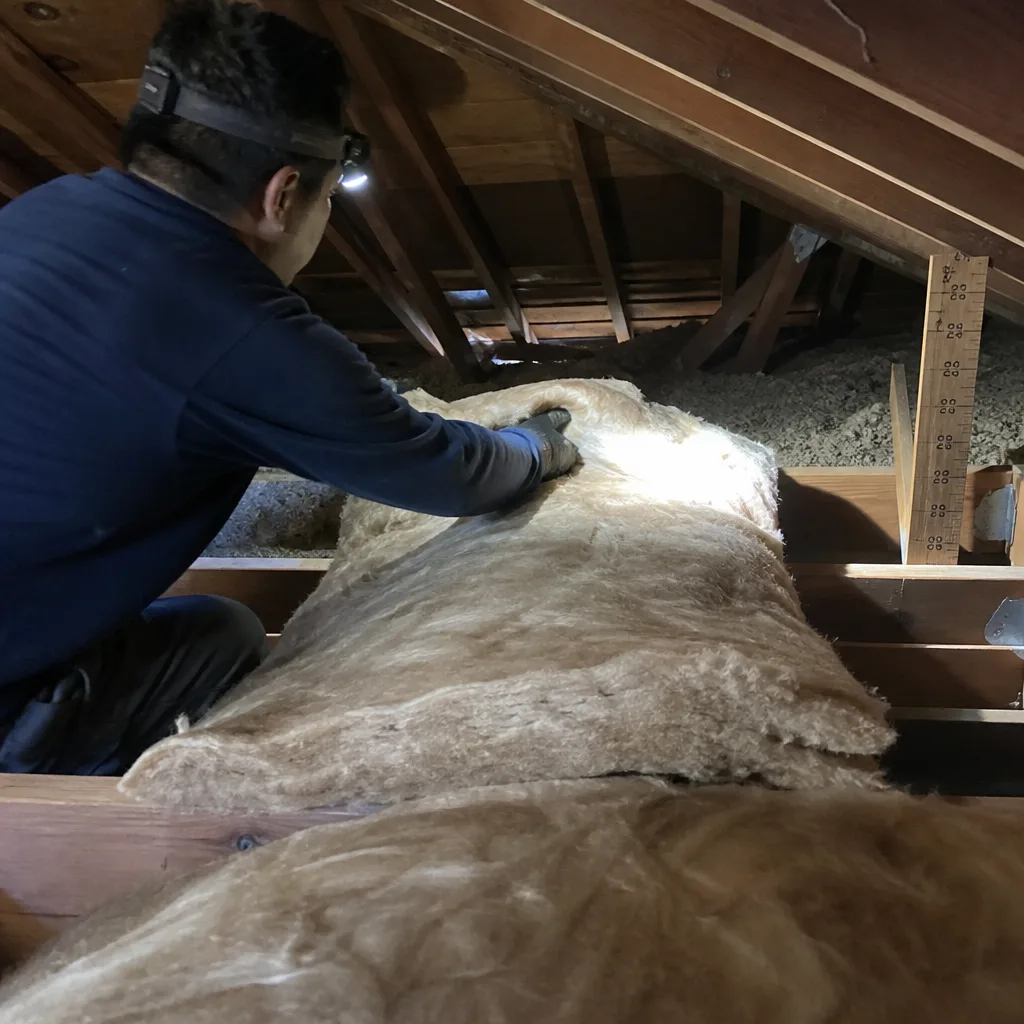
We work with the full Reflectix product line relevant to residential envelope work: Double Reflective Insulation Roll in 16-inch and 24-inch widths (the bubble-pack foil commonly found in existing Redondo Beach attics); Double Reflective Foil Insulation with white poly exterior from the BPW Series (occasionally used in garage or outbuilding applications); Reflective Foam Core Insulation in R-8 and R-21 foil-faced rolls (higher-R assemblies, rarely seen in original 1950s-1970s local stock); and perforated radiant barrier rolls for roof decking, the product we specify most often for proper marine-layer installations.
Our stance is straightforward: Reflectix is a radiant barrier, not a thermal blanket. We recommend it as an addition to blown-in or our Spray Foam Insulation in Redondo Beach attics, and we’ll tell a homeowner when a Reflectix retrofit alone won’t solve their problem. We stock genuine Reflectix perforated and non-perforated rolls locally for same-day replacement, and we match OEM tape and fastening systems rather than substituting generic hardware that fails faster in salt air.
Reflectix Service Pricing in Redondo Beach
Most Reflectix radiant barrier installations in Redondo Beach run between $1,800 and $3,400 for a typical single-family attic, with smaller condo applications in the $1,200-$1,900 range. What drives the cost: square footage of roof deck or attic floor to be covered; whether we’re removing failed existing material first; whether the job requires baffle installation and air-gap framing to vent moisture properly; and whether we’re pairing Reflectix with blown-in insulation or spray foam for the conductive R-value the assembly actually needs.
Every estimate includes a written price before any work starts - Haven Standard Clause 1 - plus a free second opinion on any competing written quote you bring us. We also deliver a Documented Photo Record on every visit, including blower-door readings before and after air sealing where applicable. Call (424) 704-9866 for an exact quote; estimates are free and carry no obligation.
Serving Redondo Beach, CA - Our Local Coverage Area
We’re based in the Redondo Beach area and know this community well, which is why Redondo Beach Attic Insulation is our specialty. Use the map below to see our service coverage - if you’re nearby, we can almost certainly help.
FAQs - Reflectix Insulation in Redondo Beach
Reflectix works as a radiant barrier in Redondo Beach attics, reducing radiant heat transfer from hot roof decking, but it does not provide meaningful conductive R-value on its own. In the 1950s-1970s tract homes that dominate North Redondo, we pair Reflectix with blown-in cellulose or spray foam because the original construction lacked the thermal barrier needed for actual temperature control. Call (424) 704-9866 and we’ll run the load calculation for your specific assembly.
Salt-air corrosion pits the aluminum facing on Reflectix products installed within a few miles of the Pacific, particularly in oceanfront homes near the Esplanade and King Harbor. The corrosion accelerates where staple penetration breaks the factory seal, allowing salt-laden moisture to wick under the foil facing. We use heavier-gauge genuine Reflectix material and minimize fastener penetration, or we specify alternative radiant barrier strategies for the most exposed installations.
We generally do not install Reflectix in Hollywood Riviera crawlspace floors because the foil facing, if oriented toward the interior, creates a vapor trap in the chronic humidity that funnels up the hillside from the Pacific. The correct treatment for cold floors in those 1950s-1960s hillside homes is closed-cell spray foam or a properly vented, vapor-open assembly - not a reflective surface that seals moisture against cold framing. We’ve pulled too many failed foil installations from those crawlspaces to recommend repeating the mistake.
Perforated Reflectix is almost always the right choice for Redondo Beach attic applications because the marine layer keeps roof assemblies damp enough that a true vapor barrier (non-perforated) risks trapping moisture. The exception: unvented cathedral ceilings or specific conditioned attic designs where a deliberate vapor barrier is part of the engineered assembly. We make the perforated versus non-perforated call based on your specific roof ventilation and the moisture readings we take during the estimate.
Correct Reflectix installation requires three visible elements: an air gap of at least 3/4 inch between the foil and the roof deck or wall surface; proper orientation of the reflective surface toward the air space (not in direct contact with another material); and appropriate perforation for the vapor strategy of the assembly. In Redondo Beach, we also look for evidence of salt corrosion, staple tear-out, and moisture staining on sheathing beneath the foil. Call (424) 704-9866 for a free inspection - we’ll document what we find and give you a written assessment.
Service Areas Near Redondo Beach
We provide Reflectix sales & service throughout the South Bay, with our Redondo Beach service area covering the full city from the Esplanade waterfront to North Redondo and the Hollywood Riviera hillside. Nearby communities we serve include Reflectix service in Lomita, Reflectix service in Torrance, plus Lawndale, Gardena, and Manhattan Beach. Each area gets the same written-price-first approach and documented completion record.
Book Your Reflectix Service in Redondo Beach Today
Call (424) 704-9866 to schedule your free Reflectix estimate in Redondo Beach. A live person answers 24/7. We’ll provide a written price before any work starts, document every step with photos, and back the completed job with our 365-Day Done Right Promise. Same-day service is often available for urgent moisture or corrosion issues.
Written by Wes Okafor, Owner at Topside Attic Insulation Torrance, serving Redondo Beach since 2016.