
Icynene Vapor Barrier Installation: The Torrance Owner’s Guide
Most Icynene vapor barrier installations in Torrance run between $2,800 and $5,400 for a full crawl space or attic application, depending on square footage and whether we’re sealing over existing poly or starting from bare soil. We stock Icynene-compatible 6-mil and 10-mil reinforced polyethylene barriers on every truck, and we can usually schedule within 48 hours. Homeowners typically notice the problem first as a musty smell rising through floor registers, or they spot condensation droplets clinging to the underside of their existing barrier during a rare Torrance winter cold snap.
Which Icynene Models This Applies To
Icynene doesn’t sell a standalone “vapor barrier” under its own label, but the open-cell and closed-cell spray foam systems installed under the Icynene name, particularly the LD-C-50 open-cell and MD-C-200 closed-cell lines common in South Bay homes built 2010 to 2020, require a properly spec’d polyethylene ground cover or wall barrier to meet California Title 24 moisture control standards. The compatibility issue isn’t with the foam itself, it’s with what goes underneath or behind it.
Here’s how to identify what you’ve got: crawl into the space and look for a white or yellow label on the spray foam substrate, usually stamped near the sill plate. LD-C-50 runs softer to the touch, rebounds when pressed; MD-C-200 feels rigid, like stale bread. The existing vapor barrier, if there is one, should be 6-mil minimum per California code, but we’ve pulled up plenty of 3-mil builder-grade poly in the Del Amo area that shredded within five years. OEM-spec barrier for Icynene applications is a cross-laminated polyethylene, but we also install reinforced woven poly from Johns Manville and CertainTeed that meets the same perm rating, 0.1 perms or less, at roughly 15% lower material cost. The gotcha: Icynene’s closed-cell foam already acts as a vapor retarder at thicknesses above two inches, so adding a separate barrier on the warm side can trap moisture. We test with a moisture meter first. Topside Attic Insulation Torrance is an independent service provider, not affiliated with Icynene.
Signs Your Icynene Vapor Barrier Installation Is Failing
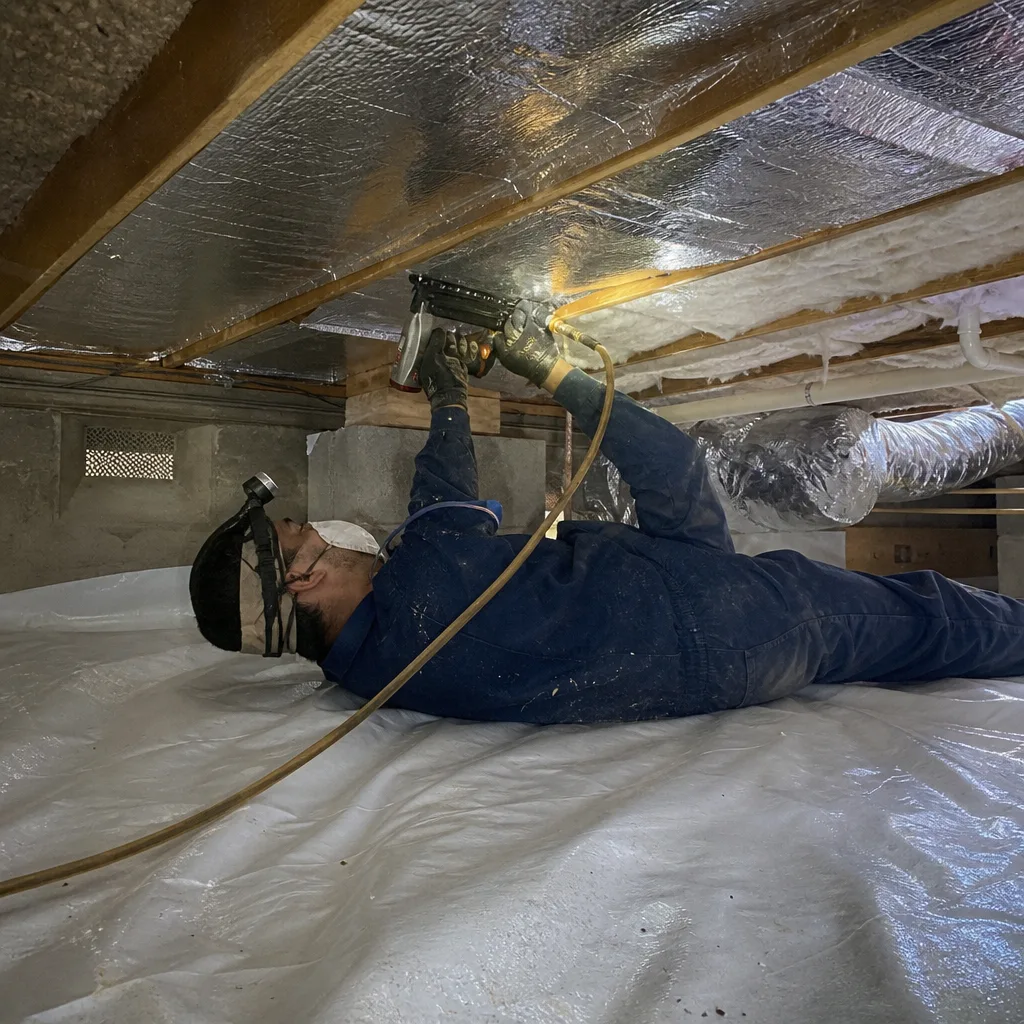
- Condensation beading on the barrier underside. This means warm, humid air is hitting the cool poly surface and reaching dew point. In Torrance’s marine climate, this happens most February mornings when soil temperatures lag behind ambient air by ten to fifteen degrees. The barrier’s doing half its job, but without proper perimeter sealing, moisture migrates right past the edges.
- Musty odors that worsen after rain. Icynene foam is hydrophobic, but it’s not a drainage plane. When the ground cover tears at seams or pierces around plumbing penetrations, soil gas and spores rise through gaps. We’ve found this exact pattern in a row of townhomes near Torrance Boulevard where the original installer ran poly wall-to-wall without taping seams.
- Soft or discolored spots on the barrier surface. These are early-stage mold colonies feeding on organic dust that settled before the barrier went down. The barrier itself is inert polyethylene, but it’s a Petri dish if the prep was rushed. In coastal Torrance, we see this accelerate within three years when installers skip the dehumidification phase.
- Visible gaps at piers, plumbing, or foundation walls. Poly should extend six inches up walls and piers, sealed with acoustic sealant or butyl tape. Gaps here are installation defects, not material failures, but they’re the most common call we get. The Icynene foam above may be perfect; the ground cover below is the weak link.
- Increased energy bills with no other explanation. A compromised vapor barrier raises indoor humidity, which makes your HVAC work harder to maintain setpoint. We measure this with a blower-door depressurization test, a diagnostic that shows, in one number, how much conditioned air your building envelope is losing. Post-repair, homeowners in the Hollywood Riviera section typically see CFM50 drops of 800 to 1,200.
Replacement Cost & What’s Included
For a typical Torrance crawl space, 1,000 to 1,500 square feet:
| 6-mil reinforced polyethylene barrier, full coverage | $1.40-$2.10/sq ft |
| 10-mil cross-laminated barrier, high-traffic or rodent-prone areas | $2.20-$3.40/sq ft |
| Perimeter sealing to walls and piers, acoustic sealant | $380-$620 |
| Plumbing/penetration boots and seam tape | $180-$340 |
| Labor, debris removal, final moisture meter verification | $1,200-$2,100 |
Total installed range: $2,800-$5,400. What drives the spread is access height, existing debris load, and whether we need to install a sump pit or dehumidifier tie-in. Every job gets a Written Price Before Any Work Starts, always, under Haven Standard Clause 1. The 365-Day Done Right Promise covers seam separation, sealant failure, or any moisture reading above 60% relative humidity post-install. We also stock Reflectix radiant barrier products for the same homes, if your attic needs attention too.
DIY or Call Us?
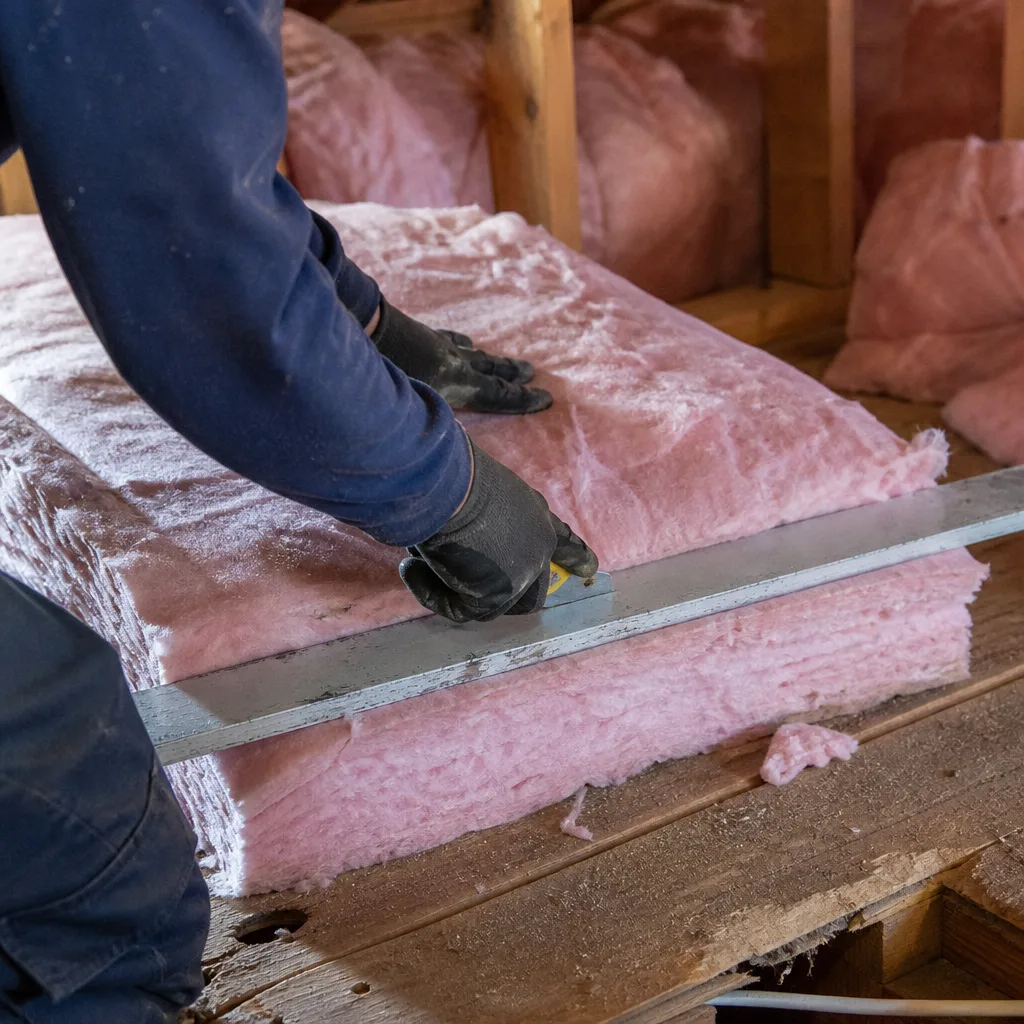
You can safely check a few things: measure your crawl space square footage, photograph any label residue on existing foam, and note where plumbing or piers penetrate the current barrier. What you shouldn’t do is crawl around cutting and taping poly in a confined space with limited ventilation, especially if mold is visible. The 6-mil and 10-mil rolls are unwieldy, 10 by 100 feet, and proper overlap requires 12-inch seams with pressure-sensitive tape, not duct tape from the garage. More critically, if your Icynene foam is closed-cell and already two inches thick, adding a vapor barrier on the wrong side traps moisture against framing. We’ve been called to Torrance homes where well-meaning owners created rot conditions that didn’t exist before. Seal the leaks first. The insulation’s just holding the work in place. For a written scope and upfront price, call (424) 704-9866.
FAQs
A properly installed 10-mil cross-laminated barrier should last 15 to 20 years in Torrance’s climate, though we’ve replaced 6-mil builder-grade poly in as little as four years in damp coastal pockets near the beach. The barrier itself doesn’t degrade from UV, it’s mechanical damage and seam failure that end it early. Call (424) 704-9866 for a free moisture assessment and exact quote.
Patching works for isolated punctures smaller than a fist using compatible polyethylene tape, but if you’re seeing widespread condensation, seam gaps, or mold staining, the labor to patch exceeds replacement cost and doesn’t solve the underlying moisture source. We evaluate this on every site visit and tell you straight which path saves money. Estimates are free, call (424) 704-9866.
Most residential crawl spaces in Torrance take one to two days: half a day for prep and debris removal, half to full day for laying, sealing, and verification. Larger homes in the Hillside area, or those requiring dehumidifier integration, may run into a third day. You’ll get a written schedule with your price before anyone arrives.
Yes, we carry 6-mil and 10-mil reinforced polyethylene rolls, acoustic sealant, butyl tape, and penetration boots on every vehicle. For same-day emergency situations, flooding or visible mold bloom, we can usually dispatch within 24 hours. Call (424) 704-9866 to confirm current truck stock.
Ready to stop the moisture at its source? Call (424) 704-9866 for a free estimate with written pricing, or text us photos of your crawl space and we’ll reply with a preliminary scope. Every job includes a Documented Photo Record and, where applicable, before-and-after blower-door readings so you can verify the air-sealing result yourself. Live person answers 24/7.
Written by Wes Okafor, Owner & Lead Insulation Technician, Topside Attic Insulation Torrance at Topside Attic Insulation Torrance, serving Torrance and nearby areas.