
Icynene Radiant Barrier Installation: The Torrance Owner’s Guide
Most Icynene radiant barrier installations in Torrance run between $2,400 and $4,200 for a typical 1,200-2,000 square foot attic, including the foil-faced insulation assembly, mechanical fastening to roof deck or rafters, and integration with your existing Icynene spray foam layer. We stock Icynene-compatible radiant barrier components on every truck and can usually inspect and quote same-day. Homeowners usually notice the problem when their second-story rooms won’t cool below 78°F even after sunset, or when their summer electric bills jump $80-$150 despite the AC running constantly.
Which Icynene Models This Applies To
Icynene doesn’t manufacture a standalone radiant barrier product. What we’re installing is a radiant barrier assembly designed to work with existing Icynene open-cell or closed-cell spray foam systems, typically found in attics where Icynene LD-C-50, Icynene Classic Plus, or Icynene ProSeal Eco was applied to the roof deck or top plates between 2010 and 2020. The compatibility issue isn’t the foam chemistry - it’s the substrate. Icynene open-cell foam on a roof deck in Torrance’s marine climate can hold moisture if the vapor drive isn’t managed, and a radiant barrier retrofit has to account for that.
To identify what you have, check the spray foam surface for the Icynene lot number sticker, usually found on a tag near the attic access hatch or on the original invoice. The critical measurement is the existing foam thickness: 3.5 inches indicates open-cell (R-13.4 nominal), 2 inches suggests closed-cell (R-14 nominal). We match the radiant barrier fastening method to that substrate. For Icynene open-cell installations, we use a vented air gap assembly - 3/4-inch minimum between the foil face and the foam - to prevent trapping coastal moisture against the foam surface. Closed-cell substrates can accept a direct-contact application.
We source our radiant barrier materials from Icynene’s approved distribution channel as well as from Owens Corning and Johns Manville, with no proprietary lock-in. Topside Attic Insulation Torrance is an independent service provider, not affiliated with Icynene.
Signs Your Icynene Radiant Barrier Installation Is Failing
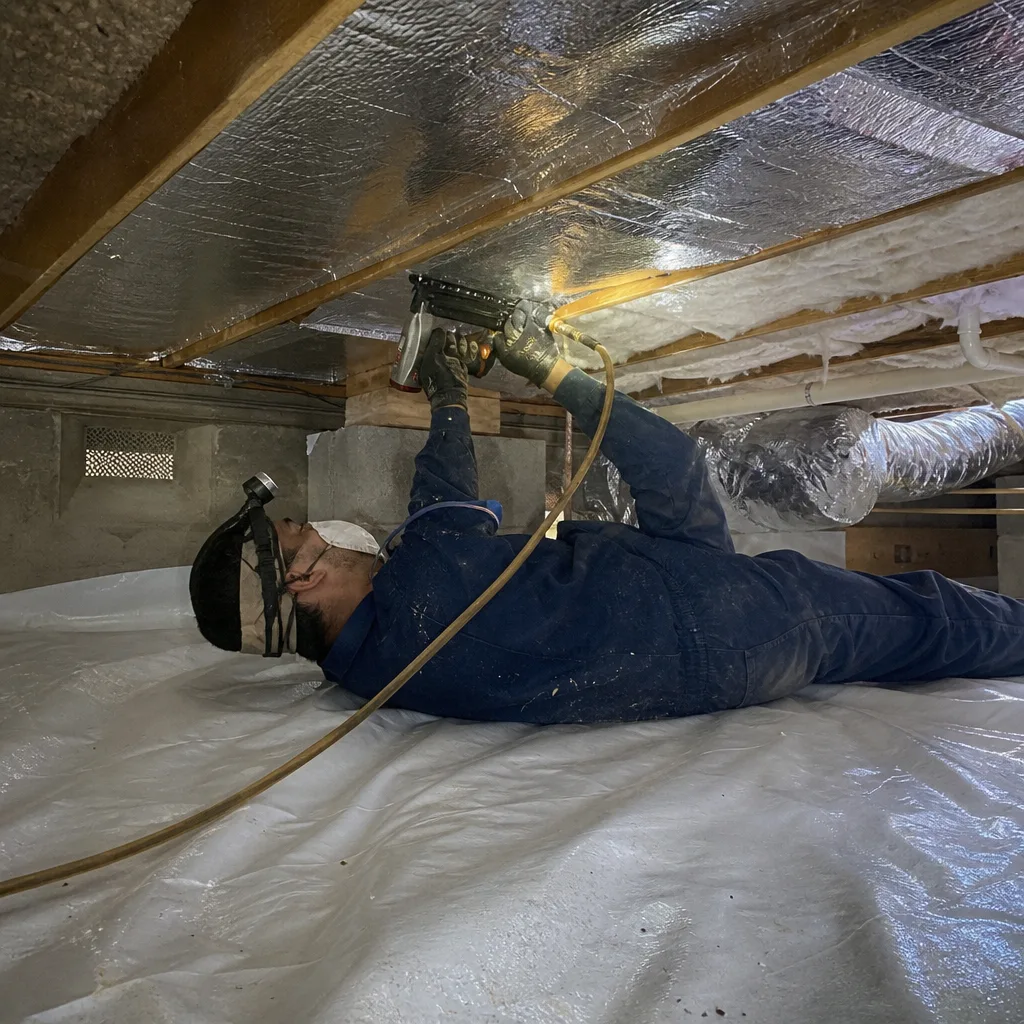
- Second-floor rooms stay hot past 9 PM. The radiant barrier’s foil surface has oxidized, degraded, or pulled away from the fasteners, losing its ability to reflect infrared heat back toward the roof deck. In Torrance’s South Bay climate, that reflected heat load is what keeps your ceiling from becoming a radiator after sunset.
- Summer electric bills spike 25-40% year-over-year with no rate change. Your AC is compensating for radiant heat gain that the barrier used to block. The blower-door test we run before any work will show whether the problem is barrier failure, air leakage, or both - because a failed barrier plus leaky top plates is a compound problem, not either/or.
- Visible sagging, tearing, or dust accumulation on the foil face. Dust destroys reflectivity. A clean foil surface reflects up to 97% of radiant heat; a dusty one drops below 50%. Sagging usually means the original installer used inadequate staples or wrong spacing for the substrate.
- Water staining on the radiant barrier or adjacent drywall. This indicates a vapor drive problem, not a barrier problem - but the barrier installation may have blocked the drying path your Icynene assembly needs. In the Del Amo area and near Torrance Beach, we see this where marine air meets attic heat.
- The barrier was installed over unsealed can lights or top plates. This isn’t barrier failure; it’s sequence failure. A radiant barrier over a leaky ceiling is like a raincoat with holes. We find this in about 30% of Torrance retrofits we inspect.
Replacement Cost & What’s Included
| Component | Typical Range (Torrance) |
|---|---|
| Radiant barrier material (foil-faced, perforated for vapor permeability) | $0.85-$1.40/sq ft installed |
| Mechanical fastening system (staples, cap nails, or strapping per substrate) | $0.30-$0.55/sq ft |
| Air gap framing (if required for Icynene open-cell compatibility) | $1.20-$1.80/sq ft |
| Attic air sealing (top plates, can lights, penetrations - Haven Standard prerequisite) | $450-$890 (typical 1,500 sq ft attic) |
| Before-and-after blower-door test with written report | Included |
| Documented Photo Record | Included |
What drives the range: attic square footage, roof pitch (steeper = slower work), whether we need to build a vented air gap for your Icynene substrate type, and the condition of existing air sealing. A 1,600 sq ft attic with 6/12 pitch, Icynene closed-cell substrate, and already-sealed top plates lands near $2,600. The same attic with open-cell foam needing a 3/4-inch vented gap assembly, plus unsealed can lights and plumbing chases, pushes toward $4,000.
Every job gets a Written Price Before Any Work Starts - Haven Standard Clause 1 - and the 365-Day Done Right Promise. We also provide a Free Second Opinion on any written estimate you’ve already received.
DIY or Call Us?
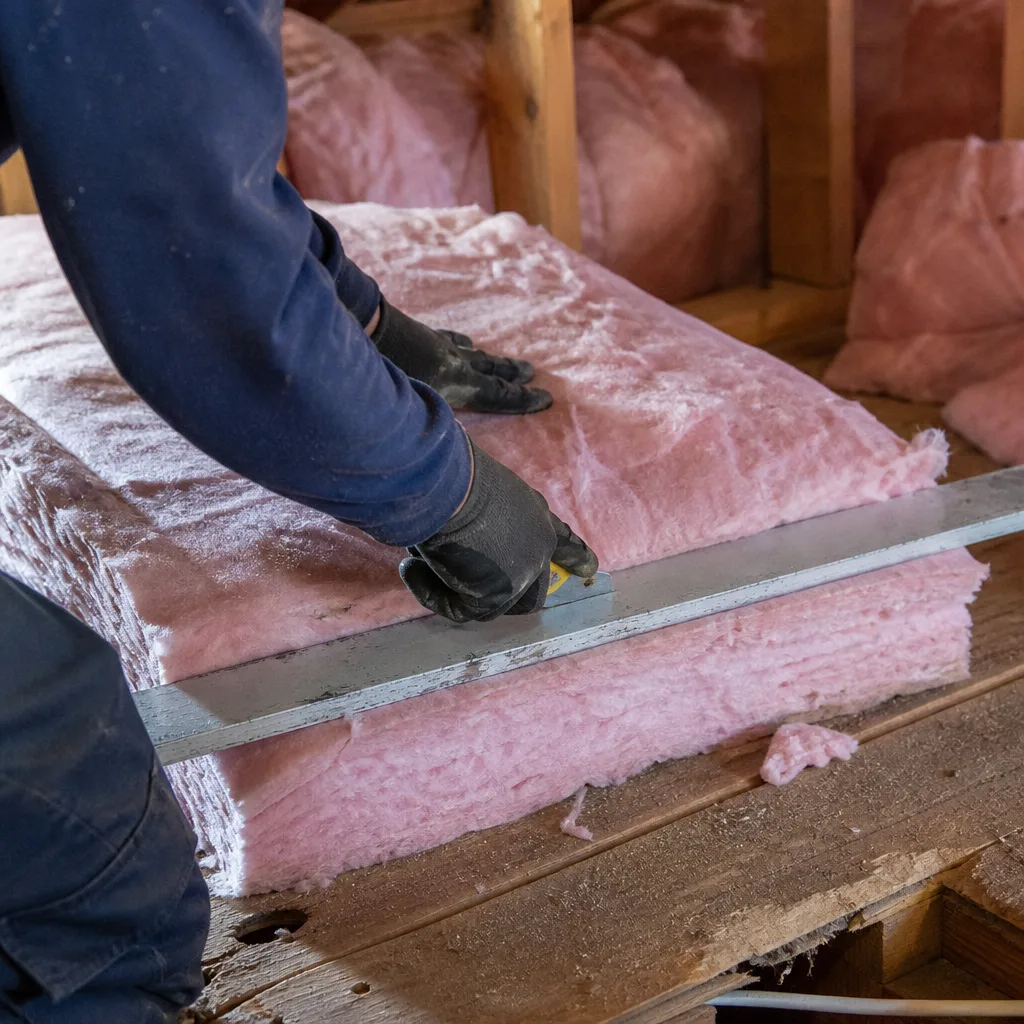
Here’s what you can safely check yourself: confirm your Icynene foam type (lot number tag, thickness measurement), look for visible sagging or tearing from the attic hatch with a flashlight, and note whether your can lights are IC-rated or have visible gaps around the housing. Do not walk the attic if you can’t see the joist path clearly - Torrance homes built 1950-1980 often have irregular framing and hidden gaps between batts.
Where DIY goes wrong: radiant barrier installation looks simple but fails fast when the fastening pattern is wrong for the substrate, the air gap is omitted on open-cell foam, or the vapor permeability isn’t matched to the assembly. We’ve pulled out homeowner-installed barriers in the Hollywood Riviera and Walteria neighborhoods where the foil was installed upside-down (emissive side in, not out), or where unsealed top plates turned the barrier into a moisture trap. The work isn’t high-tension dangerous, but the building science sequence matters. Seal the leaks first. The insulation’s just holding the work in place.
Call (424) 704-9866 for a free estimate. We’ll run the blower-door test, show you the photos, and give you a written price before anyone lifts a tool.
FAQs
In Torrance’s marine climate, a properly installed radiant barrier lasts 15-25 years if the attic stays dry and the foil face stays clean. The coastal salt air doesn’t directly attack aluminum foil, but dust accumulation from Santa Ana wind events will degrade reflectivity over time. We see premature failure - 8-12 years - where the barrier was installed without air sealing, because airborne dust pulls through gaps in the ceiling plane. Call (424) 704-9866 for an inspection and exact condition report.
Localized re-stapling of sagging sections is possible if the foil is undamaged and the original fastening failed due to staple pull-out, not substrate degradation. We don’t recommend patching over more than 20% of the surface - the thermal performance becomes unpredictable, and the patched areas create stress points for further failure. In most Torrance inspections, we find the barrier plus the air sealing underneath both need attention, making full replacement the better value. Call (424) 704-9866 and we’ll show you the photos before you decide.
Most residential attic installations in Torrance take one full day for a crew of two, or two days if we’re also air-sealing top plates, can lights, and plumbing chases before the barrier goes in. We won’t skip the sealing step to save time - Haven Standard requires it, and our blower-door test proves why. You’ll get a text when the crew is on the way, and a Documented Photo Record before they leave.
Yes. We carry perforated foil radiant barrier, cap-nail fastening systems, and 3/4-inch polypropylene spacers for vented air gap assemblies on every truck serving Torrance and the Beach Cities. For Icynene-specific compatibility questions - substrate type, vapor permeability requirements, or integration with existing foam - Wes Okafor reviews every scope before scheduling. We also stock Reflectix radiant barrier products for homeowners with mixed insulation systems.
Written by Wes Okafor, Owner & Lead Insulation Technician, Topside Attic Insulation Torrance at Topside Attic Insulation Torrance, serving Torrance and nearby areas.