
Last updated September 24, 2026
Insulation Permits, Codes & Inspections in CA: What You Need to Know
An insulation job completed without a required permit in California is a disclosed defect at resale. A buyer’s inspector who flags it can force the seller to open walls for retroactive inspection. The permit fee is typically $150-$300; the retroactive compliance cost can run $3,000-$8,000. In Torrance, we’ve seen this scenario play out in the Southwood Riviera and Walteria neighborhoods where homeowners added spray foam or raised attic R-values during a remodel, skipped the permit to save two weeks, and faced a re-inspection demand at closing five years later. This guide maps exactly when a permit is legally required in Los Angeles County, what Title 24 documentation you should receive, and how to verify a property’s permit history before you hire or buy. For Insulation Warning Signs: A Torrance Homeowner’s Reference Guide, see our companion resource.
Quick Answer
California requires a building permit for any insulation work that changes the R-value, material type, or coverage area in a conditioned space. Like-for-like replacement in an unconditioned attic is often exempt, but adding insulation, converting a garage to conditioned space, or installing spray foam always triggers permitting. Homeowners should receive three Title 24 forms: CF1R (registered energy design), CF2R (installation signed by the contractor), and CF3R (third-party verification by a HERS rater). Missing any one of these creates a compliance gap that surfaces at resale.
Table of Contents
- When Is a Permit Legally Required in California?
- Title 24 Part 6: CF1R, CF2R, and CF3R Explained
- What Is a HERS Rater and When Is One Required?
- Los Angeles County vs. City of Torrance: Who Issues the Permit?
- The Inspection Process: Rough vs. Final
- How to Pull a Permit History Before You Buy or Hire
- Permit Costs and Typical Timelines in Torrance
- What Happens If You Buy or Sell a Home with Unpermitted Insulation
When Is a Permit Legally Required in California?
California Building Standards Code (Title 24) treats insulation as an energy-compliance component, not just a building material. This distinction matters because it means insulation work often falls under energy code enforcement, not just structural safety. The trigger conditions are specific, and contractors who claim permits are “never needed for insulation” are either misinformed or avoiding accountability.
Permit required:
- Adding insulation where none existed before (virgin attic, uninsulated wall cavity, new garage conversion)
- Increasing R-value in any conditioned space (raising attic insulation from R-19 to R-38, for example)
- Changing material type (replacing fiberglass batts with spray foam insulation in Torrance, or blown-in cellulose with Icynene open-cell foam)
- Disturbing existing insulation in a conditioned attic during a larger remodel that triggers HERS verification
- Work in a garage being converted to conditioned living space, regardless of whether insulation is the only change
Typically exempt:
- Like-for-like replacement in an unconditioned attic (removing degraded R-30 fiberglass batts and installing new R-30 fiberglass batts of the same coverage area)
- Spot repair of damaged insulation in a wall cavity, provided the repair does not exceed 10 square feet and does not alter the thermal boundary
The exemption for like-for-like replacement has a critical caveat: if the original installation was itself unpermitted, the exemption does not apply retroactively. We’ve encountered this in older Torrance homes near Torrance Boulevard where insulation was added in the 1980s without documentation. When the homeowner replaces it today, the building official may treat the scope as new work and require full compliance with current Title 24 standards, including HERS verification.
Another common misconception involves crawl space encapsulation and vapor barrier installation in Torrance. Encapsulation that includes insulating crawl space walls to R-19 or higher triggers permitting. A simple vapor barrier on the dirt floor, with no wall insulation, typically does not. The line is thin, and the wrong assumption can cost thousands.
Title 24 Part 6: CF1R, CF2R, and CF3R Explained
California’s energy compliance documentation is a three-form system. Each form has a specific signatory, a specific timing, and a specific legal weight. Homeowners who understand this system can spot incomplete work before final payment.
CF1R - Certificate of Compliance (Registration)
The CF1R is the energy design registration. It is generated by compliance software (CEC-approved programs like CBECC-Res or EnergyPro) and registered with the California Energy Commission before construction begins. The form specifies the proposed insulation R-values, material types, and installation locations. A CF1R without a valid registration number is not a compliant CF1R.
Who signs: The person who prepared the energy model, typically a HERS rater, energy consultant, or the contractor if they hold the appropriate certification.
When you receive it: Before work starts. Under Haven Standard Clause 1, we deliver the written scope, written price, and CF1R registration confirmation before any crew arrives.
CF2R - Certificate of Installation
The CF2R is the installation certificate. It documents that the insulation was installed according to the CF1R specifications. This form includes fields for material manufacturer, installed R-value, coverage area, and installation quality (no compression, full contact with framing, etc.).
Who signs: The installing contractor. For self-installed work, the homeowner signs and assumes liability.
When you receive it: At substantial completion, before final inspection.
CF3R - Certificate of Verification
The CF3R is the independent verification. It confirms, through physical inspection and testing, that the installed insulation matches the CF1R and CF2R. This is where the HERS rater performs field verification, including visual inspection of insulation depth and density, and may conduct blower-door testing if air sealing is part of the scope.
Who signs: A certified HERS rater, independent of the installing contractor.
When you receive it: After final inspection, typically within 48 hours of HERS field verification.
The red flag: A homeowner who receives a CF2R but no CF3R should ask why. In our experience across 9,000+ homes sealed and insulated since 2016, the absence of a CF3R usually means one of three things: the contractor avoided HERS verification to save $300-$500, the work failed verification and was not corrected, or the jurisdiction was misidentified and the wrong compliance path was followed. None of these are acceptable outcomes.
In Torrance’s climate zone 6, where summer attic temperatures regularly exceed 140°F, the CF3R blower-door test is particularly consequential. Our Seasonal Insulation Care for Torrance: Year-Round Homeowner’s Guide explains how these extremes affect long-term performance. A HERS rater who measures 2,800 CFM50 after our crew completes air sealing and insulation installation confirms that the thermal envelope performs as designed. Without that number, the homeowner has no documented proof of performance.
What Is a HERS Rater and When Is One Required?
HERS stands for Home Energy Rating System. A HERS rater is a third-party certifier trained and certified by a RESNET-accredited provider, licensed to perform field verification and diagnostic testing on California energy compliance projects. The rater is not the contractor’s employee, not the homeowner’s consultant, and not the building inspector. They are an independent compliance verifier with a legal duty to report accurately to the California Energy Commission.
California law requires a HERS rater for:
- Any new construction or addition that triggers Title 24 energy compliance
- Any alteration that changes the building’s energy features and requires a CF1R
- Specifically for insulation: when installed R-value exceeds prescriptive requirements, when spray foam is used, or when the project is part of a larger scope that includes HVAC replacement or window upgrades
- Air sealing verification in climate zones where blower-door testing is mandated, including Los Angeles County’s climate zone 6
The HERS rater’s independence is structural, not optional. California regulations prohibit a contractor from hiring their own in-house HERS rater for projects they install. The rater must be engaged separately, though the contractor may recommend rater(s) they have worked with. At Topside Attic Insulation Torrance home, we maintain relationships with several certified HERS raters in the South Bay and coordinate scheduling so the rater arrives within 24 hours of our completion. The homeowner receives the CF3R directly from the rater’s firm, not filtered through us.
What a HERS rater actually does on an insulation job:
- Visually inspects insulation depth, density, and coverage against the CF1R specifications
- Verifies that air sealing of top plates, can lights, and penetrations was completed before insulation coverage (we document this with our photo record)
- Conducts blower-door testing when required, measuring CFM50 before and after air sealing
- Photographs critical details for the CF3R submission
- Submits completed CF3R to the California Energy Commission database, where it is permanently associated with the property address
The cost for HERS verification on a typical Torrance attic insulation job runs $250-$450, depending on scope complexity and whether blower-door testing is required. This is separate from the building permit fee and separate from our installation price. We disclose this cost in our written scope so there is no surprise.
Los Angeles County vs. City of Torrance: Who Issues the Permit?
Jurisdiction determines where you apply, what you pay, and who inspects. In the Torrance area, this is straightforward for most homeowners but confusing for properties on unincorporated county islands or near city boundaries.
City of Torrance Building and Safety Division issues permits for all properties within Torrance city limits. This includes the bulk of residential neighborhoods: Southwood Riviera, Walteria, Hollywood Riviera, Old Torrance, and the area surrounding Del Amo Fashion Center. The division is located at 3031 Torrance Boulevard and accepts permit applications online through the Torrance e-Permits portal or in person.
Los Angeles County Building and Safety issues permits for unincorporated areas adjacent to Torrance, including some parcels near the Harbor Gateway and select county islands surrounded by city territory. County permit fees are typically 10-15% higher than Torrance’s, and inspection lead times run longer, often 7-10 business days versus Torrance’s 3-5.
How to confirm your jurisdiction:
- Check your property tax bill. The taxing entity matches the permitting jurisdiction.
- Use the Attic Insulation in Torrance city zoning map, available on the Torrance city website, which overlays parcel boundaries with city limits.
- Call the Torrance Building and Safety Division with your APN (Assessor’s Parcel Number). They will confirm jurisdiction in under two minutes.
For properties in Torrance proper, the permit application process for insulation work follows this sequence:
- Submit application with CF1R registration, scope description, and contractor license information
- Pay permit fee (see costs below)
- Receive permit and posted job card
- Schedule rough inspection (if required for the scope)
- Complete insulation installation
- Schedule final inspection
- HERS rater performs field verification and submits CF3R
- Building official closes permit upon CF3R confirmation
One Torrance-specific consideration: the city’s proximity to the coast creates moisture conditions that affect material selection and inspection scrutiny. In the Hollywood Riviera area, where marine layer penetration is more persistent, inspectors often verify that vapor retarder placement complies with climate zone 6 requirements for condensation control. Using Owens Corning or Johns Manville products with specified vapor retarder ratings, installed per manufacturer instructions, prevents inspection holds on this point.
The Inspection Process: Rough vs. Final
California insulation inspections occur in two stages when the scope involves new installation or material changes. Understanding the difference protects homeowners from the cost of re-exposing completed work.
Rough Inspection (also called pre-cover or framing inspection)
The rough inspection occurs before insulation covers framing members, electrical boxes, or plumbing penetrations. The inspector verifies:
- Air sealing is complete at top plates, electrical penetrations, recessed can lights, and chimney chases
- Framing is suitable for the specified insulation type (adequate depth for blown-in, proper netting for spray foam, etc.)
- Moisture barriers and ventilation baffles are in place where required
- Combustion safety clearance is maintained around flues and heat-producing fixtures
Rough inspection is mandatory for spray foam installation, for any work in a conditioned attic, and for wall cavity insulation where the cavity will be closed with drywall. It is often waived for simple attic floor insulation over existing drywall ceilings, but the building official has discretion.
Missing the rough inspection is the single most expensive mistake in insulation permitting. If spray foam is installed and the inspector was never called for rough, the code requires removal of sufficient foam to verify air sealing and framing conditions. In Torrance, removal and reinstallation of Demilec or Icynene spray foam runs $8-$12 per board foot, plus access repair. A $250 permit becomes a $4,000 correction.
Final Inspection
The final inspection occurs after insulation installation is complete. The inspector verifies:
- Installed R-value matches permit and CF1R specifications
- Insulation is uniformly installed without gaps, voids, or compression
- Attic ventilation is maintained (soffit vents not blocked by insulation)
- Access hatches and drop-down stairs are insulated to the same R-value as surrounding attic floor
- HERS verification is complete and CF3R is submitted
The final inspection is also when the inspector confirms that the CF2R and CF3R are filed. In Torrance, the Building and Safety Division will not close a permit for energy-compliance work without CF3R confirmation from the CEC database. Homeowners should request the permit closure letter or online confirmation for their records.
How to Pull a Permit History Before You Buy or Hire
Permit history is public record in California, and it is the most underused due-diligence tool in residential real estate. A gap in permit history for visible improvements is not proof of unpermitted work, but it is a signal that warrants investigation.
For Torrance properties:
- Visit the Topside Attic Insulation Torrance home Torrance e-Permits portal or the Building and Safety Division at 3031 Torrance Boulevard
- Request a permit history search by address or APN. There is no fee for this search.
- Review the printed history for permits related to “insulation,” “energy,” “HVAC,” “addition,” or “remodel”
- Cross-reference permit dates with visible improvements. If the attic has new blown-in GreenFiber cellulose but no permit appears within the last 10 years, ask the seller or contractor for documentation
What the search shows: Permit number, issue date, scope description, contractor name, inspection dates, and final status (approved, expired, revoked). It does not show the CF1R/CF2R/CF3R forms; those are held by the CEC and the permit applicant.
How to interpret gaps:
- No permit for visible new insulation: Likely unpermitted work. Request CF2R and CF3R from the seller; absence of both suggests non-compliance.
- Permit issued but no final approval: Work may be incomplete, failed inspection, or abandoned. The permit may have expired, creating a compliance obligation for the current owner.
- Permit for “HVAC replacement” with no energy permit: If the HVAC replacement triggered Title 24, a separate energy compliance permit should exist. Its absence may indicate the contractor used an exemption incorrectly.
In our work across Torrance, we’ve found permit gaps in approximately 30% of pre-2010 homes where attic insulation was visibly upgraded. The most common scenario: a roofing contractor added insulation during a re-roof, treated it as incidental to the roofing permit, and never triggered the separate energy compliance path. The roofing permit does not cover insulation R-value verification or HERS requirements.
Permit Costs and Typical Timelines in Torrance
Permit costs in Torrance are predictable and modest relative to the protection they provide. The expense that catches homeowners off guard is not the permit itself but the HERS verification and potential delay if the permit application is incomplete.
Torrance permit fees for residential insulation work (2024-2025):
| Scope | Permit Fee | Plan Check Fee (if required) | Total Estimated |
|---|---|---|---|
| Attic floor insulation, R-value increase | $150-$220 | $0 | $150-$220 |
| Wall cavity insulation (existing home) | $180-$260 | $0-$75 | $180-$335 |
| Spray foam insulation (attic or walls) | $220-$340 | $75-$150 | $295-$490 |
| Garage conversion to conditioned space | $400-$650 | $150-$300 | $550-$950 |
| Crawl space encapsulation with wall insulation | $200-$280 | $0-$75 | $200-$355 |
HERS verification is additional: $250-$450 for typical residential scopes. Some HERS raters charge travel fees for Torrance locations outside their primary service area; confirm this when engaging.
Typical timeline from permit application to closure:
- Permit application and fee payment: Same day (online) or 1-2 days (in person with queue)
- Plan check (if triggered): 5-10 business days for residential insulation
- Rough inspection scheduling: 3-5 business days after request in Torrance; 7-10 in county jurisdiction
- Installation completion: 1-3 days for typical attic; 2-5 days for spray foam or wall cavity work
- Final inspection scheduling: 3-5 business days after request
- HERS field verification: 1-3 days after final inspection, depending on rater availability
- CF3R submission and permit closure: 2-5 business days after HERS submission
Total elapsed time: 2-4 weeks for straightforward attic work; 4-6 weeks for scopes requiring plan check or complex HERS verification. Contractors who promise “permit-free same-day completion” for scopes that clearly require permitting are either misinformed or deliberately evading compliance. Either way, the homeowner bears the risk.
What Happens If You Buy or Sell a Home with Unpermitted Insulation
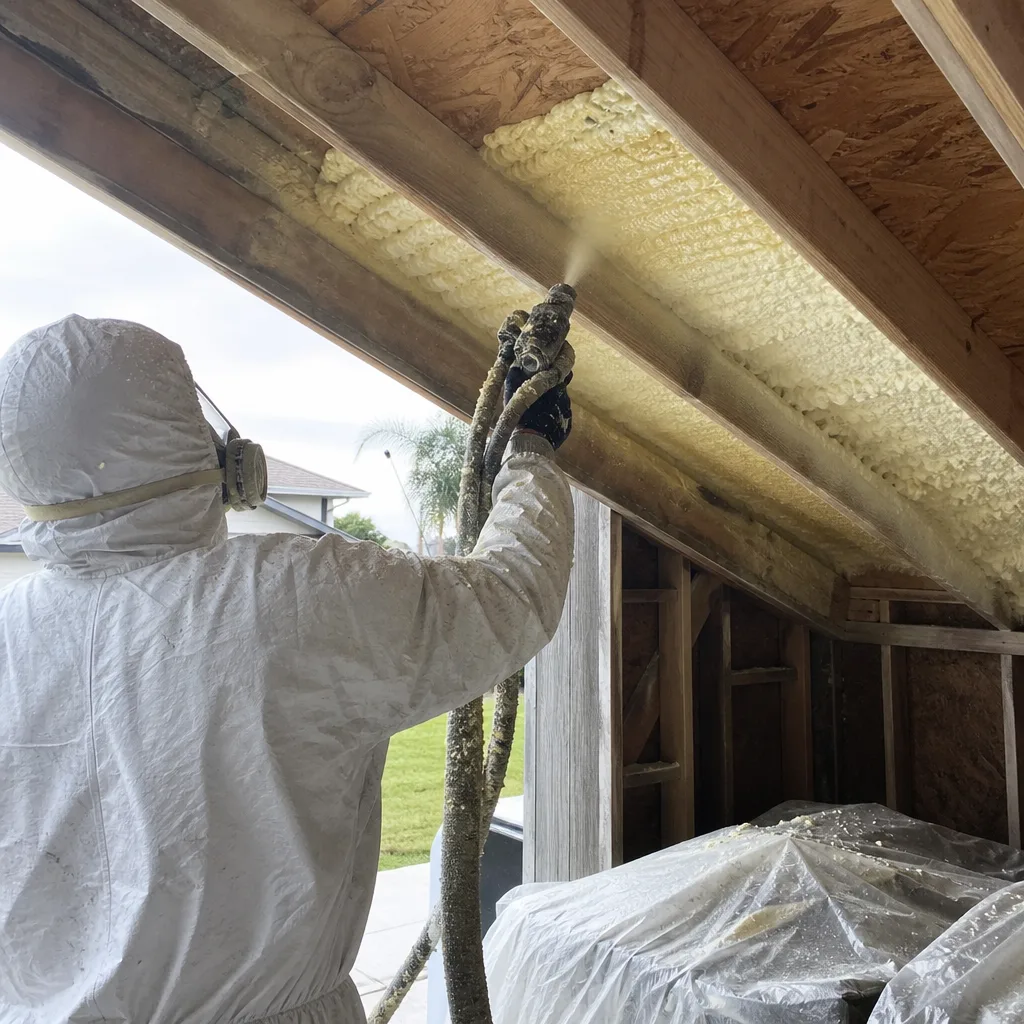
Unpermitted insulation work creates three categories of risk: transactional, financial, and physical. Explore more guides & resources to protect your home and investment. Each is manageable if identified early; each is expensive if discovered late.
Transactional risk: California sellers must disclose material defects and code violations on the Transfer Disclosure Statement (TDS). Unpermitted work that affects the building’s energy compliance or structural safety qualifies. A seller who fails to disclose and is later found to have known of the unpermitted work faces potential rescission of the sale or damages. Buyer’s inspectors in Torrance’s competitive market increasingly include permit history review as a standard practice, particularly for homes with visible energy upgrades.
Financial risk: The buyer’s lender or insurer may require permit compliance before closing. FHA and VA loans are particularly strict on this point. If the seller must remediate, the cost includes:
- Permit application and plan check fees (retroactive permits often require full plan submission)
- Opening walls or ceiling to expose insulation for inspection: $500-$2,000 depending on access
- HERS verification with potential blower-door testing: $300-$600
- Correction of any deficiencies found during retroactive inspection: $1,000-$5,000+
- Potential re-inspection fees if first pass fails
The $150-$300 permit fee, paid at the time of original installation, prevents this entire sequence.
Physical risk: Unpermitted work is not merely undocumented; it is uninspected. We’ve opened attics in Torrance where unpermitted spray foam was applied over active knob-and-tube wiring, creating a fire hazard. We’ve found fiberglass batts stuffed against recessed can lights without required clearance, degrading the fixture’s thermal protection. The permit process exists partly to catch these conditions before they cause harm.
For buyers considering a Torrance home with upgraded insulation but no visible permit, the due-diligence checklist is simple: request CF1R, CF2R, and CF3R from the seller; if none exist, obtain a permit history search; if gaps remain, budget $3,000-$8,000 for retroactive compliance or negotiate the purchase price accordingly. In the Southwood Riviera neighborhood, where 1950s ranch homes with recent energy upgrades are common, this negotiation is now standard practice.
Common Mistakes to Avoid
- Assuming like-for-like replacement is always exempt. If the original installation was unpermitted, replacement may trigger full current-code compliance, including HERS verification.
- Accepting only a CF2R from the contractor. The CF3R from an independent HERS rater is what closes the compliance loop. No CF3R means no verified compliance.
- Letting the contractor “handle the permit” without seeing the posted job card. Verify the permit number on the city’s online portal. We’ve seen contractors claim permits were “filed” when only an application was started.
- Skipping rough inspection for spray foam. Once foam cures, verification of underlying air sealing requires destructive removal. The rough inspection is your only non-destructive verification opportunity.
- Buying a home with visible insulation upgrades but no permit history. The gap is a negotiable defect. Treat it as such in your offer.
- Using a HERS rater suggested by the contractor without confirming independence. California prohibits in-house raters. Confirm the rater’s certification at resnet.us and their lack of employment relationship with your contractor.
- Assuming county and city requirements are identical. Los Angeles County’s unincorporated areas have additional fire-safety requirements for foam plastic insulation that Torrance does not. The wrong assumption delays inspection approval.
When to Call a Professional
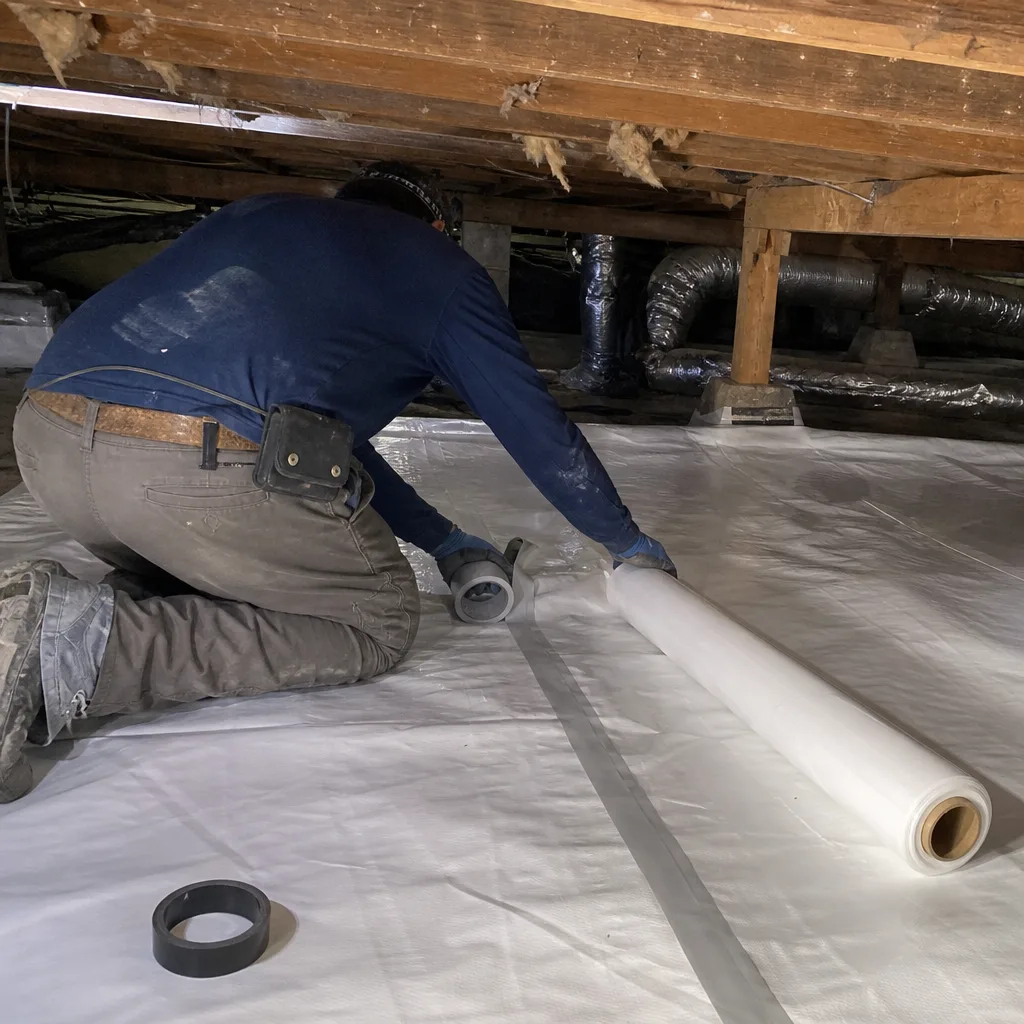
Call a professional when the scope involves any material change, any R-value increase, any conditioned space conversion, or any uncertainty about jurisdiction. The cost of professional guidance is fractional compared to retroactive compliance. Topside Attic Insulation Torrance offers free estimates in Torrance - call (424) 704-9866. Every estimate includes a written scope, a written price, and a preliminary assessment of permit and HERS requirements. We do not start work without a permit in hand when one is required, and we coordinate HERS rater scheduling so the CF3R arrives without delay. Our Documented Photo Record on every visit shows what was sealed before insulation covered it, and our before-and-after blower-door numbers verify the air-sealing result in a single figure.
Frequently Asked Questions
Yes, if you are increasing R-value, changing material type, or installing insulation where none existed. Like-for-like replacement of degraded insulation with the same R-value and material in an unconditioned attic is typically exempt, but we recommend confirming with the Torrance Building and Safety Division before proceeding. Call (424) 704-9866 and we will assess your specific scope during a free estimate.
A CF3R is the Certificate of Verification signed by an independent HERS rater who field-tests and visually inspects your insulation installation. If your contractor did not provide one, they may have skipped HERS verification to save cost, failed verification and not corrected the work, or incorrectly classified the scope as exempt. Without a CF3R, your installation lacks documented compliance with Title 24 and may surface as a defect at resale.
Most residential attic insulation permits in Torrance run $150-$220. Wall cavity work runs $180-$260. Spray foam scopes run $220-$340 plus plan check fees of $75-$150. HERS verification is separate at $250-$450. The total is typically under $700 for standard residential scopes, versus $3,000-$8,000 for retroactive compliance if work is done without a required permit.
Homeowners can pull an owner-builder permit, but you assume full liability for code compliance and become the responsible party for all inspections. Most insulation contractors in Torrance pull permits as part of their scope. Under Haven Standard Clause 1, we handle permitting, HERS coordination, and inspection scheduling as part of our written scope, with no markup on city fees.
The buyer can demand retroactive permitting, which requires opening walls or ceilings for inspection, HERS verification, and potential correction of deficiencies. The seller typically bears this cost, which ranges from $3,000-$8,000 in Torrance. Alternatively, the buyer may negotiate a price reduction or walk from the transaction. Disclosure of unpermitted work on the TDS is legally required if known.
Request the rater’s RESNET certification number and verify it at resnet.us. Confirm the rater is not an employee, subcontractor, or family member of the installing contractor. California regulations specifically prohibit this relationship. The CF3R should come from the rater’s firm directly, not through the contractor’s hands.
The Bottom Line
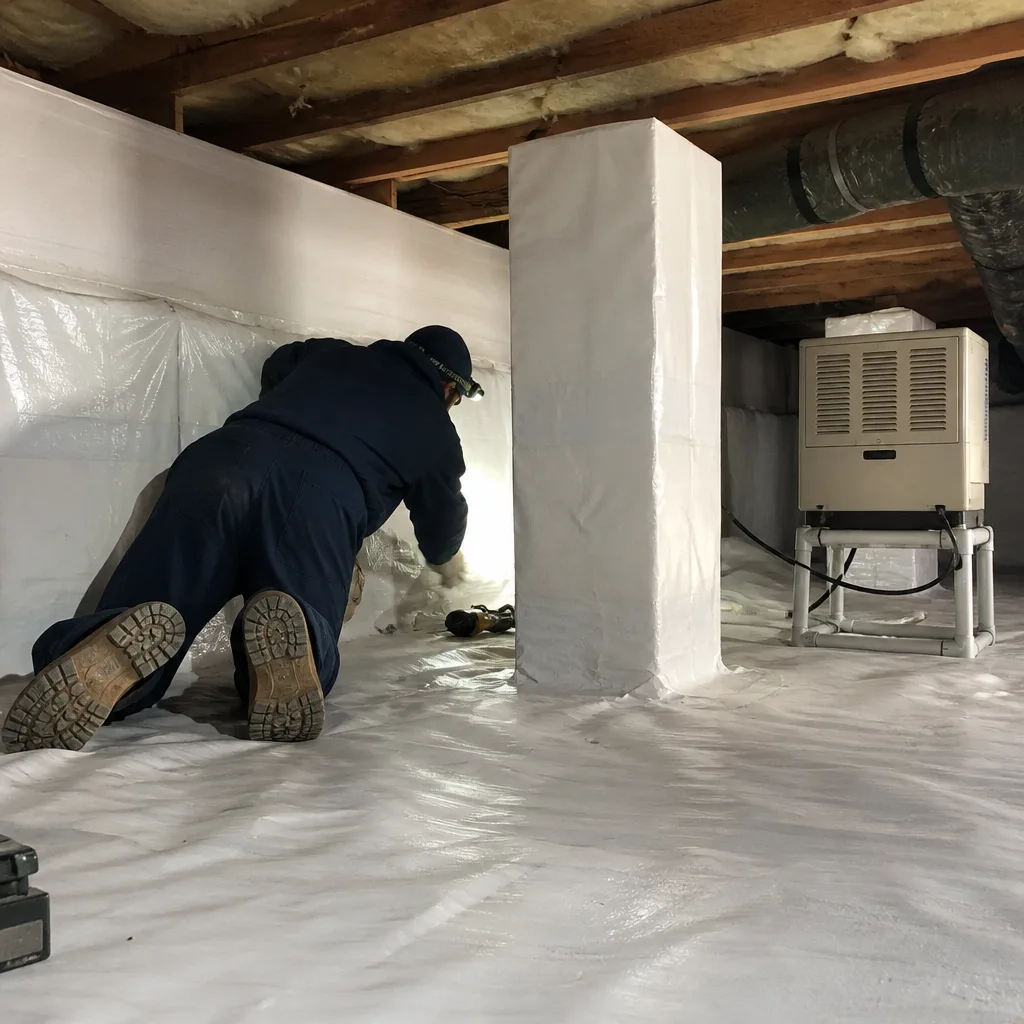
California’s insulation permitting system is not optional paperwork; it is a structured compliance path that protects homeowners from defective installation, undisclosed resale liability, and the cost of retroactive correction. The three-form Title 24 system, CF1R through CF3R, creates an auditable record that stays with the property. In Torrance, where climate zone 6 requirements and coastal moisture conditions add complexity, the permit process catches errors that unpermitted work conceals. The fee is modest. The protection is permanent. And the documentation, received before work starts and verified after completion, is what a thorough homeowner, buyer, or inspector will look for.
Written by Wes Okafor, Owner at Topside Attic Insulation Torrance, serving Torrance since 2016.