
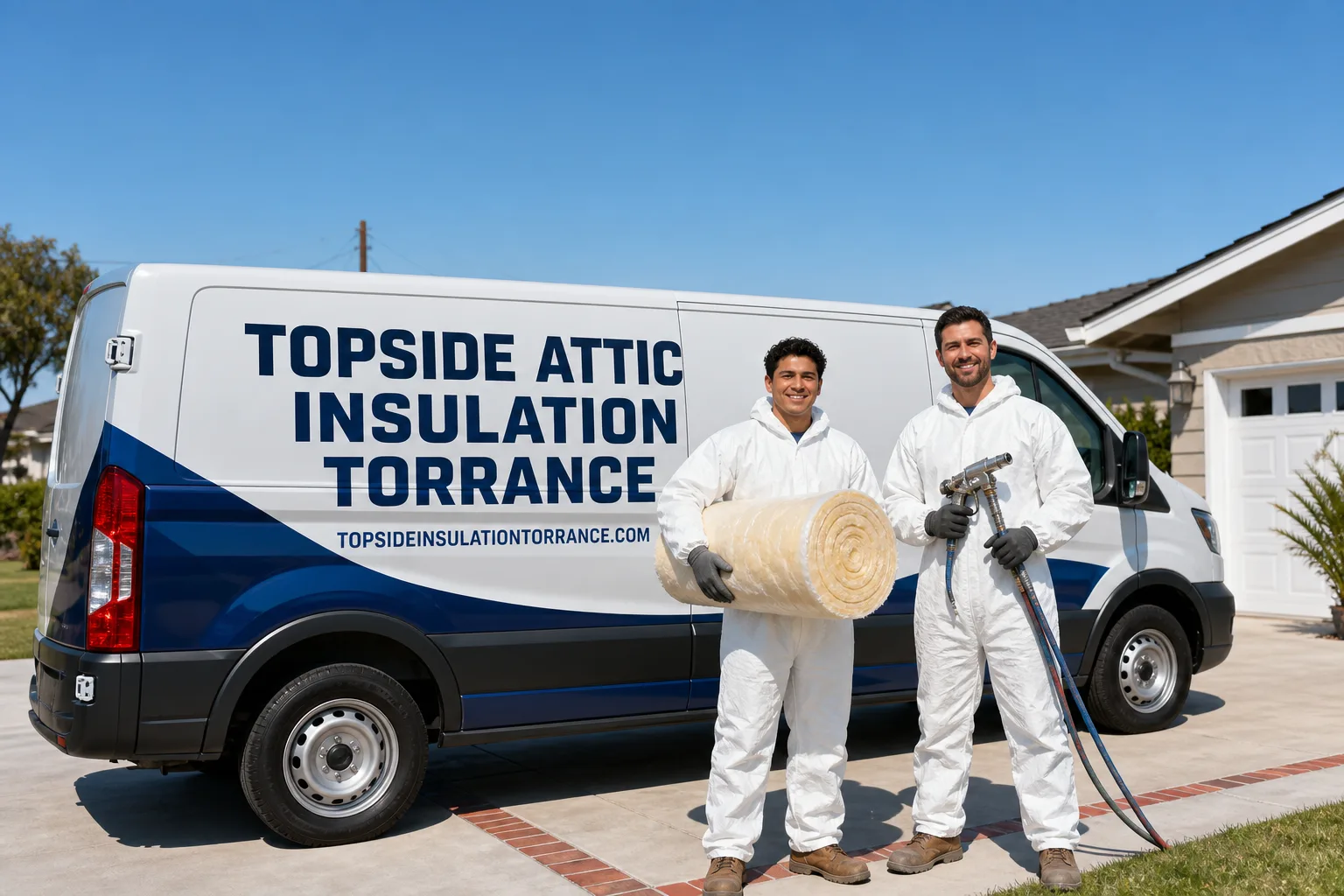
How Much Does Spray Foam Insulation Cost in Torrance?
Our Spray Foam Insulation services in Torrance, CA typically run $1.50 to $4.50 per board foot installed, depending on whether you’re using open-cell or closed-cell foam, the area being treated, and current site conditions. Most Torrance homeowners pay between $1,800 and $6,500 for a single-zone project – an attic, crawl space, or rim joist – with whole-envelope jobs on a 1,500-square-foot home landing closer to $8,000-$14,000. Written pricing before any work starts is not optional here; under Haven Standard Clause 1, you get a flat price and a written scope before anyone shows up with a rig.
Spray Foam Insulation Cost Breakdown (2026)
Spray foam pricing in Torrance breaks down by application zone and foam type. The numbers below reflect what Envelope Insulation Co. sees on actual jobs in Torrance and surrounding South Bay neighborhoods – Del Aire, Walteria, Southwood, and the older Craftsman-era blocks near downtown Torrance where attic floor geometry makes dense-pack alternatives less practical.
| Application Zone | Foam Type | Typical Range (Installed) | Notes |
|---|---|---|---|
| Attic floor (1,000 sq ft) | Open-cell | $1,800 – $3,200 | Common in Torrance tract homes built 1955-1975 |
| Attic floor (1,000 sq ft) | Closed-cell | $3,400 – $5,800 | Higher R-value per inch; better for marine-layer humidity |
| Crawl space encapsulation with spray foam | Closed-cell (rim joist + walls) | $2,200 – $4,500 | Older homes near Torrance waterways see higher moisture loads |
| Garage ceiling (attached garage, 400 sq ft) | Open-cell or closed-cell | $900 – $2,100 | Frequent request in Torrance due to HVAC equipment in garage |
| Rim joist only | Closed-cell | $500 – $1,100 | High-return quick win on homes with vented crawl spaces |
| Exterior wall cavities (open wall, per 100 sq ft) | Closed-cell | $600 – $1,400 | Usually tied to a remodel; walls must be open |
| Cathedral ceiling (per 500 sq ft) | Closed-cell | $2,800 – $5,200 | Common in 1960s split-levels in Walteria and Hollywood Riviera |
| Whole-envelope spray foam (1,500 sq ft home) | Mixed (open + closed) | $8,000 – $14,000 | Blower-door test included; before/after readings documented |
What Pushes the Price Up
Torrance has a specific coastal climate challenge that most inland California pricing guides ignore. The marine layer – the low-cloud moisture system that sits over the South Bay from roughly May through August – keeps relative humidity elevated in attics and crawl spaces longer than inland zip codes. That matters for spray foam because open-cell foam is vapor-permeable. In a Torrance attic that already runs 65-75% relative humidity several months a year, choosing open-cell over closed-cell to save $800 upfront can mean mold remediation costs that dwarf the savings within five years. We see this pattern regularly in older homes near the Del Amo Fashion Center corridor and down toward the PCH-adjacent blocks in Walteria.
Closed-cell foam costs more per board foot – typically $1.50-$2.00 more – but it also delivers a Class II vapor retarder built into the material itself. For most Torrance applications, that’s not an upsell; it’s the right specification for the climate.
Other cost drivers: existing insulation that needs removal first (add $0.50-$1.25 per square foot for removal and disposal), attic access that requires a rig hose longer than 150 feet, asbestos-containing materials in pre-1978 homes (testing and remediation are separate line items), and foam depth required to hit California Title 24 minimums – currently R-38 for attic floors in Climate Zone 7, which is most of Torrance.
What Keeps the Price Down
Pairing air sealing with spray foam in the same mobilization is almost always cheaper than scheduling them separately. If a crew is already in your attic sealing top plates, can lights, and plumbing penetrations – which is how every Envelope Insulation Co. job works, air sealing first, then foam – the setup cost is shared across both scopes. Homeowners who try to add spray foam six months after an insulation job pay a second mobilization fee. Doing both at once in Torrance typically saves $300-$700 compared to two separate visits.
California utility rebates through SCE (Southern California Edison) and SoCalGas also apply to qualifying insulation upgrades. The rebate amounts shift quarterly, but jobs that hit Title 24 compliance thresholds and include a blower-door test have qualified for $200-$800 in utility rebates in recent program cycles. We document the blower-door numbers on applicable jobs specifically so homeowners have the verification data the rebate application requires.
What Affects Spray Foam Insulation Pricing in Torrance
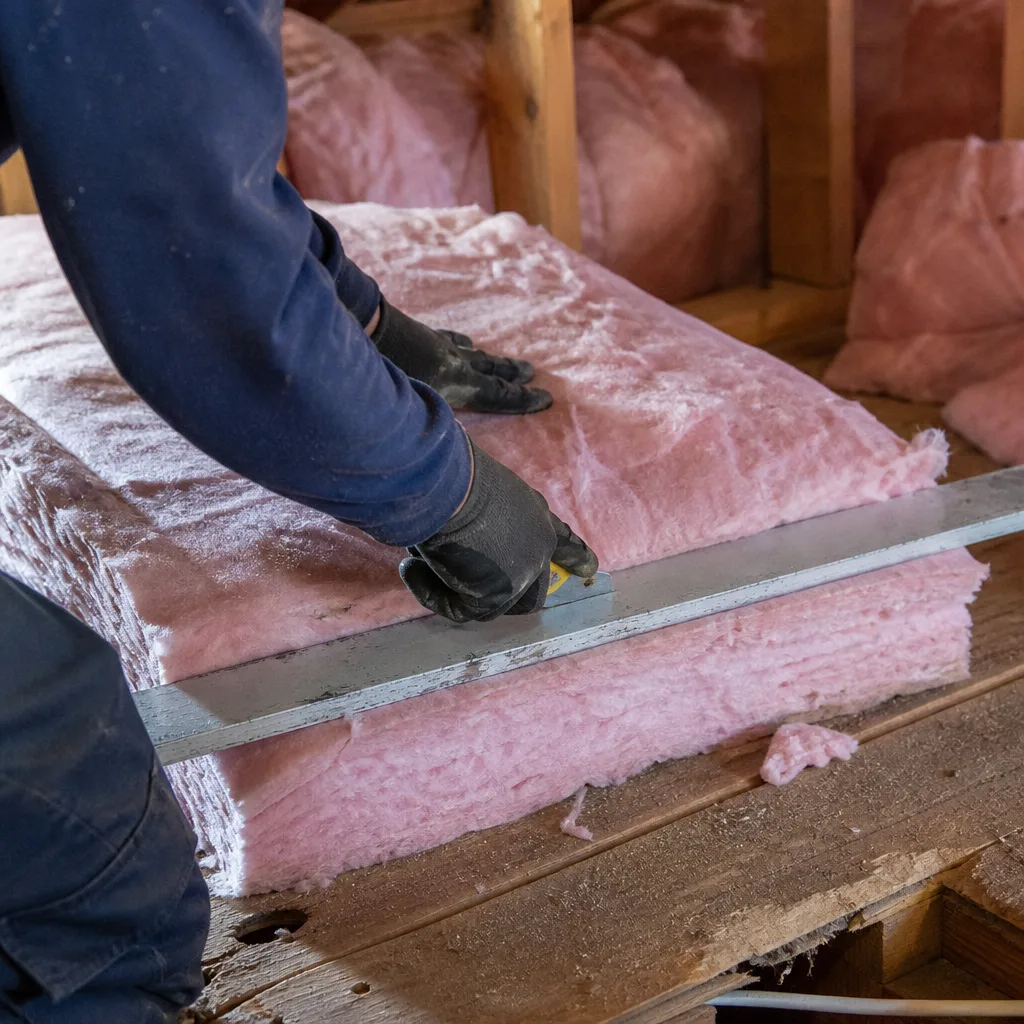
- Foam type: open-cell vs. closed-cell. Open-cell foam (R-3.5 to R-3.8 per inch) costs roughly $0.35-$0.55 per board foot for the material alone. Closed-cell (R-6 to R-7 per inch) runs $1.00-$1.50 per board foot. In Torrance’s coastal humidity zone, closed-cell is often the more durable choice for attic and crawl space work.
- Project square footage and foam depth. California Title 24 requires R-38 minimum in attic floors for Climate Zone 7. Hitting R-38 with open-cell foam takes about 10 inches of material; with closed-cell, about 5.5 inches. More inches mean more material cost, so the target R-value is a direct multiplier on the final number.
- Existing insulation condition. About 40% of the Torrance homes we inspect still have original fiberglass batts installed in the late 1960s or early 1970s. When those batts are contaminated with rodent debris or have settled below useful R-value, they need to come out before spray foam goes in. Removal and disposal add to the total, but installing foam over compromised material is a practice Envelope Insulation Co. won’t do – the result wouldn’t perform, and it wouldn’t hold up to a blower-door test.
- Air sealing scope completed first. Spray foam applied over unsealed penetrations gives you insulation without air control. The two are not the same thing. On every Torrance job we do, attic air sealing – top plates, can lights, plumbing chases, HVAC penetrations – is completed before any insulation is added. If the air sealing scope is large (homes with 20+ recessed lights in the attic floor are common in Torrance ranch-style houses), that adds labor before the foam rig is ever started.
- Access difficulty and attic geometry. Torrance has a high percentage of low-slope rooflines from the 1950s-70s building boom. Shallow attics with less than 30 inches of clearance require a technician to work prone or in a crawl position, which slows the job and raises labor cost. Ductwork running through the attic floor further complicates foam application around HVAC connections.
- Material sourcing and current pricing. Spray foam raw material prices (MDI and polyol blends) track petrochemical commodity markets and have been volatile since 2021. As of 2026, Torrance-area contractors are paying more for foam feedstock than they were in 2019, and those costs flow through to installed prices. We source from Icynene and Demilec product lines, among others, and don’t lock customers into a proprietary product they can’t get serviced by another contractor later.
Open-Cell vs. Closed-Cell Foam: Which One for Torrance?
This question comes up on nearly every Torrance job we assess, and the answer isn’t purely about budget.
Open-Cell Spray Foam
Open-cell foam is lighter, softer, and significantly cheaper per square foot. It’s an excellent sound attenuator, which is why it’s popular in interior wall cavities and between floor assemblies. For attic applications in Torrance, though, it’s vapor-permeable – meaning moisture can move through it. In a climate where the marine layer pushes outdoor humidity above 80% for extended stretches, vapor-permeable insulation in an attic floor needs a separate vapor retarder to manage moisture correctly. Without one, condensation can accumulate on cold surfaces and create conditions for mold growth in the attic structure. We have documented this in Torrance homes where open-cell was installed without a vapor control layer.
Closed-Cell Spray Foam
Closed-cell foam is rigid, denser, and delivers R-6 to R-7 per inch – roughly double the R-value of open-cell at the same thickness. It’s also a Class II vapor retarder on its own, which is a significant structural advantage in Torrance’s coastal zone. Two inches of closed-cell on a rim joist or crawl space wall stops both heat transfer and moisture intrusion in one material. The tradeoff is cost: you’ll pay 30-50% more per square foot than open-cell for the same coverage area.
For most Torrance attic and crawl space applications, closed-cell is the specification we recommend and document in our written scope. For interior walls during a remodel or between-floor assemblies where moisture control isn’t the primary concern, open-cell is often appropriate.
The Air Sealing Step That Most Torrance Contractors Skip
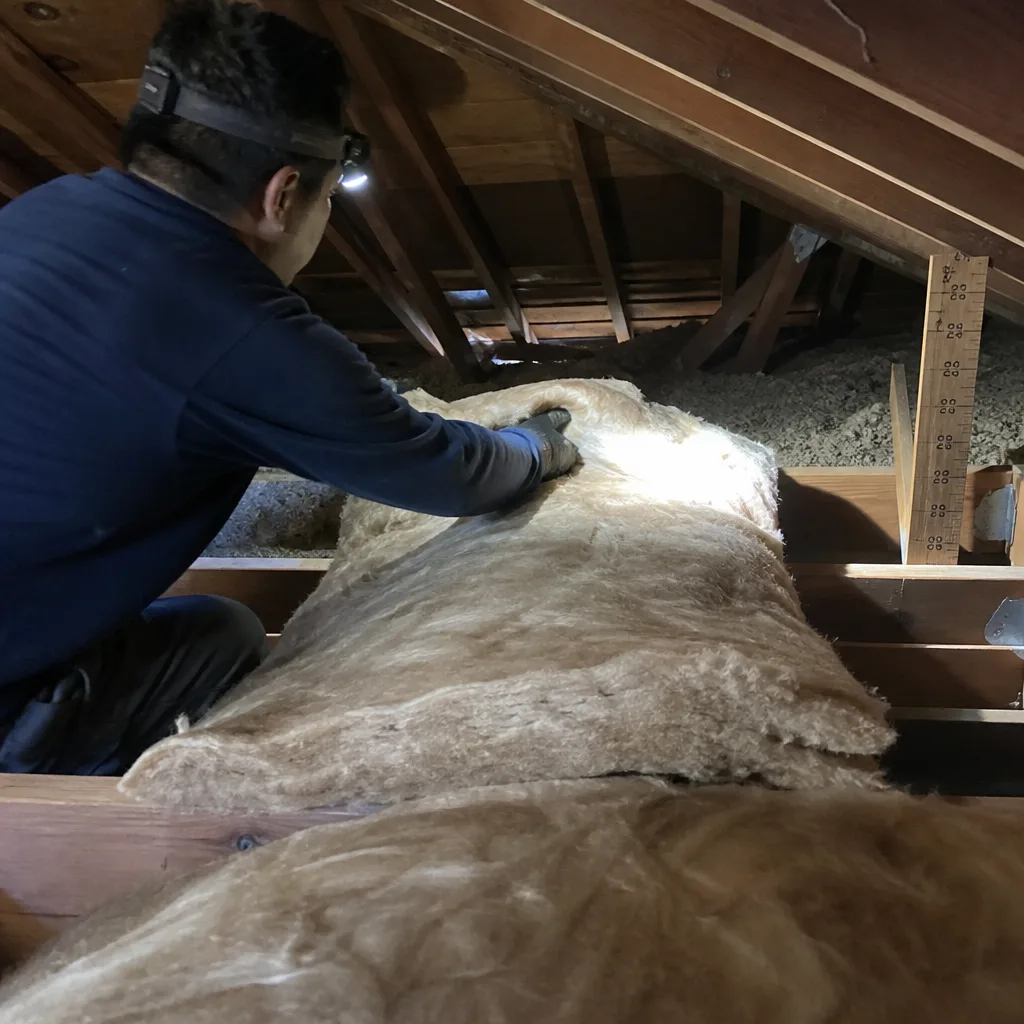
Spray foam is an air barrier when applied correctly, but it can’t seal gaps it doesn’t reach. An attic floor with unsealed top plates – the gaps between wall framing and attic floor – loses conditioned air at the same rate with foam above it as without, because the air bypasses the insulation entirely through the gap. This is the most common field failure we document on Torrance homes that had foam installed by another contractor.
The blower-door test – a pressurization measurement that places the building under a calibrated negative pressure and measures airflow in cubic feet per minute (CFM50) – shows the total air leakage of the envelope before and after work. A Torrance ranch-style home of 1,400 square feet that reads 3,800 CFM50 before sealing might still read 3,200 CFM50 after spray foam was applied over unsealed penetrations. The foam is there, but the air leaks weren’t addressed. We’ve measured exactly this pattern in Southwood and in the Old Torrance district near Arlington Avenue.
Our process is fixed: air seal first – top plates, can lights, plumbing penetrations, and HVAC chases – then install foam. The before-and-after blower-door numbers are published on every applicable job so the homeowner can see the measured result. Not an estimate. Not a calculation. A measured reading taken in their specific house.
If you want to understand the full scope of what proper spray foam work includes – and what’s included in a written estimate from us – the Spray Foam Insulation in Torrance service page walks through our process and what you receive in documentation when the job closes.
How to Save on Spray Foam Insulation in Torrance
Combine Air Sealing and Insulation in One Visit
Scheduling air sealing and spray foam insulation together saves the cost of a second mobilization and frequently makes you eligible for utility rebates that require both scopes to be completed. In Torrance, this combination on a typical 1,400-square-foot home runs $3,200-$6,800 depending on foam type and attic condition – often $400-$700 less than scheduling the same scopes on separate days.
Apply for SCE and SoCalGas Rebates
Southern California Edison’s residential energy efficiency programs have covered a portion of qualifying insulation upgrades, and the blower-door documentation we provide on applicable jobs is exactly what those applications require. Rebate amounts change, but recent Torrance homeowners have received between $200 and $800 back on qualifying projects. We don’t submit the rebate paperwork for you, but we provide the documentation – the blower-door readings, the written scope, the material spec – that the applications require.
Get a Written Scope Before Comparing Quotes
The biggest source of price confusion in Torrance spray foam bids is that contractors aren’t quoting the same job. One contractor quotes open-cell at 5 inches; another quotes closed-cell at 3 inches; a third quotes closed-cell at 3 inches but doesn’t include the air sealing first. The numbers look different because they describe different scopes. A written scope – zone by zone, foam type, thickness, air sealing included or excluded – lets you compare accurately. Under Haven Standard Clause 1, our written price arrives before any work starts, with the scope itemized so there’s no ambiguity.
We also offer a free second opinion on any written estimate you’ve already received. Bring us the quote and we’ll read through it with you – not to undercut it automatically, but to help you understand what it does and doesn’t include.
Don’t Skip Removal of Degraded Existing Insulation
Applying spray foam over contaminated or significantly settled existing insulation saves money on day one and typically costs more within three to five years. Foam applied over rodent-compromised batts doesn’t bond cleanly to the substrate, can trap odors and biological material, and may void the foam manufacturer’s warranty. Having degraded insulation removed before the new foam goes in is a real cost – but it’s a cost that protects the investment in the foam itself.
Request a Free Estimate With a Site Inspection
Spray foam pricing quoted without a site visit is a rough range, not a number you can plan around. The only way to give you a number that holds is for a technician to look at your attic geometry, measure the square footage, assess the existing insulation condition, and document what air sealing is needed before the foam goes in. Call (424) 704-9866 to schedule a free estimate that includes an attic inspection and a written price before anything starts.
Title 24 and Permit Requirements for Spray Foam in Torrance
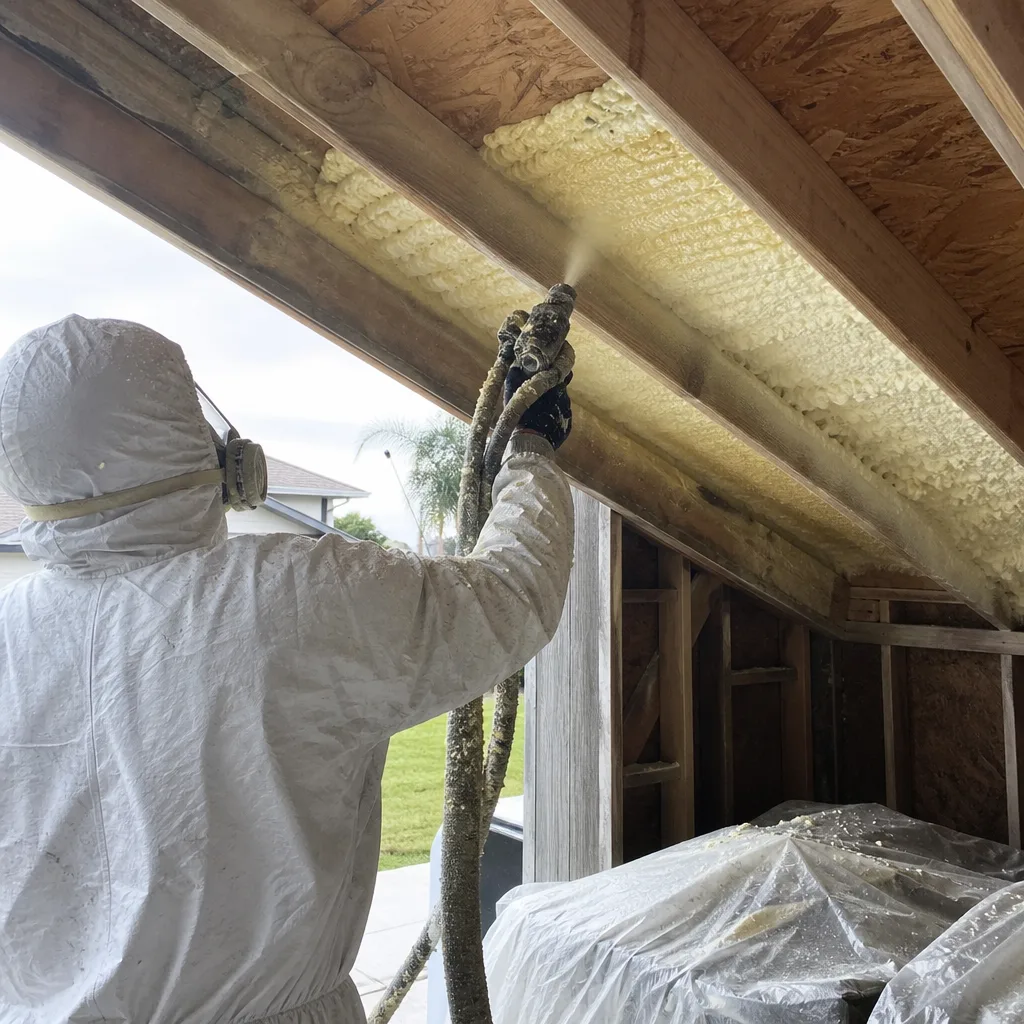
California Title 24 (the California Energy Code) sets minimum R-values for residential insulation. In Climate Zone 7, which covers Torrance and the surrounding South Bay, the minimum for attic floors is R-38. For rooflines (unvented attic assemblies where foam is applied to the underside of the roof deck), the minimum is R-22 for insulation that’s part of a conditioned attic conversion. Cathedral ceilings follow the roofline minimum.
Whether your Torrance spray foam project requires a permit depends on the scope. Adding insulation to an existing attic floor without altering the structure typically doesn’t trigger a permit. Converting a vented attic to a conditioned (unvented) attic by applying spray foam to the underside of the roof deck usually does require a permit from the City of Torrance Building and Safety Division, because it changes the thermal and moisture dynamics of the attic assembly. We handle the permit question in the written scope – you know before work starts whether a permit is required and who’s pulling it.
FAQs – Spray Foam Insulation Cost in Torrance
How much does spray foam insulation cost per square foot in Torrance?
Installed cost in Torrance runs $1.50 to $2.50 per square foot for open-cell foam and $2.50 to $4.50 per square foot for closed-cell foam, at the depths needed to hit California Title 24 minimums. Board-foot pricing (which factors in thickness) runs $0.35-$0.55 per board foot for open-cell and $1.00-$1.50 per board foot for closed-cell material alone; installed pricing includes labor, equipment, and the air sealing scope that has to be completed before foam is applied. For a free estimate with an exact written price for your home, call (424) 704-9866.
Is spray foam insulation worth it for a Torrance home?
For most Torrance homes built before 1985 – which account for a large portion of the city’s housing stock in neighborhoods like Southwood, Old Torrance, and Hollywood Riviera – spray foam pays back faster than fiberglass batts because it provides air control and insulation in one material. Homes in Torrance’s coastal zone also benefit from closed-cell foam’s vapor-retarding properties, which open-cell and fiberglass batts don’t provide. We’ve documented blower-door readings that dropped from 4,000+ CFM50 to under 1,800 CFM50 on Torrance homes after combined air sealing and spray foam work – that reduction translates directly to lower HVAC runtime and lower utility bills.
Can I get spray foam in just my attic, or does it have to be the whole house?
Single-zone spray foam projects are the norm, not the exception. Most Torrance homeowners start with the attic floor or the crawl space – the two zones with the highest heat transfer rate – and see meaningful utility bill changes from that scope alone. A full whole-envelope job produces better overall results, but a correctly specified attic project runs $1,800-$6,500 depending on foam type and square footage, and it doesn’t require touching the walls. The written scope we provide before any work starts will lay out exactly what zone is being treated and what the projected R-value outcome is.
How long does spray foam insulation last in Torrance?
Closed-cell spray foam has a documented service life of 80+ years when installed correctly and not exposed to UV light (UV degrades the surface; foam in covered attic and crawl space applications is not UV-exposed). Open-cell foam is similarly durable under covered conditions. The practical failure modes we see in Torrance are not foam degradation – they’re installation failures: foam applied over unsealed penetrations, foam applied without adequate thickness to meet R-value targets, or foam applied over contaminated substrate that prevents proper adhesion. All of these are quality-of-installation issues, which is why the written scope and the post-job blower-door reading matter. Our 365-Day Done Right Promise covers any installation quality issue that surfaces within the first year.
Does spray foam insulation require a permit in Torrance, CA?
Adding spray foam to an existing vented attic floor (insulating between joists, floor-level application) typically does not require a permit from the City of Torrance. Converting to an unvented conditioned attic by applying spray foam to the underside of the roof deck – a roofline application – typically does require a permit, because it changes the attic’s moisture and thermal classification under California Building Code. The written scope you receive before any work starts will specify whether a permit is required for your project and who’s responsible for pulling it. For an assessment of your specific Torrance home, call (424) 704-9866 – estimates are free and come with a written price.
Why Documented Results Matter More Than Price Alone
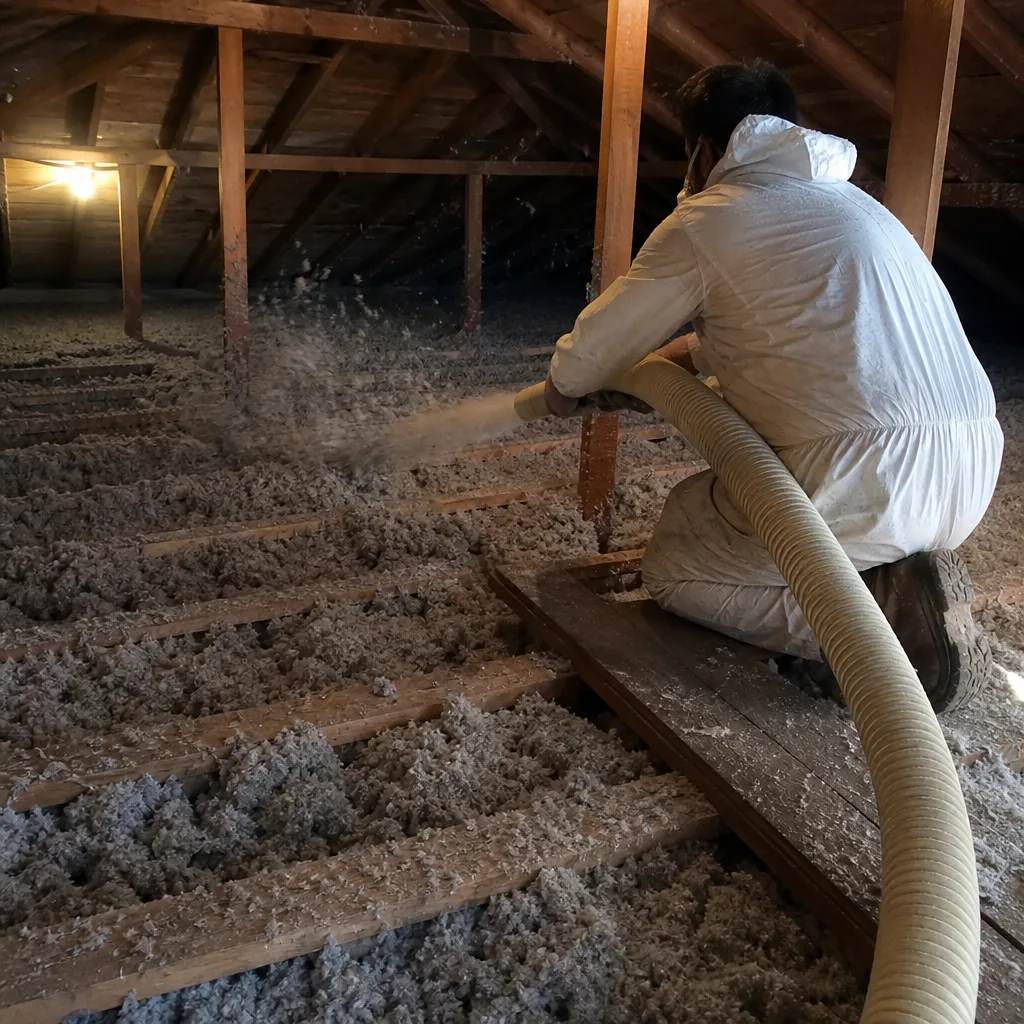
Spray foam is an investment that’s largely invisible once the job is done. You can’t see the foam in a sealed attic floor; you can’t see the air sealing behind it. What you can see – and what we provide on every applicable Torrance job – is the blower-door reading taken before the crew arrives and again after the job closes. That pair of numbers is the only way to verify that the work performed actually changed the performance of your home’s building envelope.
A Torrance homeowner in the Walteria neighborhood recently had a spray foam job done by another contractor. The attic looked correct on a visual inspection. But a post-job blower-door test read nearly identical to the pre-job baseline. The foam had been applied over unsealed top plates and unsealed can lights – the air was still moving freely through the gaps the foam was sitting above. The correct result required removing and reapplying foam over a properly sealed attic floor. That’s an expensive correction to a job that looked done but wasn’t.
The before-and-after documentation we provide isn’t a marketing item. It’s the only way to know the job was done right. Wes Okafor built the documentation-first model into Envelope Insulation Co.’s operating standard from the company’s first year, and it’s been part of every applicable job since 2016. If a contractor can’t show you pre- and post-numbers, you have no way to verify what you paid for.
You can read more about our full approach to building-envelope work – and what Torrance homeowners receive in documentation at every stage – on our home page.
Key Takeaways
- Spray foam insulation in Torrance costs $1.50-$4.50 per board foot installed, or roughly $1,800-$6,500 for a single zone and $8,000-$14,000 for a whole-envelope project on a 1,500-square-foot home.
- Closed-cell foam is typically the right specification for Torrance attic and crawl space work given the South Bay’s marine-layer humidity; open-cell is appropriate for interior applications where moisture control isn’t the primary concern.
- California Title 24 requires R-38 minimum in attic floors for Climate Zone 7 (Torrance). Hitting that with closed-cell foam requires roughly 5.5 inches of material.
- Air sealing – top plates, can lights, plumbing penetrations – must be completed before spray foam is applied, not after. Foam over unsealed gaps does not fix air leakage.
- Before-and-after blower-door readings are documented on every applicable Torrance job, so you can verify the air-sealing result in measured CFM50 – not an estimate.
- A written price, written scope, and written warranty are delivered before any work starts. The 365-Day Done Right Promise covers all completed work.
- SCE and SoCalGas rebates may apply to qualifying Torrance insulation projects; the blower-door documentation we provide is what the rebate applications typically require.
Get a Written Price for Your Torrance Home
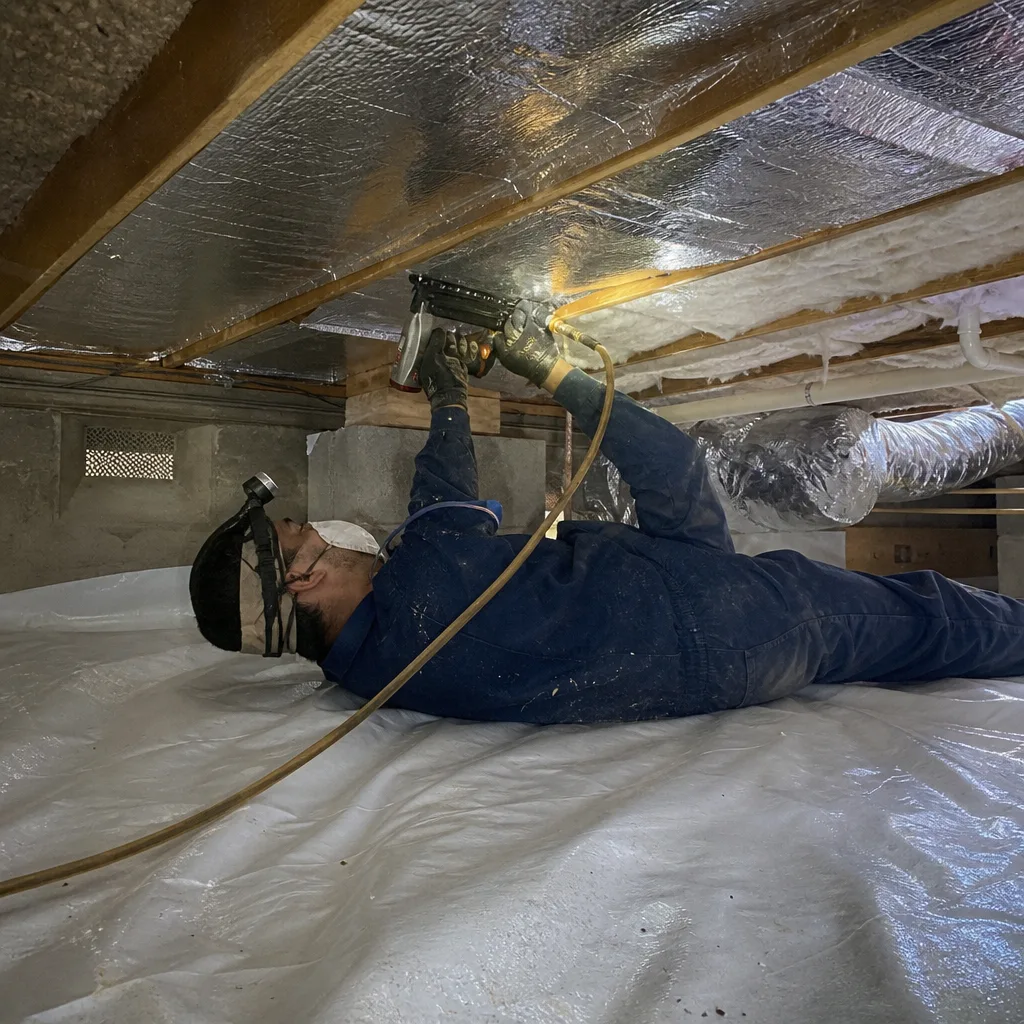
Wes Okafor and the Envelope Insulation Co. team have been documenting spray foam jobs – with written scopes, blower-door readings, and photo records – across Torrance and the South Bay since 2016. If you’ve got an existing estimate from another contractor, bring it. We’ll read through it with you as part of our free second opinion offer. If you’re starting from scratch, we’ll come out, inspect your attic or crawl space, and give you a written price before anything moves forward.
Call (424) 704-9866 to schedule your free estimate. A live person answers – no voicemail, no callback window measured in business days. You’ll know the price in writing before any work starts, and you’ll have before-and-after blower-door numbers when the job closes, so there’s no question about what your money bought.
Written by Wes Okafor, Owner at Envelope Insulation Co. (operating as Topside Attic Insulation Torrance), serving Torrance and the South Bay since 2016. Pricing reflects the Torrance, CA market as of 2026. Topside Attic Insulation Torrance offers free estimates – call (424) 704-9866.
What Our Customers Say
"They photographed rodent damage in the old insulation that we had no idea about, and priced the exclusion work separately so we could decide."
- Harriet N."They air-sealed the attic floor before insulating and showed me the blower-door number before and after. The upstairs is finally the same temperature as downstairs."
- Marisol D."Fixed price, clean work, and they hauled the old material away as agreed."
- Todd M.