
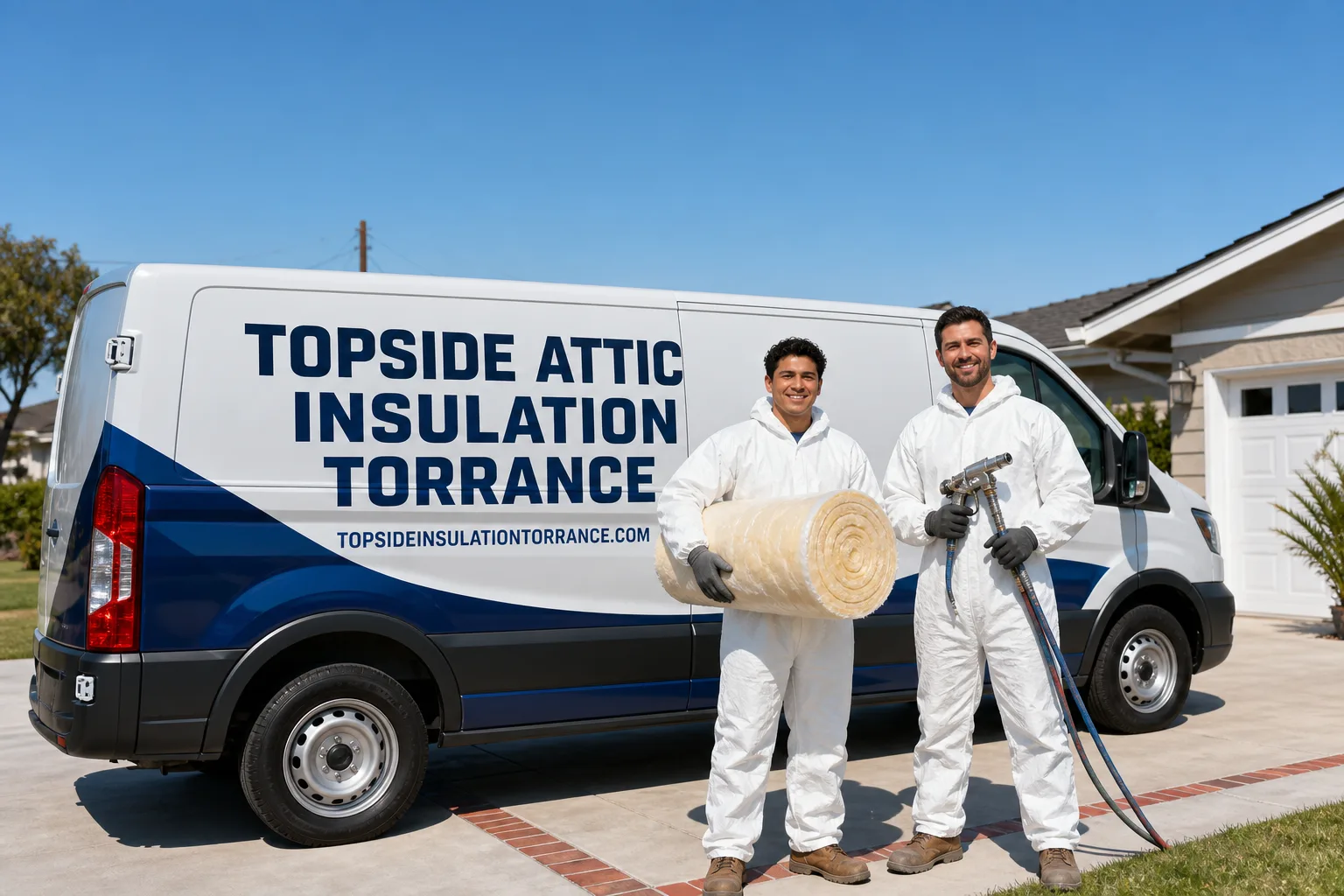
How Much Does Attic Insulation Cost in Torrance?
Our Attic Insulation services in Torrance, CA typically cost between $1,800 and $4,200 for a standard single-story home, with most jobs landing around $2,400 to $3,000 once air sealing is included. That range covers blown-in fiberglass or cellulose to R-38 or R-49 on an attic floor of 1,000 to 1,600 square feet – the footprint we see most often in Torrance’s post-war ranch homes and 1970s tract builds. If you’re replacing old, compacted insulation rather than topping off, budget toward the upper end; removal alone adds $600 to $1,200 before a new material goes in.
Attic Insulation Cost Breakdown (2026)
The table below reflects actual installed pricing in the Torrance market as of 2026. These are not manufacturer estimates or national averages – they are the ranges Wes Okafor and the team at Envelope Insulation Co. see on real jobs in this city, priced under the Haven Standard (written price before any work starts, every time).
| Service / Scope | Typical Price Range | Notes |
|---|---|---|
| Blown-in fiberglass to R-38 (1,000 sq ft attic) | $1,100 - $1,600 | Top-up over existing insulation |
| Blown-in fiberglass to R-49 (1,000 sq ft attic) | $1,300 - $1,900 | Meets Title 24 requirements for new installs |
| Blown-in cellulose to R-38 (1,000 sq ft attic) | $950 - $1,500 | Recycled content; popular choice in Torrance |
| Blown-in cellulose to R-49 (1,000 sq ft attic) | $1,200 - $1,800 | Denser pack needed at this R-value |
| Spray foam (closed-cell) at roof deck / rafter bays | $3,500 - $7,500+ | Unvented attic assemblies; higher performance ceiling |
| Attic air sealing (top plates, can lights, penetrations) | $450 - $950 | Always done before insulation at Envelope – not an upsell |
| Old insulation removal (blown-in or batts) | $600 - $1,200 | Required when existing material is contaminated or compacted |
| Radiant barrier installation (foil decking) | $900 - $1,800 | Highly effective in Torrance’s sun-exposed coastal homes |
| Full attic replacement project (remove + seal + insulate) | $2,400 - $4,800 | Most common complete scope for a 1,200 sq ft attic |
| Large attic (2,000+ sq ft), full replacement | $4,500 - $7,000+ | Common in Old Torrance Craftsmans and larger Southwood homes |
What pushes the number higher or lower
Three variables move a Torrance attic job up or down more than anything else: the current condition of the attic, the target R-value, and whether air sealing is being priced honestly or quietly skipped.
On condition: attics in Torrance homes built before 1980 – and that covers a large share of the housing stock in neighborhoods like Walteria, Southwood, and Old Torrance – often have fiberglass batts that have absorbed moisture from the marine layer and lost 20 to 30 percent of their rated R-value through compression and wetting. When that material has to come out before anything new goes in, the job takes longer and costs more, but skipping removal to save money is a false economy. Blowing new insulation over degraded, contaminated batts is one of the most common errors we document on second-opinion visits.
On R-value: California’s Title 24 energy code currently requires R-38 minimum for attic insulation in Climate Zone 7 (which covers coastal Torrance) and R-49 for new construction or full replacements. Going from R-38 to R-49 adds roughly $150 to $300 to a typical job – a small increment for meaningfully more thermal resistance. Most homes in Torrance that were built in the 1960s and 1970s are sitting at R-11 to R-19 when we measure them. That gap is significant.
On air sealing: this is where most low bids cut corners. A quote that omits air sealing of top plates, recessed can lights, and HVAC penetrations will look cheaper on paper and perform worse in practice. We’ll say this plainly: blowing insulation over an unsealed attic floor is like insulating the outside of a colander. The air leaks determine the actual energy loss; the insulation only slows conductive heat transfer. At Envelope Insulation Co., air sealing is completed before any insulation goes in – it is not optional and it is not a line item you can remove to cut the price.
What Affects Attic Insulation Pricing in Torrance
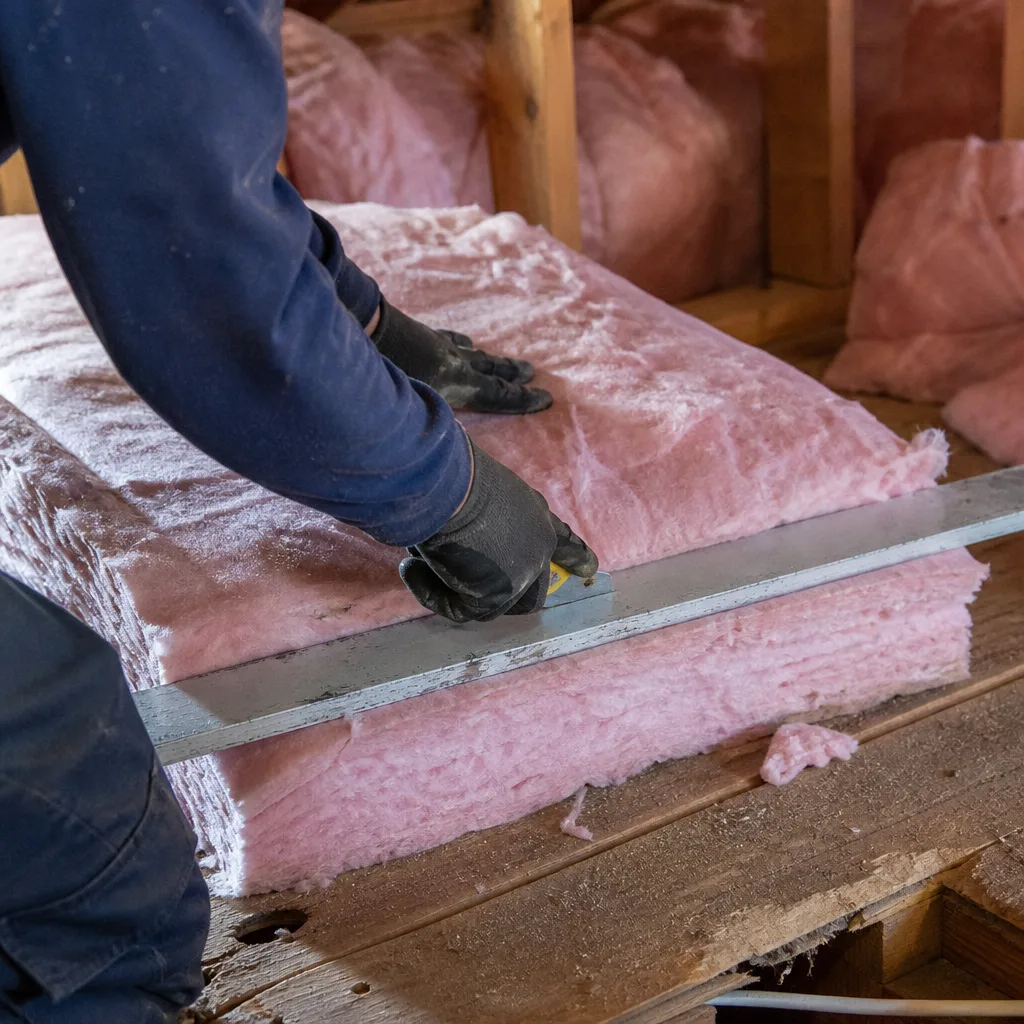
- Attic square footage and access difficulty. Most Torrance homes have attics between 900 and 1,800 square feet. Tight access hatches, low-pitch rooflines (common in the flat-roofed Eichler-influenced builds near Madrona), or attics with multiple HVAC systems inside them slow the crew down and raise the labor cost. A 1,400 sq ft attic with a tight access hatch takes longer to seal and insulate than a 1,600 sq ft attic with a full pull-down stair.
- Existing insulation condition. If the current insulation is intact and above R-19, a top-up to R-49 is straightforward. If it’s compressed fiberglass from 1972, contaminated with rodent activity, or sitting wet from a past roof leak, removal is the necessary first step. Attic cleaning and rodent proofing – a separate but related service – adds to the project scope when we find evidence of pest activity, which is more common in Torrance’s older neighborhoods than homeowners expect.
- Insulation material. Blown-in cellulose (made from recycled paper, treated for fire and pest resistance) runs slightly cheaper per R-value than blown-in fiberglass and is a solid performer in Torrance’s mild, sometimes humid coastal climate. Spray foam – either open-cell or closed-cell – costs three to five times more per square foot but creates an air barrier and thermal boundary at the roofline rather than the attic floor, which changes the performance category entirely. Batts (Owens Corning or Johns Manville fiberglass rolls) are rarely the right answer for attic floors because they depend on a nearly perfect install to perform at their rated R-value, and attic floors are rarely flat enough to deliver that.
- Air sealing scope. Older Torrance homes, particularly those built before the 1990 California energy code updates, often have open top plates – the framing gaps between conditioned living space and the attic – plus uninsulated or poorly sealed can lights, which are essentially holes in the ceiling. A home with 40 recessed lights takes more sealing time than one with 8. The blower-door reading we take before we start tells us how leaky the envelope is; a reading above 4,000 CFM50 on a 1,400 sq ft home typically means significant air sealing work is needed before insulation will perform as rated.
- California Title 24 compliance requirements. Torrance falls under Climate Zone 7 for state energy code purposes. Full insulation replacements on permitted projects must meet current Title 24 R-value minimums. If your project is being permitted – common when insulation is part of a larger remodel – the insulation contractor needs to be familiar with these requirements. We document all R-values and materials so you have a record for your permit file.
- Radiant barrier opportunity. Torrance gets meaningful sun exposure despite its coastal location, particularly in the inland-facing neighborhoods toward the Palos Verdes foothills. A radiant barrier – a reflective foil product installed at the roof deck – reduces summer radiant heat gain through the roof by 25 to 40 percent in direct measurements. It’s not a substitute for insulation but a complement to it, and on a south- or west-facing roof in Torrance the payback period is short. Adding a radiant barrier at the time of an attic insulation project costs less than scheduling it separately.
Torrance-Specific Factors Worth Knowing
Torrance is not a generic Southern California city when it comes to attic performance. The marine layer, which moves through the South Bay corridor from the coast toward Redondo Beach and into Torrance’s western neighborhoods, creates humidity conditions that affect insulation differently than inland markets like Pasadena or Riverside. Fiberglass batts in direct contact with roof sheathing in these conditions can trap moisture, which accelerates sheathing decay and reduces thermal performance. This is one reason blown-in materials – which fill irregularly shaped cavities and don’t create the air pockets that batts do – tend to outperform batts in the Torrance climate over a 10 to 15 year horizon.
In the Seaside neighborhood and around the Del Amo Fashion Center corridor, we regularly see homes with original 1950s-era insulation – sometimes rock wool, sometimes thin fiberglass – that hasn’t been touched since construction. These homes often test at R-8 to R-12 in the field, against a rated spec that may have originally been R-19. Forty years of compression, moisture cycling, and settling do that. The gap between what the insulation says it is and what it actually delivers is where energy bills live.
On the permit question: most attic insulation projects in Torrance that are straightforward top-ups do not require a building permit, but a full replacement or any project connected to a remodel trigger permit requirements. The City of Torrance Building & Safety Division applies California Energy Code (Title 24, Part 6) to these projects. Wes Okafor’s team documents materials and R-values on every job so you have the paper trail if it’s needed.
How to Save on Attic Insulation in Torrance
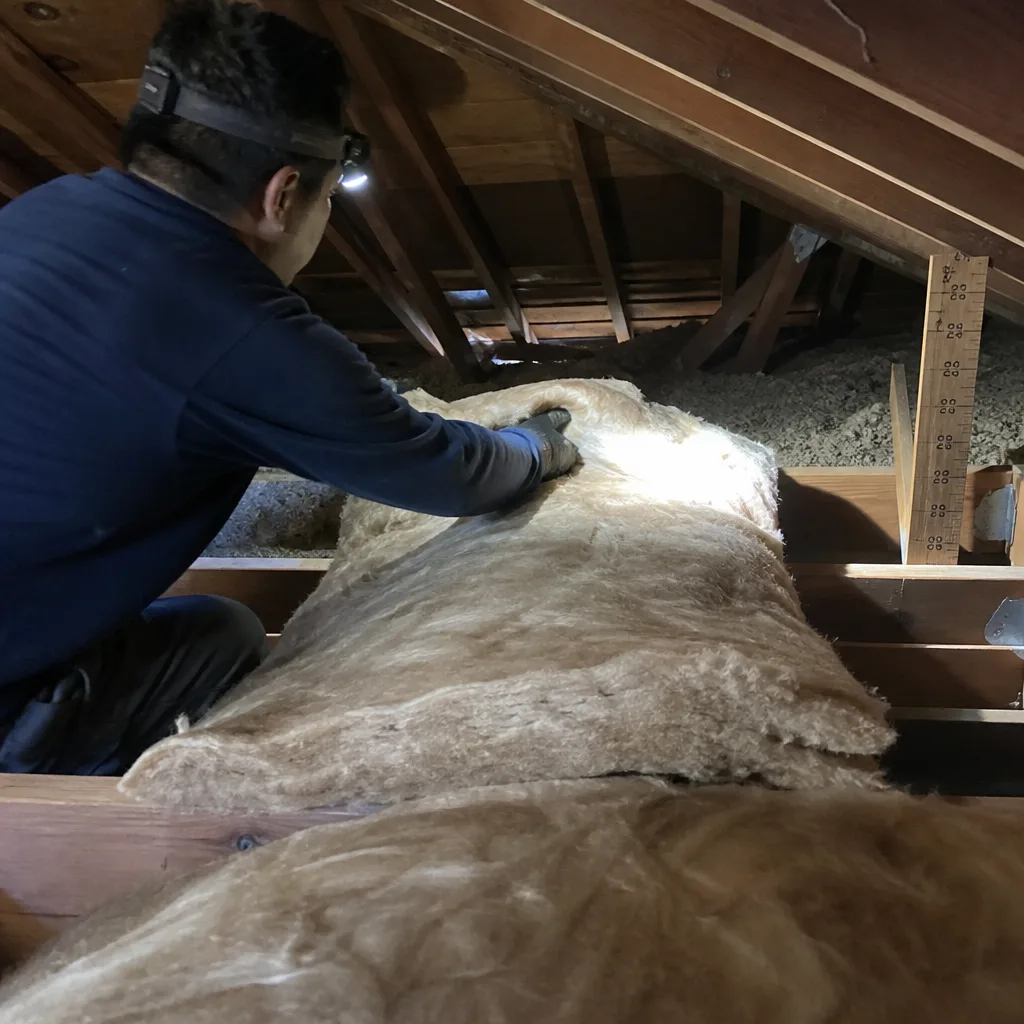
The most useful thing you can do before signing any estimate is understand what it actually includes. A written scope – line items, R-values, materials, warranty terms – is the only document that lets you compare two bids correctly. A quote that says “attic insulation, 1,400 sq ft” without specifying the material, the target R-value, whether air sealing is included, and what happens to the existing insulation is not a quote you can evaluate. Under Haven Standard Clause 1, every estimate Envelope Insulation Co. provides is a written scope with a flat price. Bring any competing written estimate to us and Wes will read it with you – that’s the free second opinion we offer on all written estimates.
- Do air sealing and insulation in one project. Scheduling them separately almost always costs more. The air sealing crew and the insulation crew are in the same attic; mobilizing twice means two access setups, two cleanup passes, and usually a higher combined price than doing both in one visit.
- Ask about California utility rebates. Southern California Edison and SoCalGas both run rebate programs for attic insulation in Torrance. The specific rebate amounts and eligibility rules change annually, but homes upgrading from below R-19 to R-38 or above have historically qualified. A good contractor will know the current program and can document the before/after R-values the utility needs to process the rebate.
- Check for federal tax credits. The Inflation Reduction Act’s 25C energy efficiency tax credit covers insulation improvements at 30 percent of the project cost, up to $1,200 per year. That credit applies to the insulation material cost – get an itemized receipt that separates material from labor, because the IRS requires it. We provide that documentation as part of the job record.
- Don’t pay for removal you don’t need. If your current insulation is in good condition – no moisture damage, no pest contamination, no fire or smoke exposure – a top-up rather than a full replacement is the right move. The blower-door test and a thermal camera pass through the attic before we start tells us which situation you’re actually in, not which one is easier to sell.
- Add a radiant barrier while the crew is already there. Scheduling radiant barrier installation as a standalone job in a Torrance home typically costs $900 to $1,800. Adding it to an attic insulation project that’s already in progress usually runs $400 to $700 less because the mobilization and attic-access cost is already absorbed.
For a written estimate on your specific home – with the attic square footage, existing conditions, and target R-value all priced out before anyone touches a thing – call Envelope Insulation Co. at (424) 704-9866. There’s no estimate fee and no obligation to proceed. The price you get in writing is the price you pay.
What the Job Actually Looks Like: Before and After
Before any insulation goes in on a Torrance home, the Envelope process starts with a blower-door test – a calibrated fan mounted in the front door frame that pressurizes the home to 50 Pascals and measures how much air is escaping through every gap in the building envelope. That number, expressed in CFM50 (cubic feet per minute at 50 Pascals), is the baseline. On a typical 1970s Torrance ranch home we measure a CFM50 somewhere between 3,500 and 6,000. After air sealing – top plates foamed, can lights capped with fire-rated boxes and sealed, plumbing and electrical penetrations sealed with fire-rated caulk – the same test typically reads 1,800 to 3,200. That reduction is the documented, measurable result of the air sealing work, and it’s why insulation performs at its rated R-value rather than underperforming due to air bypasses.
After the insulation is blown in, the crew takes photos of the finished depth at multiple measurement points across the attic floor – those photos go into the job record you receive when the crew leaves. The written scope, the blower-door readings, and the photo record are all included in what we hand you. No request needed; it’s standard on every job under the Haven Standard.
The 365-Day Done Right Promise covers every completed job: if something isn’t right within the first year, we return and correct it. That promise is in writing before anyone starts, not offered verbally after the invoice is paid.
FAQs: Attic Insulation Cost in Torrance, CA
How much does attic insulation cost in Torrance for an average home?
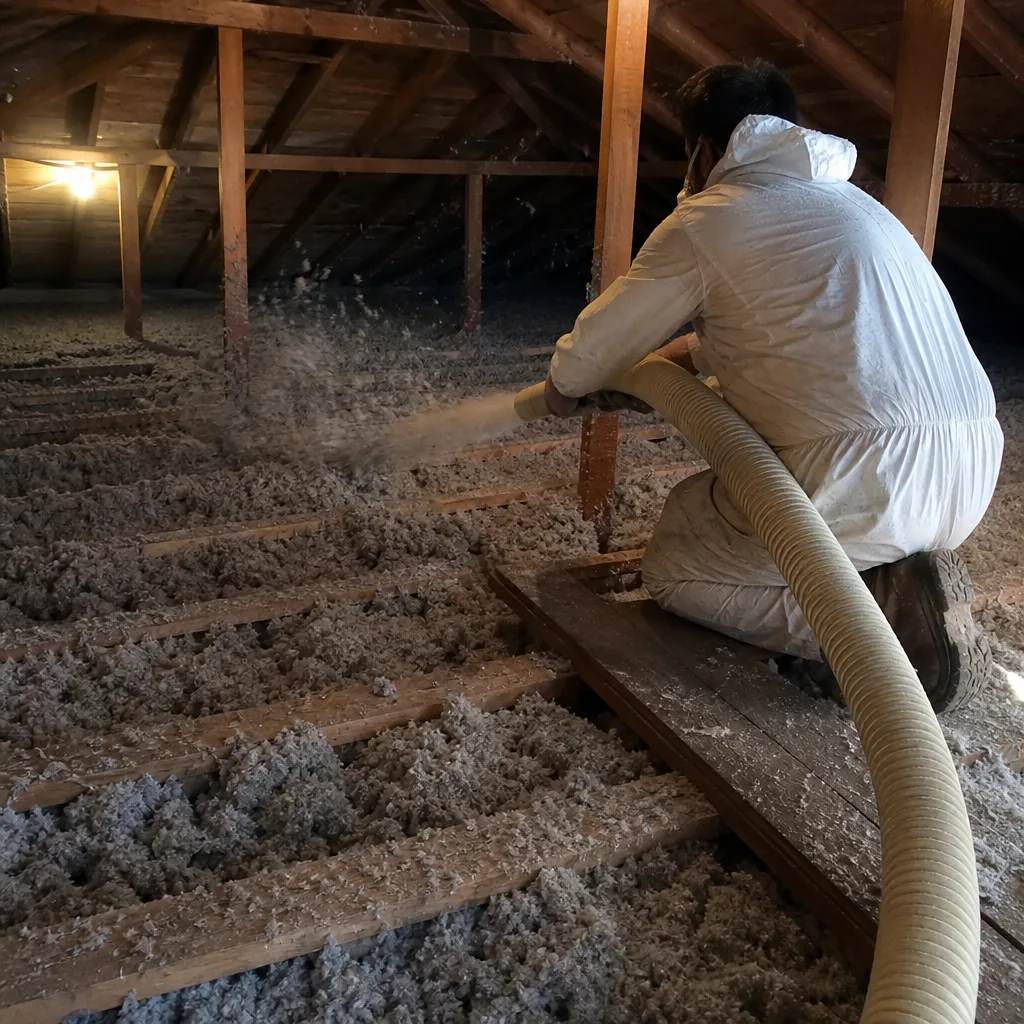
Most attic insulation projects in Torrance run between $1,800 and $4,200, with the middle of that range – around $2,400 to $3,000 – covering a 1,200 to 1,500 sq ft attic that needs air sealing plus blown-in insulation to R-49. Smaller Attic Insulation Top-Up jobs on attics that already have some insulation can come in closer to $950 to $1,600. Full replacement projects – removing old material, sealing the attic floor, and installing new blown-in – land between $2,400 and $4,800 for most Torrance homes. Get a written estimate for your specific attic; call (424) 704-9866 and the price you receive is the price you pay.
Is it worth upgrading from R-19 to R-49 attic insulation in Torrance?
Yes – and the math is more straightforward in Torrance than in colder climates, because the upgrade cost is lower while the cooling load savings are meaningful. Going from R-19 to R-49 on a 1,400 sq ft attic typically costs $800 to $1,400 in additional insulation material and labor. In a Torrance home running central air conditioning through a South Bay summer, the reduction in cooling load from a properly sealed and insulated attic commonly pays back that incremental cost in four to seven years. The California 25C tax credit at 30 percent reduces the out-of-pocket cost further. The right comparison isn’t R-19 vs. R-49 on a single-year energy bill – it’s R-19 vs. R-49 over the remaining useful life of your HVAC system, which is doing more work than it needs to every time the attic runs hot.
Does attic insulation in Torrance require a permit?
Most standalone attic insulation projects in Torrance – top-ups and like-for-like replacements on existing residential homes – do not require a building permit from the City of Torrance Building & Safety Division. However, if the insulation is part of a larger permitted remodel, or if the project involves changing the conditioned space configuration of the attic (converting an unconditioned attic to conditioned space with spray foam at the roof deck, for example), a permit is required and the work must meet current Title 24 Part 6 requirements. California Energy Code places Torrance in Climate Zone 7, which sets the minimum attic insulation R-value at R-38 for alterations and R-49 for new construction. We document materials and R-values on every job regardless, so the permit paperwork is straightforward if needed.
How long does attic insulation installation take in a Torrance home?
A standard blown-in insulation project on a Torrance home with a 1,000 to 1,500 sq ft attic takes one day from start to finish when air sealing and insulation are done in the same visit. Air sealing typically runs two to four hours depending on the number of penetrations and recessed lights; blown-in insulation follows and usually takes one to three hours for the actual installation. The job leaves the same day. Larger projects – homes above 2,000 sq ft, or jobs that include removal of contaminated material plus attic cleaning – may extend to two days. Your written scope will specify the scheduled timeline before work starts.
What’s included in Envelope Insulation Co.’s attic insulation price?
Every Envelope job starts with a written price that itemizes the full scope: materials (type, brand, R-value target), air sealing labor, insulation installation labor, and any removal or prep work. The price in writing is the price you pay – no additions at the invoice stage. Included on every completed job at no extra charge: a Documented Photo Record of the finished attic, before-and-after blower-door readings on applicable jobs, and coverage under the 365-Day Done Right Promise. The written warranty is delivered before the crew starts. If you have a written estimate from another contractor, Wes Okafor will read it with you under our Free Second Opinion offer so you know exactly what you’re comparing.
What insulation materials do you use for Torrance attics?
We source materials from Owens Corning, Johns Manville, Knauf, Rockwool, CertainTeed, Icynene, Demilec, and GreenFiber – the choice of material is determined by the job conditions and your performance goals, not by which product carries the highest margin. For most Torrance attic floors, blown-in cellulose (GreenFiber) or blown-in fiberglass (Owens Corning AttiCat or Johns Manville) are the right tools. Spray foam – Icynene or Demilec open-cell, or closed-cell products from the same suppliers – is specified when the project calls for an unvented attic assembly or when air sealing needs to occur at the roof deck rather than the attic floor. We don’t have a proprietary product or a preferred supplier arrangement that influences what we recommend for your home.
Key Takeaways
- Attic insulation in Torrance runs $1,800 to $4,200 for most single-story homes, with full replacement projects (remove, seal, insulate) landing between $2,400 and $4,800.
- Air sealing – of top plates, can lights, and penetrations – should always come before insulation. A quote that omits it will underperform.
- Torrance sits in California Climate Zone 7. Current Title 24 minimums are R-38 for alterations and R-49 for full replacements and new construction.
- The California 25C federal tax credit covers 30 percent of insulation material costs, up to $1,200 per year. Southern California Edison and SoCalGas also offer utility rebates – ask for documentation that separates material from labor.
- A blower-door test before and after air sealing gives you a measured number – not an estimate – of how much your home’s air leakage changed.
- Every Envelope Insulation Co. job includes a written price before any work starts, a Documented Photo Record, and 365-Day Done Right Promise coverage. No exceptions.
- Wes Okafor offers a free second opinion on any written estimate. Bring a competing quote and we’ll read it with you before you decide anything.
Envelope Insulation Co. has sealed and insulated more than 9,000 homes since 2016, every one with a written price before work started and a documented record when the crew left. If you’d like to know what your specific Torrance attic costs to seal and insulate correctly, the starting point is a written estimate – not a ballpark on a phone call. To schedule yours, call (424) 704-9866. A live person answers; no voicemail loop, no callback window measured in business days.
You can learn more about how we approach every project on our home page, or read through the full service details on our Attic Insulation in Torrance page.
Written by Wes Okafor, Owner at Envelope Insulation Co. (operating as Topside Attic Insulation Torrance), serving Torrance, CA since 2016.
Pricing reflects the Torrance market as of 2026. Attic Insulation Near Me in Torrance, CA - Topside Attic Insulation Torrance - offers free estimates – call (424) 704-9866.
What Our Customers Say
"Crawl space encapsulation done properly. Photographs of the vapour barrier at every seam, and the damp smell in the hallway is gone."
- Ainsley P."They photographed rodent damage in the old insulation that we had no idea about, and priced the exclusion work separately so we could decide."
- Harriet N."They air-sealed the attic floor before insulating and showed me the blower-door number before and after. The upstairs is finally the same temperature as downstairs."
- Marisol D.