

Fast, Reliable Spray Foam Insulation Across Manhattan Beach
Spray foam insulation in Manhattan Beach runs $4.50-$7.50 per board foot for open-cell and $6.50-$10.50 for closed-cell, with most whole-home retrofits falling between $3,800 and $8,500. We’re typically on-site in Manhattan Beach within 90 minutes of your call, and we dispatch crews from our Los Angeles office who know the local building stock - from the 1950s cottages off South Camino Real to the new builds rising near The Strand. Call (424) 704-9866 for a written price before any work starts.
Why Topside Attic Insulation Torrance Is Manhattan Beach’s Preferred Spray Foam Insulation Company
We’ve sealed and insulated homes in Manhattan Beach since we opened under The Haven Standard in 2016, and the pattern we see is distinct: this city’s insulation problems aren’t primarily about keeping heat in or out. They’re about stopping salt-laden air and marine-layer moisture from degrading the building envelope. Our Manhattan Beach customers come to us after they’ve already had one contractor blow insulation over an unsealed attic floor, or after open-cell foam installed too thin on an oceanfront wall cavity failed within two June Gloom cycles.
Our reviews from Manhattan Beach homeowners consistently cite two things: the before-and-after blower-door numbers we publish on every job, and the documented photo record they walk away with. One customer in El Nido told us she chose us because we were the only contractor who could explain why her 1962 cottage needed closed-cell in the exterior walls but could use open-cell in the roof deck. That’s the kind of block-by-block specification we bring to Manhattan Beach.
Calls are answered by a live person 24/7. No voicemail loops. No callback windows measured in business days.
Our Spray Foam Insulation Services in Manhattan Beach
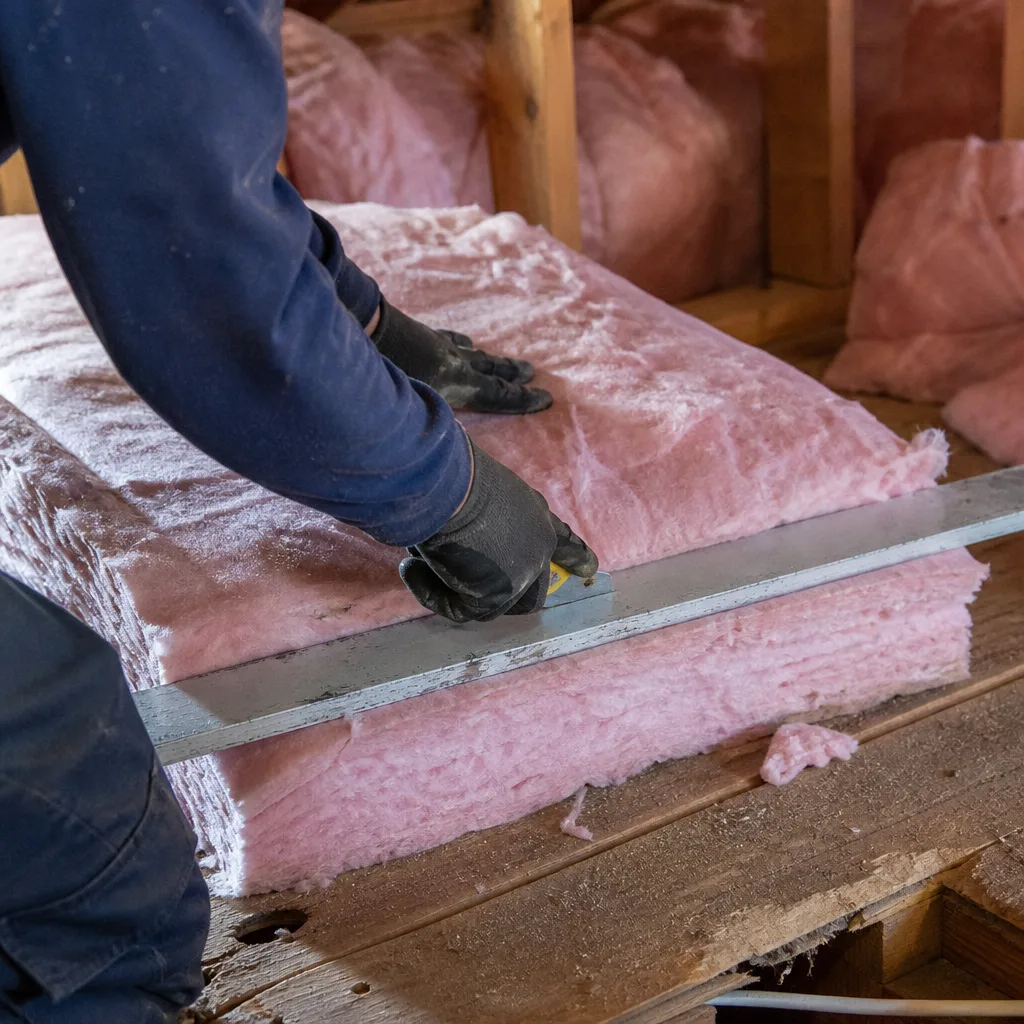
Closed-Cell Spray Foam
Closed-cell spray foam is our most-specified product for Manhattan Beach homes within a few blocks of The Strand and Manhattan Beach Pier. At 2.0 lbs per cubic foot, it acts as its own vapor retarder and air barrier, which matters enormously where salt-laden air degrades kraft-paper facings and corrodes metal stud flanges in exterior walls. We source closed-cell from Johns Manville and Demilec, and we never install it over an unsealed substrate - our Spray Foam Insulation crews complete air sealing of top plates, can lights, and penetrations first. In a 2023 job on a rebuild near World Way, our blower-door test read 3,800 CFM50 before sealing and 1,900 after - a 50% reduction the homeowner could verify in writing.
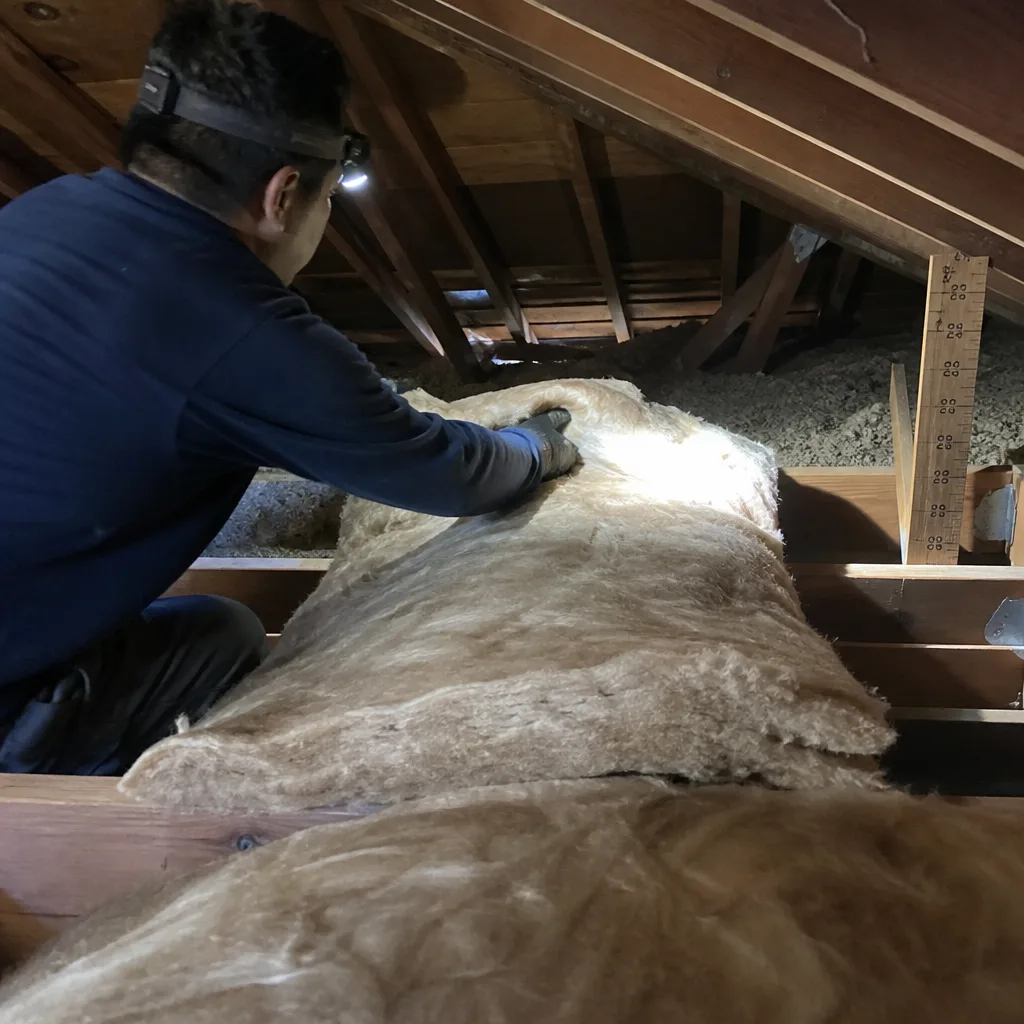
Open-Cell Spray Foam
Open-cell foam at 0.5 lbs per cubic foot works well in Manhattan Beach roof decks and interior partition walls where vapor drive is manageable and the primary goal is sound attenuation and thermal performance. It’s not our first choice for ocean-facing exterior walls in ZIP 90254, where direct salt-air exposure creates conditions it can’t handle long-term. Inland, in neighborhoods like Del Aire where the marine layer brings humidity without that corrosive salt spray, open-cell can perform adequately in walls if paired with a separate vapor retarder and installed to full depth. We specify Knauf open-cell for these applications and document the installed depth with photos.
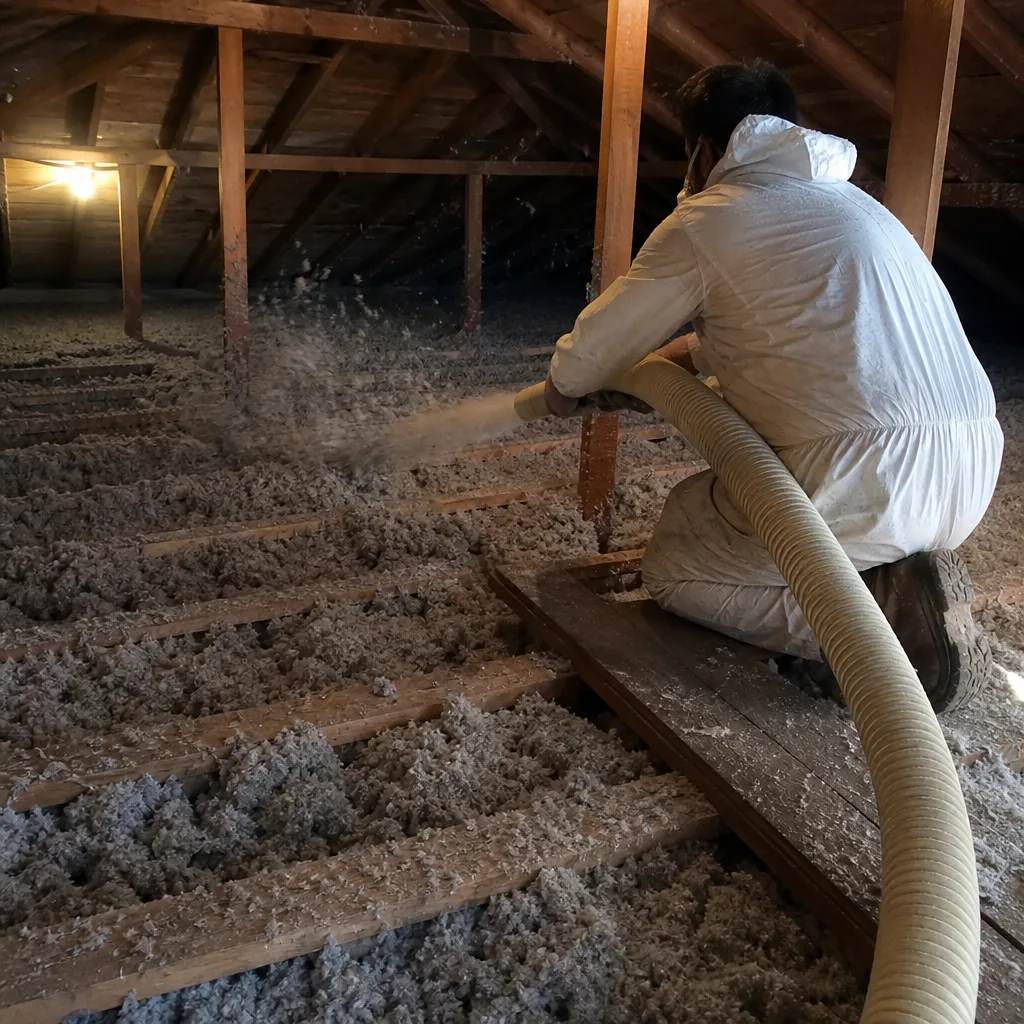
Rim Joist Spray Foam
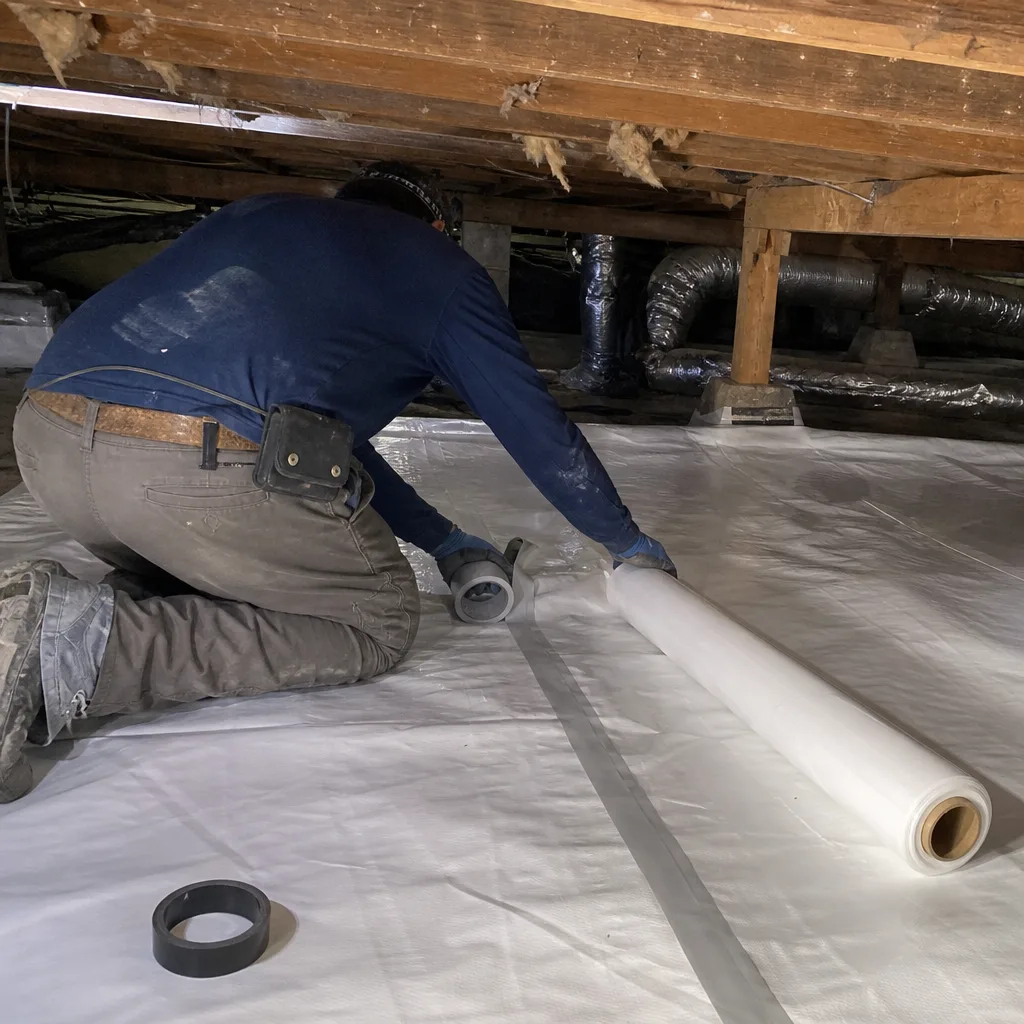
Manhattan Beach’s older postwar bungalows - many in the 90304 and 90305 ZIP codes - were built with balloon framing or minimal rim joist detailing that leaves the floor-to-wall junction cold and leaky. Rim joist spray foam seals this critical junction, preventing the stack effect that pulls marine-layer air into crawl spaces and basements. In a 2024 job on a 1956 cottage near Lair Port, we found the original rim joists completely unsealed, with visible moisture staining on the subfloor above. Closed-cell rim joist foam stopped the air leakage; the blower-door number dropped 18% from that single intervention.
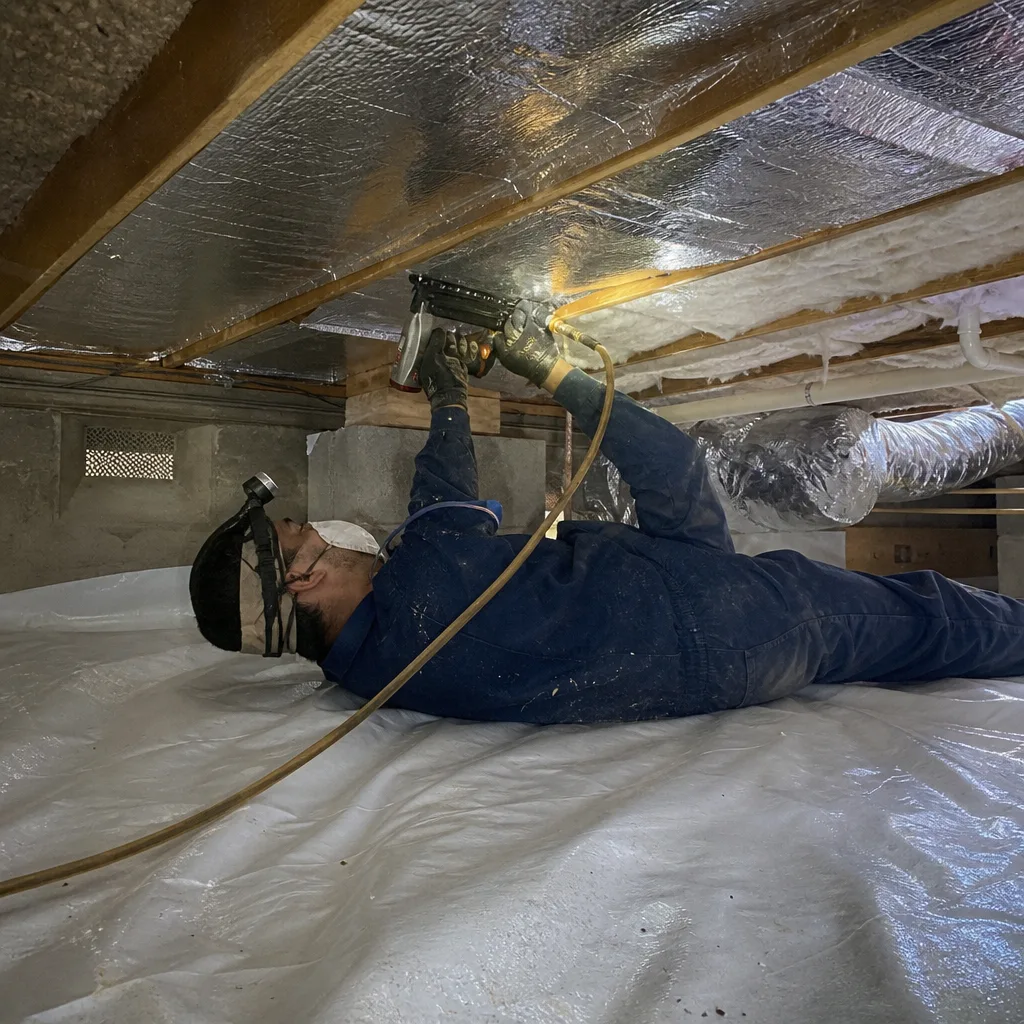
Garage Ceiling Spray Foam
Garage ceiling spray foam in Manhattan Beach serves two purposes: thermal separation from conditioned space above, and fire-rated enclosure where the garage shares a ceiling with living space. Many of the city’s 1960s-era homes have uninsulated garage ceilings with nothing but drywall between the garage and the room above. We spray closed-cell foam to achieve both the air barrier and the thermal performance, then document the installed assembly with photos for the homeowner’s record. Code compliance for garage-living separations is strict in Los Angeles County, and our written scope specifies the exact product and thickness before any work starts.
Spray Foam Roof Deck
Spray foam applied directly to the roof deck - rather than the attic floor - converts the attic to conditioned space, which is why many homeowners pair it with our Attic Insulation in Manhattan Beach on new high-performance builds. This approach eliminates the thermal bypasses that occur when HVAC ducts run through a vented attic, and it brings mechanical equipment inside the thermal envelope. We use CertainTeed and Icynene products for roof deck applications, installed to a minimum of 5.5 inches of open-cell or 3 inches of closed-cell, depending on the assembly. Every roof deck job includes a blower-door test to verify that the attic isn’t pulling conditioned air from the house below.
What happens when you call
- 1
A real person answersNo phone trees - you reach a local pro.
- 2
You get an upfront price rangeHonest numbers before anyone is dispatched.
- 3
A background-checked tech heads outLicensed & insured, dispatched right away.
- 4
You approve before work beginsNothing starts until you say go.
Trusted Brands We Service in Manhattan Beach
We stock and install spray foam systems from Johns Manville, Knauf, and CertainTeed, with no proprietary product lock-in. This matters for Manhattan Beach homeowners because rebuilds and high-end retrofits often come with architect-specified materials, and we can match the spec without substituting an unfamiliar product. Our Los Angeles office maintains local inventory of the two-part closed-cell formulations most commonly specified for marine-climate applications, which keeps lead times short for Manhattan Beach jobs. We also carry Rockwool mineral wool for assemblies where spray foam isn’t appropriate - a combination we use regularly in mixed-remediation projects.
Common Spray Foam Insulation Problems We See in Manhattan Beach Homes
- Kraft-paper facing failure near the ocean. Homes within two or three blocks of The Strand and Manhattan Beach Pier routinely show disintegrated kraft-paper facings on original fiberglass batts, causing the insulation to sag and creating unsealed cavities where salt air circulates. We remove this failed material and specify closed-cell foam or mineral wool for replacement.
- Corroded metal stud flanges in exterior walls. Where closed-cell spray foam wasn’t used in original construction or prior retrofit, metal stud flanges in ocean-facing walls corrode from salt-air exposure. This creates thermal bridging and moisture intrusion behind drywall that homeowners often mistake for a roof leak.
- Open-cell foam installed too thin on oceanfront cavities. Contractors unfamiliar with Manhattan Beach’s climate zone sometimes specify open-cell foam at inadequate depth for exterior walls. The result: vapor drive through the foam during June Gloom cycles, condensation on the interior face of the sheathing, and mold within two to four years.
- Insulation blown over unsealed attic floors. This is the most common error we correct in Manhattan Beach’s older stock. Blown-in fiberglass or cellulose over a leaky attic floor doesn’t stop the stack effect; it just filters the air moving through. Our protocol seals first, then insulates - always.
Pricing for Spray Foam Insulation in Manhattan Beach, CA
Most spray foam jobs in Manhattan Beach fall within these ranges:
- Open-cell spray foam: $4.50-$7.50 per board foot
- Closed-cell spray foam: $6.50-$10.50 per board foot
- Rim joist sealing (typical crawl space or basement): $1,800-$3,400
- Garage ceiling spray foam: $2,200-$4,500
- Roof deck spray foam (complete attic conversion): $5,500-$11,000
- Whole-home exterior wall retrofit (typical 1,800 sq ft): $7,500-$14,000
What moves a Manhattan Beach job to the higher end: balloon-framed cavities that need dense-pack preparation before foam can be applied; extensive air sealing of top plates and penetrations in homes with complex rooflines; and oceanfront locations where closed-cell is non-negotiable for every exterior surface. What moves it lower: new construction with open framing, roof-deck-only jobs, and interior partition walls where open-cell at standard depth is sufficient. We provide a written price before any work starts - Haven Standard Clause 1 - and we offer a Free Second Opinion on any written estimate you’ve already received. Call (424) 704-9866 for an exact quote; estimates are free.
We Also Serve Cities Near Manhattan Beach
Our crews work throughout the South Bay and Westside, including Spray Foam Insulation in Manhattan Beach proper plus Lawndale, Hawthorne, Redondo Beach, and Inglewood. Dispatch and scheduling are coordinated from our Los Angeles office, with local crews serving each area.
Serving Manhattan Beach, CA - Our Local Coverage Area
We’re based in the Manhattan Beach area and know this community well. Use the map below to see our service coverage - if you’re nearby, we can almost certainly help.
FAQs - Spray Foam Insulation in Manhattan Beach
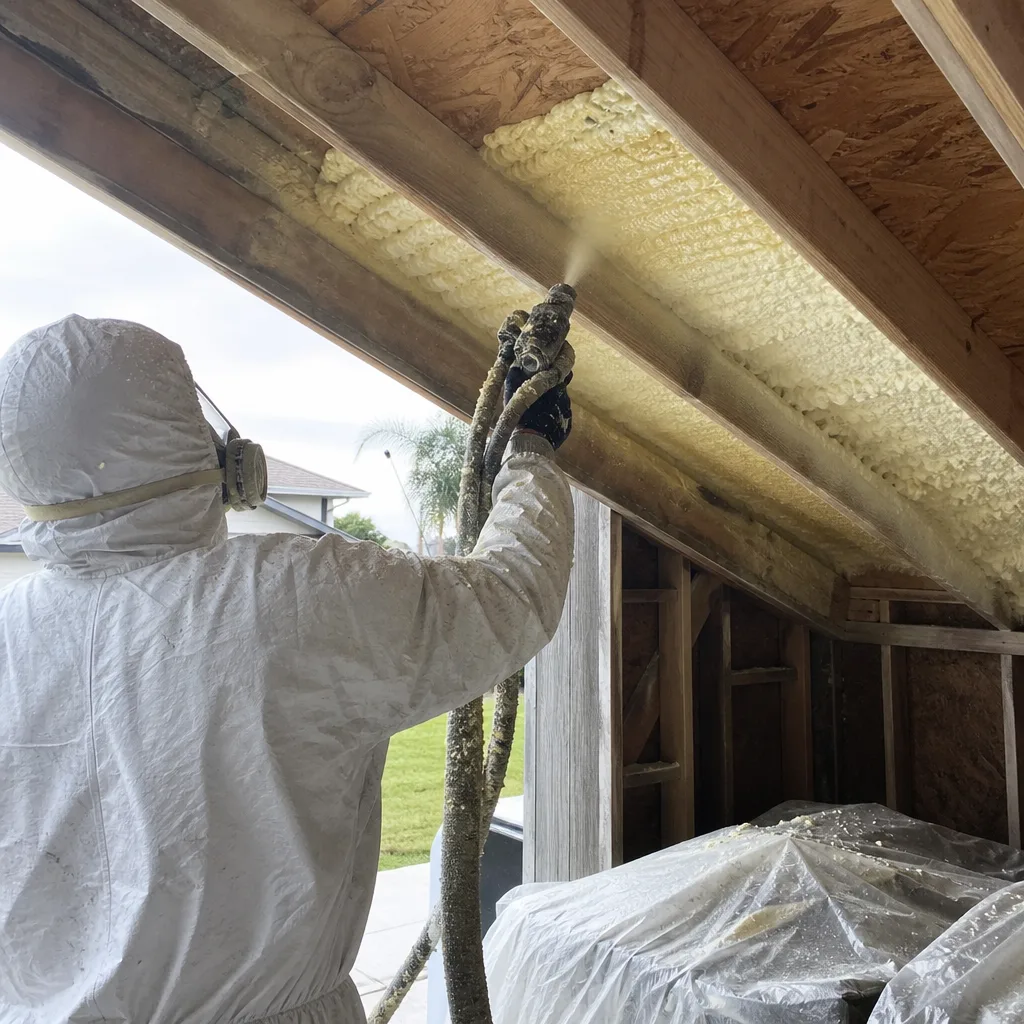
Closed-cell spray foam is preferred because it acts as its own vapor retarder and resists the salt-laden air that degrades other materials within two to three blocks of The Strand. Open-cell foam absorbs moisture and provides no vapor barrier, making it unsuitable for ocean-facing exterior walls where direct salt spray occurs. For a written spec tailored to your Manhattan Beach location, call (424) 704-9866 - estimates are free.
The persistent marine layer keeps coastal Manhattan Beach humid and mild, which suppresses heating and cooling loads but makes moisture resistance the dominant performance factor. Spray foam assemblies that aren’t properly specified for this climate - particularly open-cell foam installed too thin - permit vapor drive that leads to condensation and mold behind drywall within a few years. Our blower-door testing verifies that the air sealing is complete before we consider the job done.
Yes, but balloon-framed cavities require preparation: we dense-pack or block the bottom of each stud bay to prevent foam from dropping into the wall, then spray to the specified depth with continuous monitoring. In Del Aire, we stripped original unrated glass-batt insulation from a 1954 beach cottage’s exterior walls and found corroded metal stud flanges behind the drywall. We removed the failed material, treated the framing, and installed closed-cell spray foam to seal the salt-air-exposed cavities. The homeowner now has a tight, mold-resistant enclosure that stands up to the marine layer.
Closed-cell spray foam at 2.0 to 3.0 inches is typically best for garage ceilings, providing both thermal separation and air-barrier performance where the garage shares a ceiling with conditioned space above. Many Manhattan Beach homes from the 1950s-1960s have completely uninsulated garage ceilings, and code compliance for fire-rated separations is strict in Los Angeles County. Our written scope specifies the exact product and thickness before installation begins.
Yes, in most Manhattan Beach applications open-cell foam requires a separate vapor retarder because the foam itself is vapor-permeable. This is especially critical in exterior walls and rim joists where the marine layer creates sustained humidity. We specify the vapor retarder type - kraft-faced, smart membrane, or polyethylene - in our written scope based on the assembly and location. For roof decks and interior partitions where moisture drive is minimal, a separate retarder may not be required. Call (424) 704-9866 and we’ll read your existing plans or estimate with you.
Written by Wes Okafor, Owner at Envelope Insulation Co., serving Manhattan Beach since 2016 under The Haven Standard.